
As Clint Eastwood celebrates his 95th birthday, a motivating Clint Eastwood early film and TV roles retrospective shines a spotlight on the often-overlooked beginnings of a Hollywood icon. Before becoming a legend as both actor and director, Eastwood built his career through a mix of minor movie appearances and memorable supporting roles, paving the way for his enduring impact on cinema.
How Eastwood’s Career Began Before Fame
Long before his award-winning days, Clint Eastwood was already making notable steps toward stardom. At age 29, he nabbed the lead role of Rowdy Yates on the TV western Rawhide, but his road to success was defined by years of smaller roles and persistence. Early on, Eastwood co-starred in a variety of films spanning multiple genres, often taking small or uncredited parts, including an appearance where his character fought a giant mutated spider—demonstrating his willingness to embrace any role as he honed his craft.
Noteworthy Early Film Roles That Helped Shape a Legend
Even in lesser-known parts during the 1950s, Eastwood started to gather valuable on-screen experience. Each role, whether big or small, played a key part in establishing the foundation that would let him eventually break through as a star.
Eastwood’s Onscreen Debut: “Revenge of the Creature” (1955)
This unusual sequel to Creature from the Black Lagoon holds a unique place in film history as Clint Eastwood’s official big-screen debut. Playing a lab technician named Jennings, Eastwood had a small part, but the film is significant as the starting point for his legendary movie career.
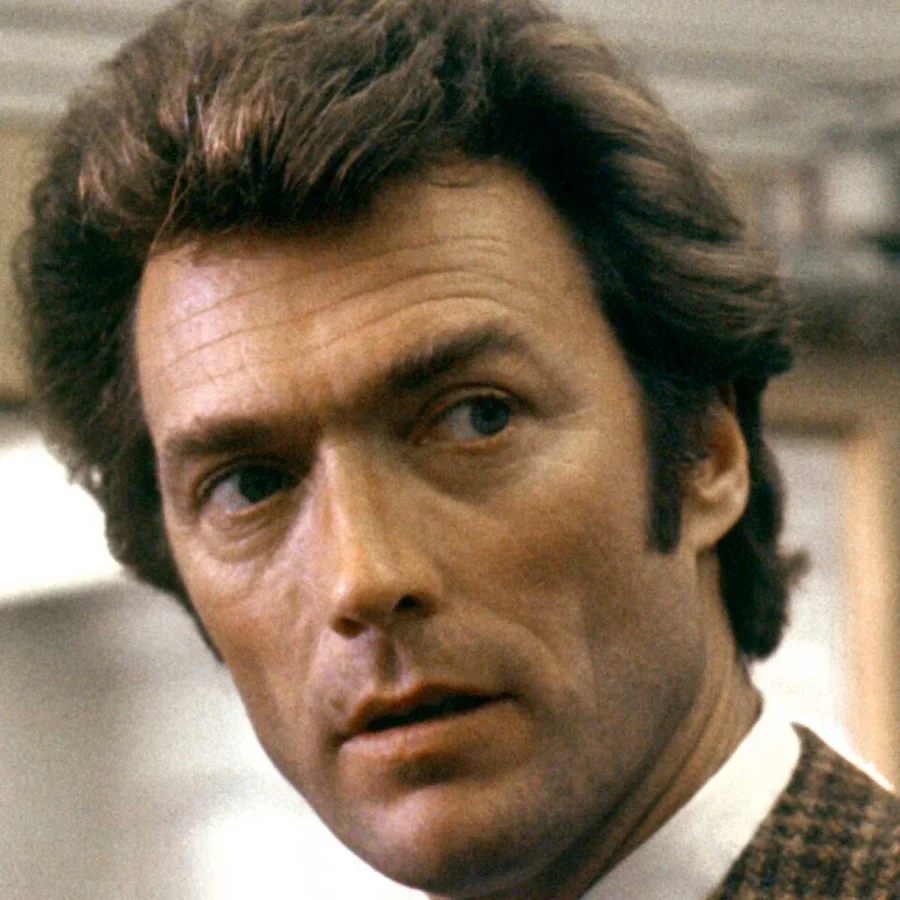
Comic Surprises: “Francis in the Navy” (1955)
In one of his more noticeable early roles, Eastwood appeared as Jonesey in the comedic Francis the Talking Mule series. This project afforded him much-needed exposure and recognition at Universal, the studio with which he was under contract. The lighthearted film gave Eastwood further opportunity to showcase his growing screen presence to audiences and studio decision-makers alike.
Period Drama Appearances: “Lady Godiva” (1955)
While not credited and appearing only as a background fighter, Eastwood’s appearance in Lady Godiva of Coventry illustrated Universal’s tendency to place contract players in a range of productions. Although his role was minor, being cast in a historical drama helped him gain further experience with diverse settings and genres.
A Monster Movie Classic: “Tarantula” (1955)
Returning to creature features, Eastwood played a jet squadron leader charged with defending a remote desert town from a giant, mutated spider. Though much of his face was hidden by a flight mask, his character’s pivotal role in the climax, which involved helping to defeat the monster, foreshadowed future heroic action roles more closely associated with Eastwood. “Tarantula” endures as a cult favorite among 1950s monster movies and represents an early example of Eastwood’s action-oriented side.
Western Roots: “Star in the Dust” (1956)
In this classic Western drama, Eastwood appeared briefly as Tom, a ranch hand involved in the tense events surrounding a sheriff facing off with the townspeople before an execution. Though the role was minor, it stood out because it involved one of his earliest fight scenes—a key moment for an actor who would become identified with the genre. Wrestling fans might also recognize the film’s influence on WWE’s Cody Rhodes, who once adopted the nickname Stardust in tribute to the movie’s title.
Stepping Into Comedy-Western: “The First Traveling Saleslady” (1956)
Blending comedy with Western motifs, this film featured Eastwood as Lieutenant Jack Rice, sharing the screen with Ginger Rogers as a corset saleswoman and Carol Channing as her celebrity client. While not the star, Eastwood displayed a different kind of charm and romantic appeal, which contrasted the hard-edged, stoic persona that would later define his image in Hollywood.
Entering the War Drama Arena: “Lafayette Escadrille” (1958)
Eastwood took on a brief, uncredited role as pilot George Moseley in a World War I drama focusing on American volunteers flying with the French during the conflict. Directed by William A. Wellman, a seasoned pilot himself, this film marked the tail end of Warner Bros.’ era of using young contract players like Eastwood, as the old studio system began to dissolve. Despite the minor nature of his part, the experience added another layer to Eastwood’s varied early portfolio.
One of His Least Favorite Films: “Ambush at Cimarron Pass” (1958)
This Western, in which Eastwood portrayed Confederate soldier Keith Williams, provided his most substantial supporting film role to date. Though Eastwood himself described the project as
probably the lousiest Western ever made,
– Clint Eastwood, Actor
the movie was a significant step because it allowed him to play a conflicted, complex character during a perilous journey through Apache territory. The film served as another important rung in the ladder toward his later superstardom and iconic status in Western cinema.
Transitioning to Television Success
Following these film appearances, Eastwood found broader recognition on television. He achieved widespread fame starring as Rowdy Yates in Rawhide, demonstrating his fit with the American Western genre. Eastwood’s TV stints during the 1950s and 1960s included guest spots on shows like Wagon Train, The Rifleman, and Sugarfoot, further cementing his future status as a legendary cowboy figure. These roles mirrored the golden age of TV Westerns, which was a defining era for both the actor and American entertainment.
Why These Roles Still Matter at 95
Reflecting on Clint Eastwood’s journey provides valuable insight into how persistence, versatility, and a willingness to embrace every available opportunity helped him climb from small, often uncredited parts to leading roles loved by audiences worldwide. Each step along the way—whether as a ranch hand, pilot, or heroic jet squadron leader—demonstrates the importance of resilience and taking chances in show business. As Eastwood turns 95, his early career remains a powerful reminder that even legends start with humble beginnings, and every experience can set the stage for greatness.
