
Guillermo del Toro’s long-awaited passion project has taken shape as an emotional and gothic reimagining of Frankenstein, revealed in a striking new teaser for Netflix. This upcoming adaptation, referred to by del Toro as a dream decades in the making, will spotlight the deep tragedy and existential themes of Mary Shelley’s classic, putting an intense focus on the relationship between creator and creation as its emotional core.
The new trailer for what is described as Guillermo del Toro’s emotional gothic Frankenstein adaptation on Netflix offers audiences a first glimpse of the director’s vision, blending ornate set designs and poetic visuals with a sense of melancholy distinct from pure horror. The anticipation surrounding this release is unmistakable, with praise for the trailer’s artistry rising swiftly across social media and at major industry events.
Del Toro Realizes a Lifelong Dream with Netflix’s Frankenstein
For years, Guillermo del Toro has spoken of bringing Frankenstein to life in his own style, inspired by an enduring personal connection to Mary Shelley’s novel. As both a devoted admirer of Shelley and an award-winning filmmaker, del Toro often credits Shelley with providing creative motivation during challenging periods and even acknowledged her influence in his 2018 BAFTA Award acceptance speech for Best Director. When self-doubt crept in and others labeled his aspirations “impossible,” del Toro found strength thinking of Shelley, whom he described as an almost familial figure.
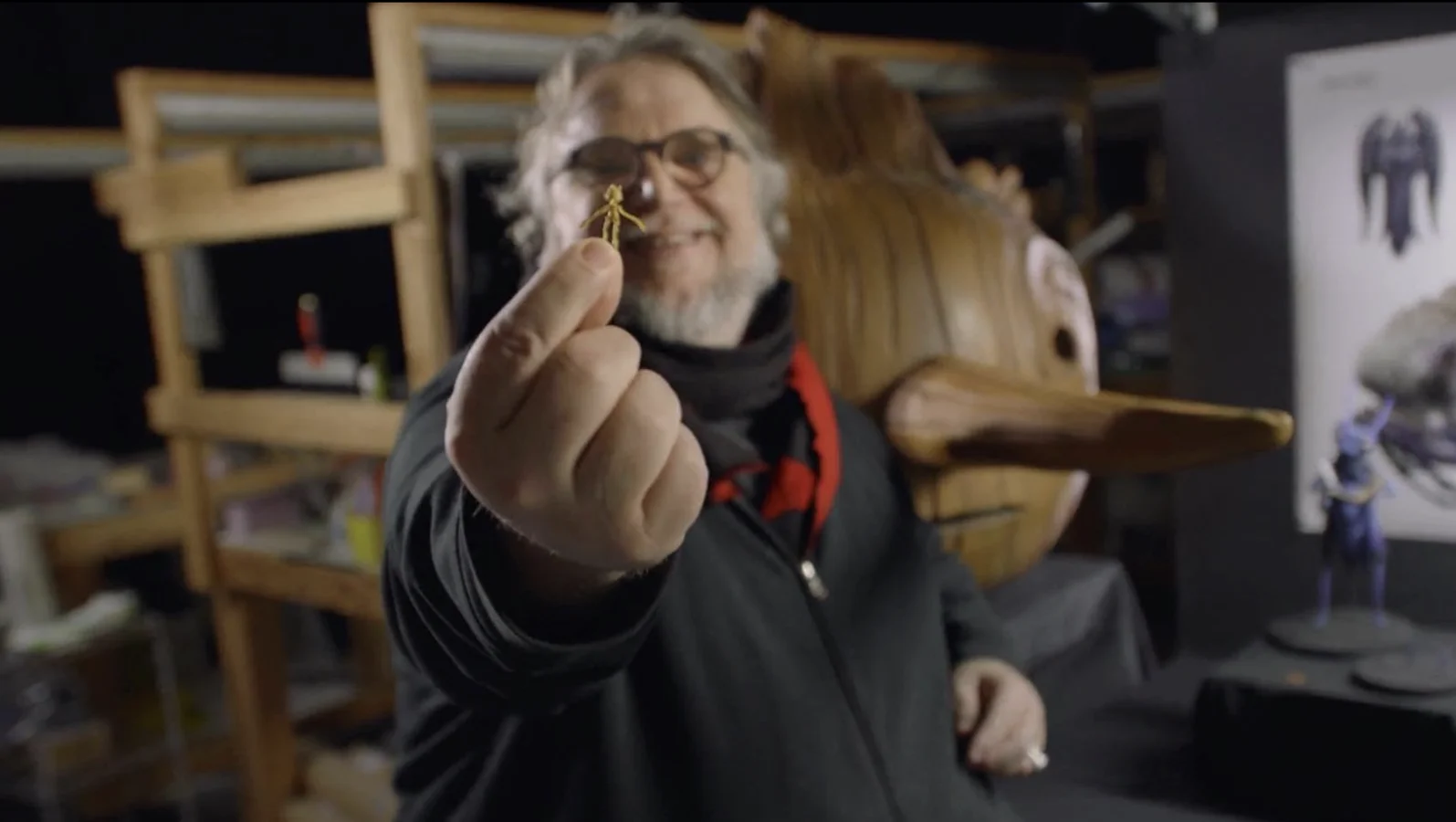
The Netflix Tudum event marked a major milestone, as fans finally witnessed the first official teaser for the new adaptation. For del Toro, this wasn’t just another horror film—it was a deeply emotional narrative built on decades of artistic yearning. The trailer opens with Oscar Isaac in the iconic role of Victor Frankenstein, introducing his invention to a shocked audience, as viewers are poised to explore the motivations, obsessions, and consequences behind his ambition.
What manner of creature is that? What manner of devil made him?
– Audience Member
This line, heard in the trailer, hints at the public’s reaction to Frankenstein’s creation and at the uneasy moral territory the story covers. Rather than exposing the Monster directly, the teaser keeps his full appearance veiled, feeding curiosity while drawing attention to the thematic weight of the moment—the inevitability of Victor Frankenstein’s fateful act and the consequences that follow.
A Tragic and Existential Vision Instead of Conventional Horror
Del Toro made it clear, both in interviews and public appearances like the Cannes Film Festival, that his approach would depart from traditional horror. Instead, the film immerses viewers in an atmosphere charged with tragedy and existential questions. When asked whether his version would feature truly frightening scenes, del Toro responded emphatically:
I’m not doing a horror movie — ever. I’m not trying to do that,
– Guillermo del Toro, Director (via Variety)
This stance signals a shift from previous screen adaptations of Frankenstein, which have often emphasized visceral scares and the creature’s uncanny image. Rather than fixating on the Monster’s physicality or horror-driven suspense, del Toro’s interpretation explores the loneliness and longing that underlie the Monster’s existence, as well as Frankenstein’s flawed aspirations and emotional failures. The teaser even includes the poignant phrase: “Only monsters play God,” crystallizing the existential struggle at the heart of this version.
Exploring the Father-Son Dynamic at the Story’s Heart
Central to del Toro’s adaptation is the complex relationship between creator and creation, casting Frankenstein and his Monster in roles reminiscent of a flawed parent and neglected child. Drawing directly from the novel but moving beyond horror conventions, the film delves into profound questions of responsibility, rejection, and the yearning for connection. Following his act of creation, Victor Frankenstein recoils from the being he brings to life, leaving his intelligent and sensitive creation desperately seeking love from both its maker and humanity at large.
This emotional exploration is something few film versions have attempted in depth, and del Toro has underlined his intent repeatedly—this is an “emotional story” rather than a parade of frightful imagery. The narrative’s focus on the Monster’s pain and longing, along with Victor’s downward spiral, marks a standout reinterpretation of Mary Shelley’s intentions, promising to resonate with viewers sensitive to themes of abandonment and the price of unchecked ambition.
Anticipation Builds for an Unmissable Premiere
The initial trailer, though just two minutes long, has convinced many fans and critics alike of the film’s promise and artistry. Enthusiasts have already expressed hope for a theatrical run in addition to the streaming premiere, and del Toro has confirmed there will be an opportunity to see his vision on the big screen. The film’s lavish style and immersive emotionality reflect del Toro’s trademark approach, inviting audiences to experience not just a story of monsters and scientists, but a nuanced portrayal of yearning, despair, and the search for meaning—timeless themes that have lingered in popular imagination for over two centuries.
Guillermo del Toro’s Frankenstein is slated to debut on Netflix in November 2025, joining a long legacy of works inspired by Shelley’s literature. As excitement mounts for this new adaptation, viewers and critics alike anticipate a profound update to an enduring tale, further establishing del Toro as a master of gothic storytelling.
