
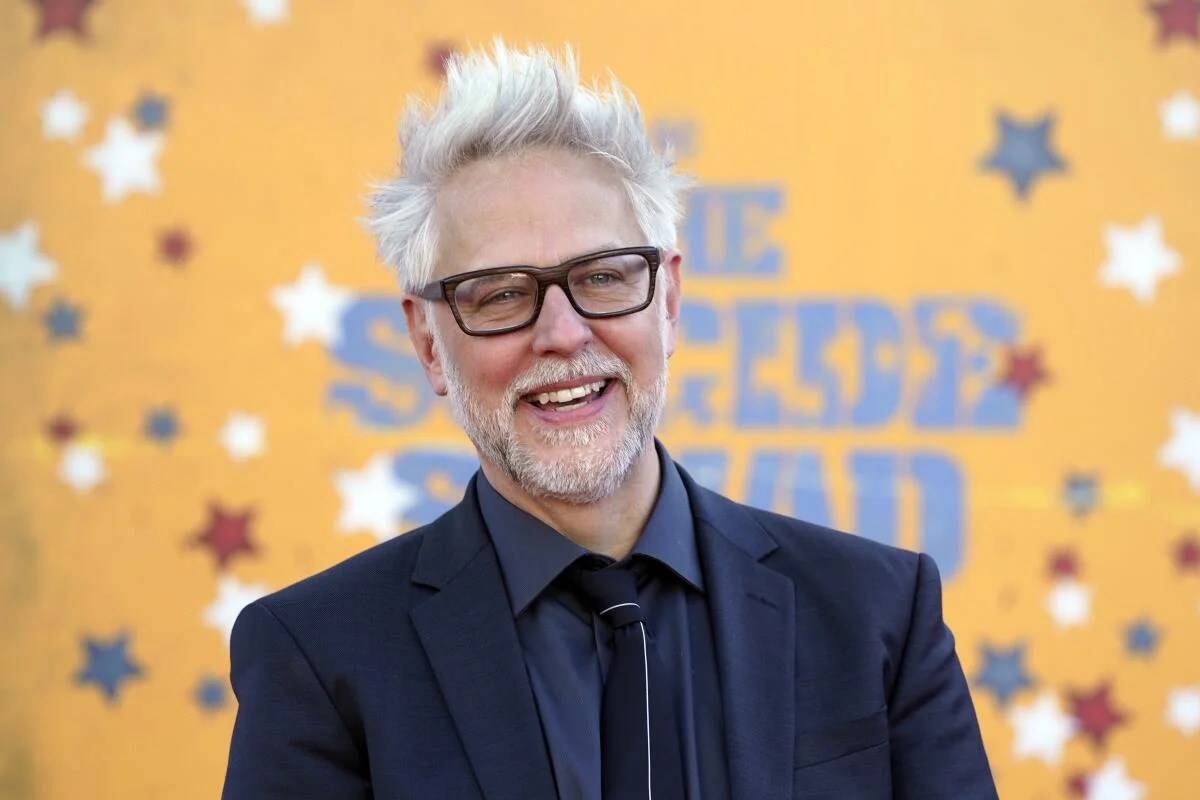
Long before audiences met Star-Lord and his ragtag companions in Marvel’s cinematic universe, the series Farscape was already redefining how space operas could blend misfit drama and irreverence. James Gunn‘s Guardians of the Galaxy inspired by Farscape is more than a passing similarity; it’s a testament to Farscape’s deep influence on shaping emotionally chaotic heroes and complex, dysfunctional teams who manage to save the day in spite of themselves.
Daring and unpredictable, Farscape ran from 1999 to 2003, unfolding across galaxies and genres, with astronaut John Crichton, played by Ben Browder, cast into a wild cosmos full of living spacecraft, unpredictably untrustworthy rebels, and power-hungry, tentacled villains. Produced in part by the Jim Henson Company, it gave voice—sometimes literally—to a bizarre crew that included the likes of Aeryn Sun (portrayed by Claudia Black), the exiled and uncompromising alien soldier; Rygel, a greedy, levitating puppet monarch voiced by Jonathan Hardy; and D’Argo, the fierce, tentacle-bearded warrior, played with tempestuous energy by Anthony Simcoe. The show’s crew was as far from a traditional hero unit as possible, yet they captured loyalty from viewers desperate for unpredictable adventure and authentic emotional stakes.
Rewriting the Rules of the Found Family in Science Fiction
Farscape took the notion of the ‘found family’ and subverted its usual charm, presenting a group that was always teetering on the edge of collapse, bound by necessity more than warm affection. Beneath their banter and slapstick, paranoia simmered, resentment festered, and the line between betrayal and loyalty was razor thin. The ambiguous, often painful romance between John Crichton and Aeryn Sun, for instance, was marked by lingering grief and unresolved trauma—at times she is resurrected but impossible to recognize, leaving Crichton straining to pretend life is unchanged.
This is uncannily echoed in the relationships James Gunn threads through Guardians of the Galaxy. Peter Quill, the emotionally adrift outsider played by Chris Pratt, and Gamora, whose walls are steel-clad by Zoe Saldana’s performance, create a dynamic that’s as fraught and uncertain as anything seen aboard Farscape’s living ship. Comic relief characters also reflect this pattern: Rocket Raccoon, voiced by Bradley Cooper, masks pain with barbed jokes and aggression, reminiscent of Rygel’s emotional armor; Drax, embodied by Dave Bautista, channels D’Argo’s unresolved rage and mourning. Farscape paved the way for these layered, imperfect teams, making the mechanics of grief, anger, and accidental connection the very heart of the ensemble rather than a simple narrative hurdle.
Ordinary, Flawed, and Reluctant Leaders: A Blueprint for Modern Sci-Fi Heroes
Where so many science fiction protagonists are marked as the chosen ones, Farscape flipped the archetype through John Crichton’s confusion and hapless improvisation. He wasn’t ready for galactic calamity; thrust into chaos, he was more likely to end up injured than victorious at first. Yet it’s these flaws, and his growing weariness, that make him a compelling central figure—not unlike Peter Quill, who possesses little more than a cassette player, an aching loss, and stubborn courage.
Audiences see these echoes as both Crichton and Quill stumble into heroism—reluctant, battered, and sometimes their own worst enemies. Farscape’s willingness to let its protagonist collapse under strain, to howl in pain at neural specters and inner demons instead of conquering them smoothly, set a precedent that Guardians would eagerly follow. Neither series sought traditional saviors; instead, they reveled in leaders whose qualifications were questionable but whose impact felt real. The risk and messiness became vital components, drawing viewers into stories populated not by destined champions but by those doing their best while teetering on the edge.
The Power of Absurdity and Heartbreak in Space
Farscape’s outlandish energy—beginning with fart jokes, puppet monarchs, and alien food fights—was not for cheap laughs alone. Showrunner Rockne S. O’Bannon leveraged this surface-level absurdity to lower defenses, inviting viewers in with humor before revealing the show’s profound undercurrents of heartache. From the outset, audiences were met with chaos: John Crichton catapulted through a wormhole, forced into an intergalactic jailbreak, and arguing with sentient flora and puppet-like crewmates. Yet, as episodes progressed, the silliness gave way to raw vulnerability and psychic strain. Characters confronted deep pain—D’Argo’s grief for his lost son, Rygel’s flashes of genuine sorrow amidst his avarice, and Aeryn’s moments of painful emotional honesty despite her training to shut such feelings away.
Farscape’s distinctive blend of slapstick and sorrow provided the template that James Gunn would employ to transform the Guardians’ world from joke-heavy caper to emotionally immersive epic. The humor is never a shield from pain for long; sorrow finds its way through, making the moments of connection all the more powerful when they break through sarcasm and spectacle. Relying on absurdity as the gateway to trust, Farscape fostered a sense of loyalty between audience and crew, ensuring that when trauma hit, the blow was never softened but always earned. Ultimately, its emotional peaks landed precisely because the show permitted its characters—puppets, aliens, and humans alike—to utterly unravel, only to stumble back into each other’s lives when it mattered most.
The Lasting Legacy: Farscape’s Unsung Role in Shaping Today’s Space Adventure Narratives
The DNA of Farscape runs right through James Gunn’s Guardians of the Galaxy, changing what audiences expect from their science fiction underdogs. Its messy, found family dynamic, paired with unglamorous leaders and the tightrope walk between farce and heartbreak, provided a model for emotional storytelling amid cosmic spectacle. Without Farscape’s willingness to embrace chaos over convention, to let monsters cry and heroes fail, Guardians of the Galaxy might have blended into the background rather than standing apart as a defining genre blockbuster. Its impact ensures that even the wildest space stories now allow their characters space to err, ache, and earn unlikely love—making fans care about chaos in ways that continue to echo across the stars.
