
Morgan Freeman‘s iconic role in thriller masterpiece Se7en stands out as a defining moment in his expansive career, capturing both audiences and critics when the film premiered in 1995. With its exploration of morality set against a relentless investigation, Se7en became a landmark for both the thriller genre and for Freeman, who cemented his status as a film legend through his complex portrayal of Detective William Somerset.
Morgan Freeman’s Rise and the Road to Se7en
Morgan Freeman’s reputation as a powerhouse actor was established well before Se7en hit theaters. After making his mark on the New York City theater scene, Freeman transitioned to Hollywood, where he undertook a variety of notable roles in films like Driving Miss Daisy, The Shawshank Redemption, Batman Begins, and Invictus. Known for lending a dignified air to even the most conflicted of characters, Freeman proved his talent across genres. However, it was his performance in Se7en that broke new ground, pairing him with director David Fincher for a story that would define a cultural moment in cinema.
The Script That Shaped a Classic
Every film begins with a screenplay, but Se7en’s script proved to be exceptional, guiding the film’s chilling tone and unforgettable climax. Penned by Andrew Kevin Walker while living in New York during the 1980s, the script was initially crafted with the hope of being sold, though not without persistent efforts to alter its grim ending by various prospective directors. When David Fincher was approached with the project, he was adamant about retaining the original, haunting conclusion that would become the film’s trademark. Morgan Freeman himself responded instantly to the screenplay’s power and was immediately compelled to sign on, remarking,
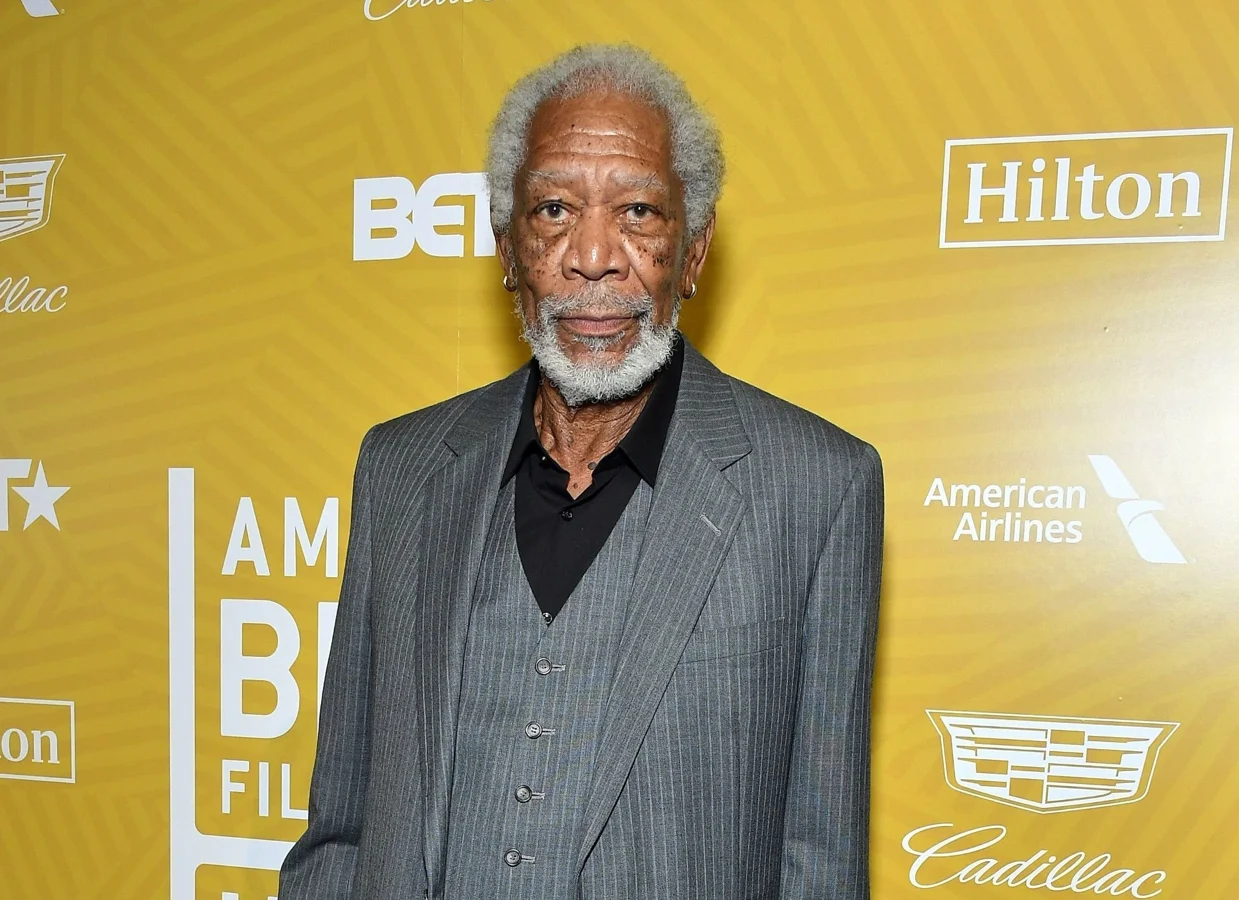
“I put the script down, and I was ready to go to set.”
-Morgan Freeman, Actor
David Fincher’s Vision and Partnership with Andrew Kevin Walker
David Fincher’s partnership with the script laid the foundation for Se7en’s atmospheric intensity. After his directorial debut with Alien 3, Fincher’s distinct visual style and meticulous attention to detail found a perfect outlet in Se7en. The collaborative environment that Fincher created was especially appreciated by screenwriter Andrew Kevin Walker, who reflected on their working relationship, stating,
“it’s a rare thing to have the kind of inclusive collaboration that I had with Fincher.”
-Andrew Kevin Walker, Screenwriter
This partnership not only set Se7en apart but also established hallmarks of Fincher’s career, influencing subsequent works like The Game, Fight Club, Panic Room, Zodiac, and, decades later, Gone Girl. Fincher’s signature touch imbued Se7en with a gritty, immersive quality, cementing his place among the most influential directors in modern cinema.
William Somerset: The Heart of the Story
Central to Se7en’s depth and moral resonance is Freeman’s portrayal of Detective Lieutenant William Somerset. Addressing the film in an interview, Freeman identified the driving force behind the narrative:
“Somerset was the driving force of this story.”
-Morgan Freeman, Actor
Freeman’s Somerset is a veteran detective one week from retirement, tasked with training his youthful and spirited partner, Detective David Mills, played by <a href="https://www.thecinemachina.com/tag/brad-pitt/”>Brad Pitt. With Somerset’s world-weariness and deep-seated skepticism clashing with Mills’s fresh idealism, their evolving dynamic shapes the arc of the investigation. The discovery of the city‘s serial killings—each rooted in the seven deadly sins—requires not only criminological skill, but also emotional fortitude. Freeman’s nuanced performance grounds the film, making Somerset the linchpin of both the plot and the film’s philosophical underpinnings.
Delving into Moral Ambiguity
One of Se7en’s most compelling features is its exploration of moral complexity, presenting characters grappling with ethical ambiguity. Somerset, shaped by decades of police work, recognizes the corrosive effect brought on by confronting monstrosity every day. The unnamed city’s decay, resembling a New York of the past, mirrors Somerset’s internal battle—caught between upholding justice and feeling suffocated by apathy.
The story’s antagonist, John Doe (played by Kevin Spacey), acts as a warped reflection of these existential struggles. Se7en’s script amplifies the disturbing resonance of Doe’s philosophy, especially in a key moment when Doe is transported alongside the detectives to reveal his final plan. Addressing Mills and Somerset, Doe delivers a searing observation:
“Only in a world this sh—y could you even try to say these were innocent people and keep a straight face. But that’s the point. We see a deadly sin on every street corner, in every home, and we tolerate it.”
-John Doe (Kevin Spacey), Character
This sentiment directly echoes Somerset’s own frustrations, drawing a chilling line between the hunters and the hunted in a world seemingly devoid of redemption.
Layered Literary and Artistic References
Se7en’s narrative depth is enriched by numerous literary allusions, which echo throughout its plot and character dynamics. Somerset and Mills eventually locate their suspect by tracking reading habits—utilizing an FBI database monitoring borrowing patterns for books commonly read by religious fanatics, a clever device that channels their investigation into cerebral as well as physical territory. Titles such as Dante’s Inferno and John Milton’s Paradise Lost feature prominently, reflecting John Doe’s mission to mete out punishment for sin and giving the story an almost mythic dimension.
One vital moment comes when Somerset uncovers a note left behind by Doe containing the line,
“Long is the way and hard that out of hell leads up to the light,”
a phrase borrowed from Milton’s epic and originally sourced from Virgil’s Aeneid. Similarly, Somerset’s later use of an Ernest Hemingway quote in the film’s final lines—
“The world is a fine place and worth fighting for,”
—serves as a bittersweet conclusion to his character’s struggle, acknowledging the world’s darkness yet still affirming something worth preserving. Such layered references lend additional resonance to the story’s bleakness and underscore its cultural significance.
The Ensemble Cast’s Enduring Impact
Se7en’s strength is deeply rooted in its masterful ensemble performances. Morgan Freeman and Brad Pitt display a dynamic chemistry, bringing their detectives to life through sharp contrasts in style and temperament. Gwyneth Paltrow provides a haunting portrayal of Tracy Mills, whose fate becomes central to the film’s tragic denouement.
In addition to the leads, the film benefits from strong supporting performances: Leland Orser’s harrowing depiction of a traumatized victim stands out, while R. Lee Ermey brings gravitas to his role as the commanding police captain overseeing Somerset and Mills. The casting process considered major Hollywood stars for key roles, with Denzel Washington among those who declined participation due to the script’s darkness, sharing,
“I was like, man, it’s just too much.”
-Denzel Washington, Actor
Ultimately, the selected cast struck the perfect balance, with Pitt breaking out of his conventional “golden boy” image, Freeman drawing audiences into Somerset’s complex psyche, and Spacey delivering one of cinema’s most unforgettable antagonists. The result is a film where every character, major and minor, leaves a lasting impression.
The Innovative Opening Sequence
Right from its first frames, Se7en distinguishes itself with an inventive and unsettling opening credits sequence. Rather than a routine title roll, the film slowly unveils John Doe’s world using ominous visuals intercut with fragments of his cryptic writings, plunging viewers into the movie’s dark atmosphere long before the plot is revealed. This visual introduction, masterminded by title designer Kyle Cooper, plays to the strengths of Fincher’s vision and immediately signals that Se7en is a psychological experience.
The music further amplifies the effect, with a distorted instrumental version of “Closer” by Nine Inch Nails setting the mood. Trent Reznor, who would later collaborate with Fincher on future projects, crafted a soundscape that perfectly matches the film’s brooding intensity. Although the sequence omits Reznor’s lyrics, it draws upon memorable motifs, such as the repeated phrase “just like an animal,” establishing deep links between human nature and the primal sins the film revolves around. In this collaboration, the sonic and visual design serve as a potent prologue to the harrowing story that follows.
The Chilling Enigma of John Doe
John Doe, as portrayed by Kevin Spacey, stands apart as one of the genre’s most enigmatic antagonists. His influence permeates the film’s psychological landscape even before he appears on screen, shaping events and drawing the protagonists ever closer toward his intended conclusion. Doe’s methodical insertion into the case—at one point posing as a crime scene photographer to remain undetected—demonstrates his obsession with control, careful planning, and unpredictability.
The cold reveal of his identity is punctuated by his decision to turn himself in, bloodstained and composed, orchestrating the final phase of his carefully designed narrative. He boasts of the legacy his actions will leave, stating,
“What I’ve done is going to be puzzled over and studied and followed… forever.”
-John Doe (Kevin Spacey), Character
This self-assured declaration encapsulates both the horror and fascination that drive the film’s momentum, as investigators and viewers alike confront the deeply unsettling questions that Se7en raises about evil, justice, and consequence.
The Enduring Cultural Aftermath
Despite initial skepticism surrounding its bleak tone, Se7en quickly proved its lasting appeal and commercial viability. David Fincher’s determination to safeguard the integrity of Walker’s vision transformed the movie into a touchstone for the crime-thriller genre, influencing countless films that followed. Se7en’s continued popularity was underscored by a 30th anniversary theatrical rerelease in January 2025, demonstrating its long-term cultural resonance and wide-reaching fan base.
Preparing the film for this new milestone, Fincher revisited the original in painstaking detail, using up-to-date restoration technologies to enhance the viewing experience. In the process, he addressed technical imperfections that had persisted for three decades, a process he wryly described as
“the most thrillingly stupid fix in the world.”
-David Fincher, Director
By embracing digital tools to stabilize old footage without compromising the performances, Fincher reinforced the value of meticulous craftsmanship, ensuring that Se7en remains just as compelling for new audiences as it was upon release. Its enduring legacy reaffirms both the story’s power and the vision of those who brought it to life.
A Climax That Redefined Genre Boundaries
No discussion of Se7en is complete without referring to its shocking final act, in which the antagonist’s plan comes to chilling fruition. The infamous delivery of “the box” serves as the moment where narrative, performance, and directorial vision reach their brutal apex. The script’s uncompromising conclusion, which saw John Doe orchestrate the murder of Tracy Mills to prompt her husband’s uncontrollable rage, almost did not survive studio intervention, with Fincher having to fight to preserve its integrity.
The scene’s most quoted line, uttered by Detective Mills, has become an echoing refrain in pop culture: “What’s in the box?” -Brad Pitt, Actor
In those final, fraught moments, Mills succumbs to wrath—completing the killer’s design by enacting the last deadly sin. Doe’s manipulation wrests victory from the protagonists, leaving Mills a broken man and Somerset to question whether it is still possible to stand up for what’s right in a world so deeply marked by cruelty. The use of Hemingway’s words in the conclusion expresses Somerset’s ultimate sentiment: the struggle is fraught, but the world is still worth fighting for.
How Se7en Reshaped Crime Thrillers
Se7en’s success unleashed a wave of similarly themed films, marking a departure from conventional crime stories toward darker, more morally ambiguous territory. Its combination of taut storytelling, provocative themes, and unflinching performances by actors like Morgan Freeman, Brad Pitt, and Kevin Spacey paved the way for more sophisticated explorations of violence, justice, and the human condition in mainstream cinema.
Morgan Freeman’s iconic role in thriller masterpiece Se7en set a precedent for future generations of actors and filmmakers, establishing new possibilities for depth and complexity in cinematic protagonists. The film’s influence is still seen today in stories that blur the line between right and wrong, forcing viewers to grapple with uncomfortable truths—and forever positioning Se7en and Freeman’s Somerset as enduring symbols of the genre’s risk and reward.
