
At the ATX TV Festival in Austin, Texas, Tony Gilroy addressed the controversy surrounding several character deaths in the second season of Andor, highlighting the emotional impact and storytelling intent behind these decisions. With Tony Gilroy on controversial Andor character death decisions as a focal point, the creators confronted difficult reactions from both critics and fans, who debated the narrative outcomes crafted for beloved figures like Cinta.
Audience Reaction to Shocking Deaths in Andor’s Final Season
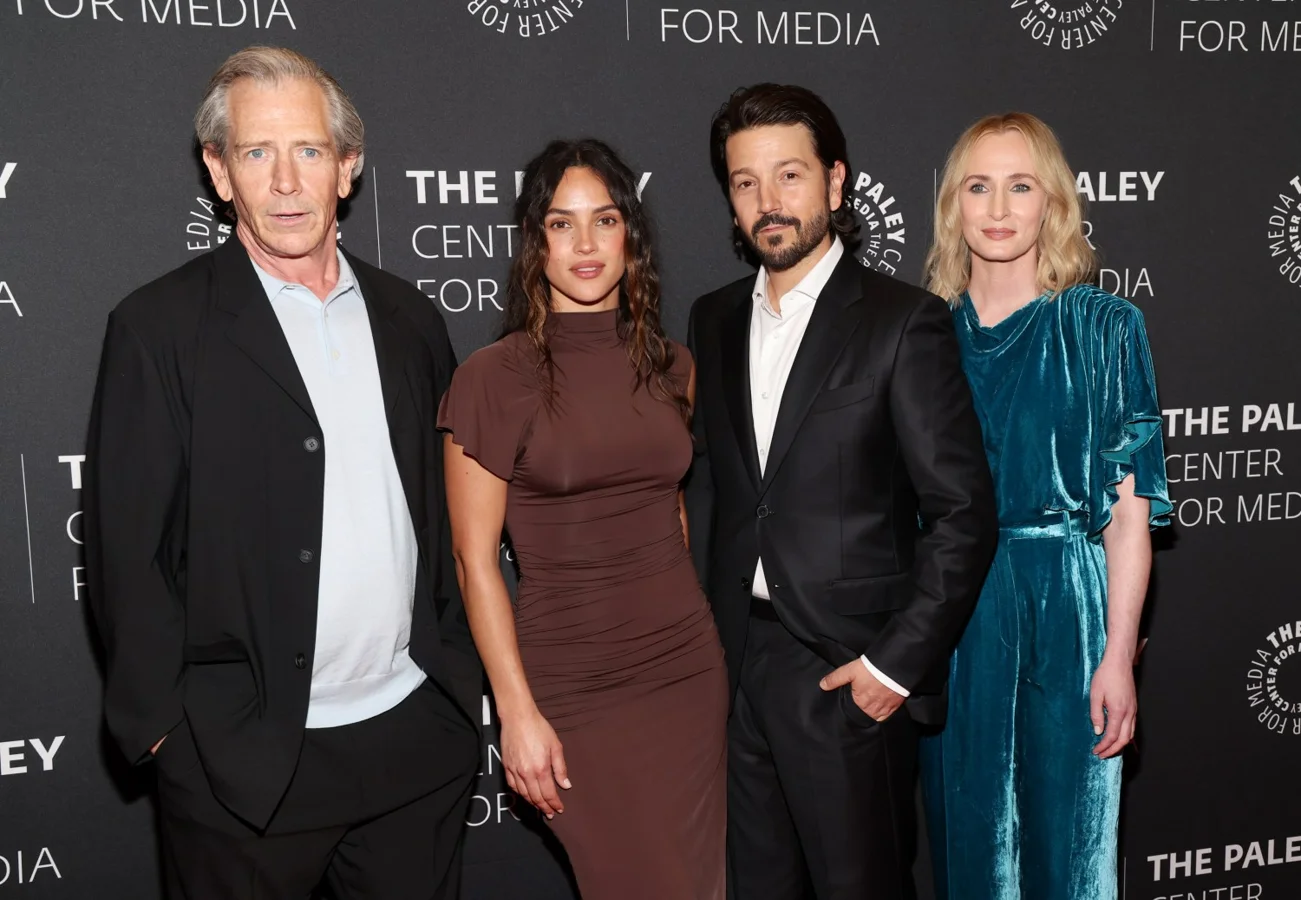
Andor, acclaimed as a standout on streaming platforms and a predicted contender for multiple Emmy nominations, has earned praise for its compelling narrative but sparked intense discussion for its approach to character mortality. As the conclusion to a story set before Rogue One, the show’s second and final season left audiences keenly aware that only Cassian (portrayed by Diego Luna) and Mon Mothma (Genevieve O’Reilly) were likely to survive, setting up an atmosphere fraught with uncertainty and emotional stakes.
For many fans, the most divisive moment arrived with the on-screen demise of Cinta, played by Varada Sethu, in episode six. In a twist that devastated viewers, Cinta was killed when a fellow Rebel, not authorized to have a blaster, accidentally shot her. This loss was further intensified because it occurred just after Cinta and Vel (Faye Marsay), her partner, made hopeful plans for the future, touching heavily on themes of sacrifice and doomed love.
Creative Decisions and the “Bury Your Gays” Criticism
The depiction of Cinta’s death faced backlash from some who saw it as reinforcing the “Bury Your Gays” trope—a narrative pattern in which LGBTQIA+ characters meet untimely and often tragic ends. However, Tony Gilroy, the series’ creator, firmly rejected this categorization, reflecting on the genuine storytelling intentions behind the event. He emphasized the realistic treatment of Cinta and Vel’s relationship and his commitment to approaching all characters with authenticity, regardless of their identities.
Gilroy expressed his perspective on the matter, stating,
“Because we got all this credit in the first season of ‘It’s a natural relationship,’ and we were like, ‘Yeah, it’s just a relationship; we’re not gonna make a big deal out of it.’ So then, if you don’t make a big deal out of it and treat it like it’s a normal thing and kill whoever you want to kill, then that’s a problem all of a sudden. What more natural way to treat it than to treat it like a real thing? I’m not gonna start to socially engineer my characters for some chat room.”
– Tony Gilroy, Creator
Shaping Andor’s Tone: High Stakes and Tragic Sacrifice
Beau Willimon, co-writer on the series, further contextualized the storytelling approach. He noted that the looming threat to nearly every character formed a core part of the show‘s tension, with constant reminders throughout the series that survival was never guaranteed. The writers aimed to evoke genuine emotion in viewers, sometimes choosing outcomes that struck hardest, while staying true to the narrative’s bleak and turbulent reality.
Willimon explained,
“The fundamentality was that almost everyone’s gonna die, and that’s broadcast everywhere in the show. Almost every episode, someone’s saying, ‘Well, we’re never gonna make it.’ We’re always thinking about cost. There is the fact that people did connect emotionally to that relationship. And there is a part of that storyteller cabinet that is like, ‘What will hurt people the most?’ That’s just any relationship. I mean, we hurt you later with Bix and Cassian. Every day, you feel the pain and the cost and the sacrifice. That’s what this show is about.”
– Beau Willimon, Writer
Behind the Choice: The Impact of Cinta’s Fate
Detailing the narrative decisions surrounding Cinta’s death, Willimon shared that the method of her demise was meant to feel painfully avoidable, as friendly fire rather than a heroic sacrifice. This element, he said, was designed to underline the chaotic reality of rebellion and make the loss resonate with a deeper sense of frustration and grief among viewers. The moment in which Vel addresses the accidental shooter, highlighting Cinta’s profound significance, marked an especially emotional turning point in the story.
Willimon added further,
“There were multiple versions of what that heist would be,”
and continued,
“But the friendly fire thing was quite early on. One, you’re upset. After that, people will see that this relationship is not going to see its way through. Two, you go, ‘Dammit, friendly fire? That’s the way this badass goes? That stupid and dumb?’ But it’s not stupid and dumb. Because what does Vel say to the guy who pulled the trigger at the end? ‘She was a miracle. You will spend the rest of your life trying to pay for this moment, to earn your keep.’”
– Beau Willimon, Writer
He concluded on the randomness and nobility that characterize loss in the series, saying,
“And what you realize is that it is an extremely noble death. If you’re not willing to die by friendly fire or get in an accident and be run over, or it’s in a hail of gunfire in a big battle — they’re all equal. Because really, the choice you made from the beginning is ‘I’m willing to sacrifice myself, whatever form that takes.’ This shit is gonna happen. You don’t know which way you’re going to go; you just know you ARE gonna go.”
– Beau Willimon, Writer
The Broader Significance of Andor’s Emotional Storytelling
The debate over Cinta’s death captures the core intent behind Andor’s narrative decisions—prompting viewers to grapple with loss, sacrifice, and the unpredictable costs of rebellion. By involving personalities like Tony Gilroy, Beau Willimon, actors Diego Luna and Genevieve O’Reilly, and exploring complex relationships such as that of Cinta and Vel, the show deepens its emotional resonance with both audiences and critics.
As season two concludes, the team’s willingness to embrace uncomfortable storytelling choices has set Andor apart in the genre, earning both ardent support and critical scrutiny. The emotional turbulence felt by fans, whether through the fate of Bix, Cassian, or Cinta, reinforces the show‘s stark message about sacrifice. Looking ahead, these choices may continue to inspire debate over what constitutes fairness and realism within genre storytelling, underlining Andor’s lasting influence on modern television drama.
