
Colin Farrell discusses playing the Penguin and working with Danny DeVito as they reflect on their parallel journeys of embodying Batman’s notorious villain. Farrell, who took on the role of Oz Cobb for Matt Reeves’ 2022 film The Batman and its TV spinoff The Penguin, shares his experience alongside DeVito, who became Oswald Cobblepot in Tim Burton’s 1992 Batman Returns. Their conversation, set decades after DeVito’s stint in Gotham, explores the challenges and quirks behind transforming into the Penguin, while drawing connections between their iconic approaches to the character.
Danny DeVito and Colin Farrell have a history together, their acquaintance stretching back to when Farrell was just starting out and visited DeVito’s home. As they talk, their mutual respect and humor shine through, referencing their early meetings and the significance of their shared role.
The Grueling Art of Penguin Prosthetics
A major challenge for both actors was the extensive prosthetic makeup process that became synonymous with their portrayals. Farrell recalls undergoing his first makeup test at the Warner Bros. lot, some six months ahead of filming The Batman. The initial session took seven to eight hours with a team of 15 people. Over time, the process was reduced to about three hours each morning.
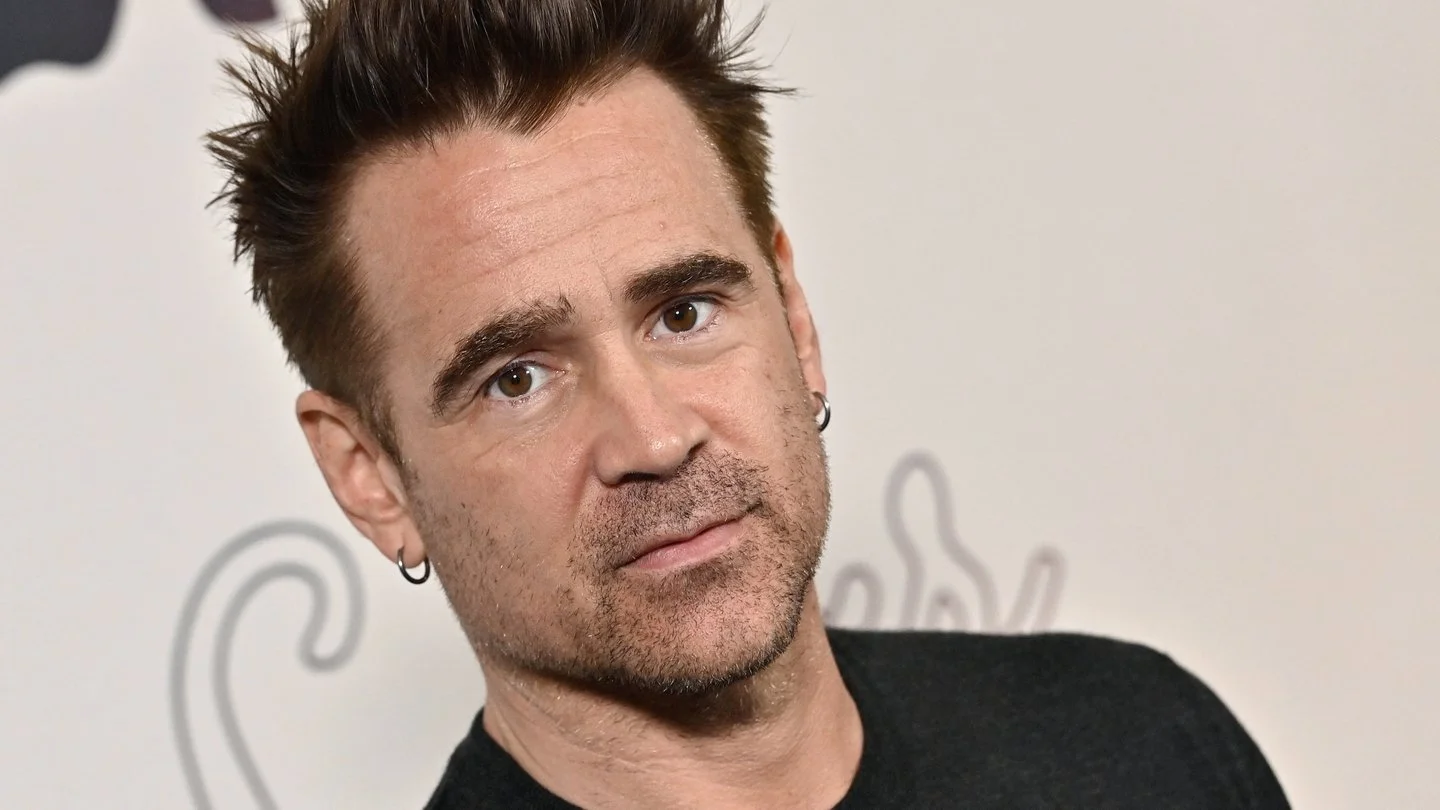
DeVito faced a similar ordeal when stepping into Cobblepot’s shoes for Burton’s film. His makeup routine, starting at 4:30 or 5 each morning, began with a lengthy session that was eventually cut down to three and a half hours. Their experiences not only highlight the physical endurance demanded by the role but also the daily rituals that became part of their process—coffee, music, a bit of reflection before facing the brush.
Both actors accepted the physical strains: the early hours and the impact on their skin. Farrell’s schedule, for instance, was limited to three long days per week due to makeup-related skin reactions, which meant 16- to 18-hour sessions. DeVito spent 66 consecutive days in makeup on his project, often turning the set into a blend of work and home, complete with pasta and meatballs on the go.
The heavy prosthetics, as they both describe, signified a transformation that left little of themselves visible. Despite its difficulties, the process contributed profoundly to the sense of character and immersion each actor was able to achieve.
On-Set Rituals, Humor, and Culinary Side Quests
During such long days under prosthetics, keeping spirits high and routines intact was essential. Both men developed habits to make the time pass—Farrell arrived in pajamas, coffee in hand, reviewing his lines while music played. DeVito, in his own words, would “dillydally” until the makeup artist’s brush approached. Meals and the camaraderie of the crew helped balance the demands of the grueling days.
Give me another pound of makeup.
-Danny DeVito
In lighter moments, DeVito recalls cooking pasta and delegating sauce-stirring duties mid-scene, a testament to the family atmosphere and good humor that defined their time on set.
Research and Preparation: Down Among the Penguins
DeVito took his preparation to unexpected places, visiting the San Diego Zoo to study king penguins up close. Farrell recognized the seriousness of this approach, joking about DeVito’s dedication and the less glamorous realities of penguin research. Their banter reflects a shared conviction that deep character work and real-world observation enrich the performances they strive to give.
Changing Tides in Television: From Gotham to Philadelphia
The conversation turns toward DeVito’s ongoing work on It’s Always Sunny in Philadelphia, now in its 17th season. Farrell admires DeVito’s creativity in the series, calling the experience anarchic and liberating compared to the structured theatricality of Batman Returns. As DeVito describes, the show offers a unique freedom unlike anything either of them encountered playing the Penguin.
Although It’s Always Sunny is set in Philadelphia, it’s filmed in California, a fact both actors use to reflect on the broader challenges and shifting landscape of the television and film industry. Farrell mentions his current project, Sugar, and comments on the gratitude among crew members who have weathered industry changes. Their discussion underscores a shared hope for a return of film and television production to Los Angeles.
Catwoman Encounters: Kravitz, Pfeiffer, and the Dynamic on Set
Neither portrayal of the Penguin would be complete without a reference to Catwoman. Farrell praises Zoë Kravitz, his co-star in The Batman, describing her performance as “wonderful” during their brief scenes together. DeVito, recalling Michelle Pfeiffer’s iconic Catwoman, marvels at her presence and the impact she had on the set.
Tell him to stop stirring the sauce
-Michelle Pfeiffer (as quoted by Danny DeVito)
Their exchanges reveal both the admiration and playful energy that Catwoman brings to their Gotham experiences. DeVito openly admits Oswald’s infatuation, noting the operatic and even Shakespearian atmosphere that Pfeiffer helped create in Burton’s film.
On Mothers, Family Ties, and Memorable Scenes
Family dynamics come into play as Farrell discusses working with Deirdre O’Connell, who played his mother in The Penguin. DeVito fondly recalls memorable scenes involving Farrell’s “mama’s boy” persona, highlighting the humor and emotional underpinnings of their interpretations. The sense of rejection and tension between mother and son in Farrell’s story struck a chord for both actors, infusing their respective performances with layers of pathos and irony.
Would They Return? Revisiting the Penguin Legacy
When asked whether he would ever reprise his role as Oswald Cobblepot, DeVito does not hesitate to answer in the affirmative. For DeVito, playing the Penguin offered a kind of creative license and a burst of freedom rarely seen in other roles. He credits the operatic spectacle of Burton’s vision—complete with dramatic sets, music, and Shakespearean grandeur—for elevating the character to new heights.
Farrell, meanwhile, reflects on the darkness that occupied his portrayal by the end of the series. He admits that while he deeply valued the opportunity, he was ready for it to end, stating that he felt buried by the weight of the character. Farrell’s memories of watching DeVito and earlier Penguin performances as a child in Dublin remind him never to lose perspective on his good fortune, despite the character’s all-consuming nature.
Ooh, shouldn’t have come here. Should have come here a year and a half ago.
-Colin Farrell
Coping with Challenging Roles: Drawing Boundaries
The psychological demands of playing the Penguin, often marked by grotesque and extreme behavior, are not lost on the actors. DeVito emphasizes the importance of “shedding” such roles for the sake of emotional wellbeing and family life. Going home to his family brought a clear delineation between work and personal life, a strategy Farrell also recognizes. The challenge for both was to avoid letting the darkness of the character seep into their daily realities.
Sobriety and Health: Personal Reflections
Farrell and DeVito open up about their decisions to moderate or forgo alcohol. Farrell describes the particular struggle of being in Bruges, surrounded by temptations while maintaining sobriety—a period he recalls as both difficult and necessary. DeVito chimes in regarding his own journey, sharing that he enjoys a sip of wine on occasion but mostly adheres to health-focused routines, which result in improved sleep and overall wellness.
Finding Relaxation Beyond the Set
In seeking ways to unwind from the intensity of their roles, the actors find solace in familiar pursuits. Farrell mentions that watching films, reading, visiting the sauna, and running help him relax. DeVito, ever the conversationalist, recognizes Farrell’s commitment to staying in shape and the importance of such habits for maintaining balance amid demanding careers.
Batman as a Catalyst: Understanding the Penguin’s Motivation
Farrell and DeVito delve into what Batman represents to their versions of the Penguin. For Farrell’s Oz Cobb, Batman (Robert Pattinson) is both admired and envied, a figure symbolizing aspiration and the heights of Gotham society. DeVito, whose Oswald Cobblepot played opposite Michael Keaton’s Batman, sees the character’s ambition as all-consuming—always seeking more power and status.
Each actor’s interpretation of the Penguin embodies these motivations uniquely. Farrell’s version leans into the gangster genre, striving for status and a palace of his own, while DeVito’s is more theatrical, reveling in the operatic and chaotic world Burton created. Both agree that the Penguin’s relationship with Batman is central to his drive, fueling both rivalry and admiration.
The Lasting Impact of the Penguin
The legacy of the Penguin continues to evolve through different interpretations and eras, with Colin Farrell and Danny DeVito each bringing their own perspective, humor, and depth to the role. Their discussion reveals not only the hardships behind the makeup but also the camaraderie, creativity, and lasting significance of inhabiting one of Gotham’s most memorable characters. Looking ahead, their openness to reprising the role—and their awareness of the lines between character and self—ensure that the Penguin remains a vital figure in the Batman universe, challenging both actors and audiences alike.
