
The Denzel Washington feud with Quentin Tarantino over Crimson Tide marked one of the most tense showdowns behind the scenes in 1990s Hollywood, erupting during the production of the underwater thriller. This conflict, ignited by a heated disagreement over controversial dialogue, would cast a shadow on both stars for years before an unexpected reconciliation came to light.
The Beginnings of a Notorious Hollywood Clash
Drama in Hollywood is often expected, but the clash between Denzel Washington and Quentin Tarantino during the making of Crimson Tide in 1995 stands out among industry legends. While Tarantino, not yet the cultural phenomenon he would become, contributed a script to the submarine suspense movie featuring Denzel Washington and Gene Hackman, his writing included lines that Washington found deeply objectionable.
On set, the tension boiled over when Washington confronted Tarantino about a particular piece of dialogue, accusing him of embedding racist language in the script. At this time, Washington already held status as an A-list star, while Tarantino was best known for his recent breakthrough with Pulp Fiction and still working to climb Hollywood’s ranks. The result was an atmosphere laden with discomfort and cold professionalism, with Washington making it clear he would not tolerate language he deemed offensive.
Silent Hostility and Years of Unresolved Emotions
Rather than blow over, the incident triggered a lengthy standoff between the two. The feud lingered quietly in the background of Hollywood, avoided in public forums and never addressed directly in interviews. For nearly a decade, neither Tarantino nor Washington attempted a public reconciliation, with their rift becoming Hollywood lore among insiders.
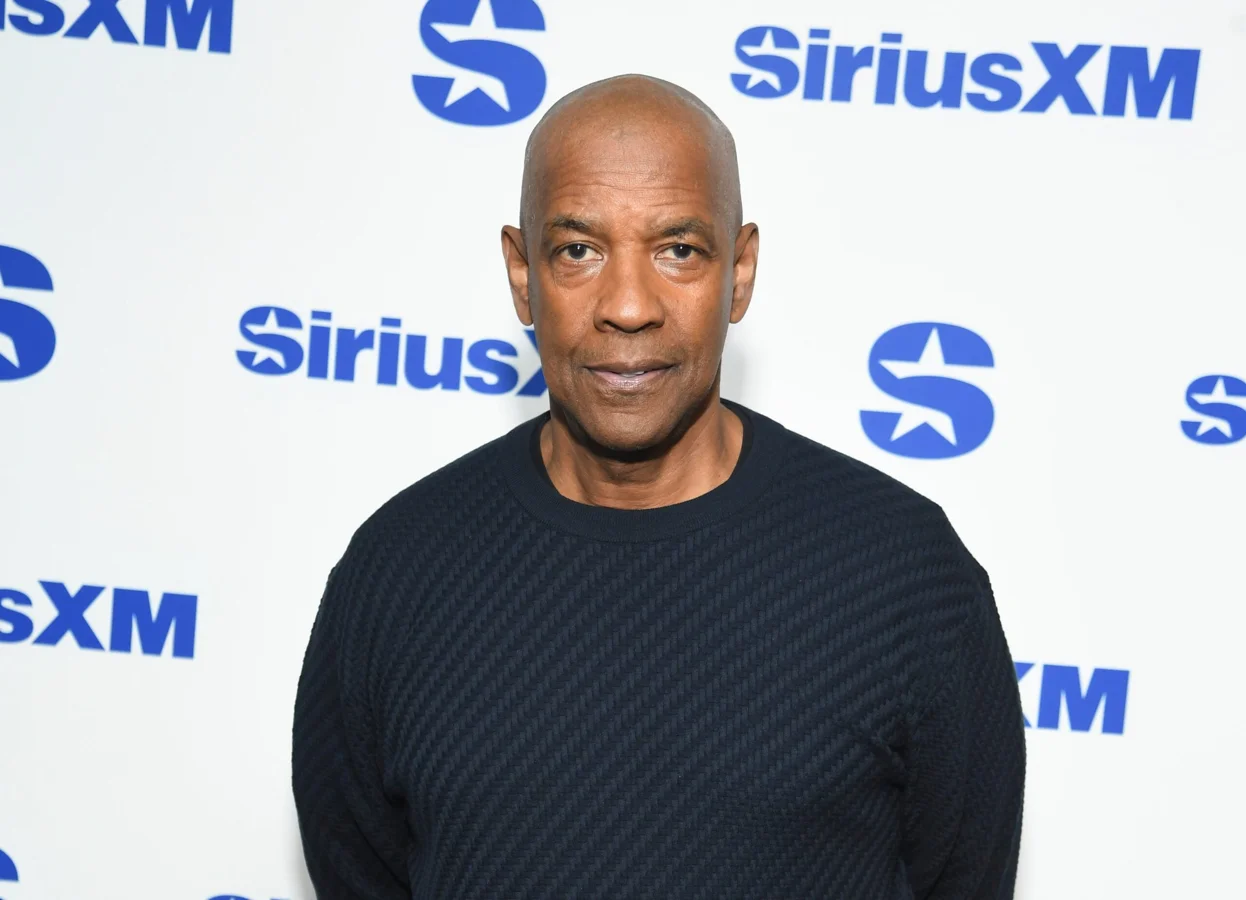
No direct apologies were made at the time, and the tension remained an unresolved thorn between two of the industry’s titans, with both continuing their careers but remaining distant. Their working relationship was left fractured, and the incident was largely kept away from the public eye.
A Decade Later: Reconciliation Unveiled
The story took an unexpected turn in 2012 when Denzel Washington spoke about the feud during a discussion with GQ. While discussing his daughter, Katia Washington, and her achievements, Washington revealed,
My oldest daughter—I see her digging her independence. She doesn’t like me talking about it, but she’s working with Tarantino.
-Denzel Washington, Actor
This news revealed that Katia Washington was serving as an editorial production assistant on Django Unchained, a major Quentin Tarantino film, bringing new irony to the long-standing conflict between her father and her boss. The connection between the Washington family and Tarantino had unexpectedly deepened.
When asked about the old dispute, Washington confirmed that the feud had been quietly resolved years earlier. He explained,
Isn’t that interesting how life goes? But I buried that hatchet. I sought him out ten years ago. I told him, ‘Look, I apologise.’ You’ve just gotta let that go. You gonna walk around with that the rest of your life?
-Denzel Washington, Actor.
He seemed relieved. And then here we are ten years later, and my daughter’s working with him. Life is something.
-Denzel Washington, Actor
Significance and the Irony of Hollywood Feuds
Katia Washington’s collaboration with Tarantino symbolizes a shift from intense frustration and agitation to professional acceptance, a sign of how relationships in Hollywood can evolve in unexpected ways. The feud—which had once threatened to permanently separate two major talents—ended not just with words but with a professional partnership between the next generation.
The Denzel Washington feud with Quentin Tarantino over Crimson Tide offers a glimpse into the emotional turmoil and personal challenges that shape even the biggest Hollywood figures. Ultimately, the story serves as a reminder that in an industry marked by strong personalities and public conflicts, reconciliation can reshape narratives decades later, and even longstanding grudges can find resolution, impacting both personal and professional legacies.
