
Netflix is making headlines by offering a $3 million deal for a potential Leonardo DiCaprio return in Once Upon a Time in Hollywood sequel, now helmed by David Fincher and set to spotlight Brad Pitt’s character Cliff Booth. With production slated to begin in 2025, speculation grows over whether DiCaprio’s Rick Dalton will make a surprise comeback on the streaming giant’s highly anticipated project.
Netflix Sets the Stage for a Hollywood Reunion
When Quentin Tarantino first released Once Upon a Time in Hollywood in 2019, audiences got an immersive look at late-1960s Los Angeles through a unique blend of nostalgia, vibrant visuals, and a star-studded cast. The film featured Leonardo DiCaprio as actor Rick Dalton and Brad Pitt as stuntman Cliff Booth, both delivering acclaimed performances that defined the movie’s tone and energy. Margot Robbie’s portrayal of Sharon Tate added further depth, as did a period-appropriate soundtrack that became iconic for fans and critics alike.
Today, the Hollywood landscape is buzzing once again, this time as news breaks that Netflix is pursuing a sequel to the film. Unlike the original, the upcoming chapter will shift its narrative spotlight to Brad Pitt’s character, Cliff Booth, with David Fincher taking over as director. Fincher, known for his meticulous and gripping filmmaking, injects new excitement and curiosity into the project. The crafting of this sequel combines Quentin Tarantino’s signature storytelling—there are hints that his unused script for another film, The Movie Critic, will inspire the plot—with Fincher’s psychological touch, promising a blend that could redefine modern Hollywood nostalgia on screen.
Is Leonardo DiCaprio’s Rick Dalton Set for a Comeback?
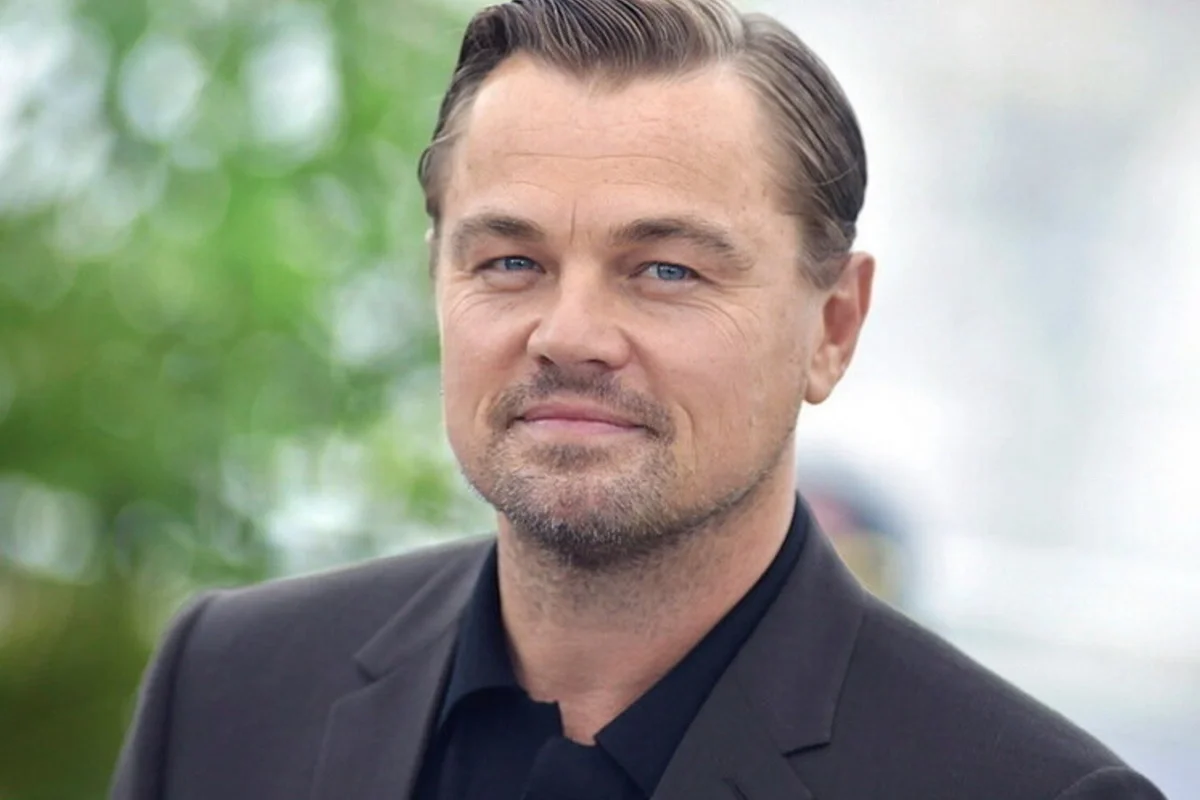
One of the hottest topics circulating is whether Leonardo DiCaprio will say yes to reprising his role as Rick Dalton, particularly after Netflix allegedly extended a $3 million offer for what would amount to a cameo appearance. Reports surfaced via The Hot Mic on YouTube claiming the streaming company is courting DiCaprio for a brief but highly anticipated return. This sum, while substantial for a cameo, is a far cry from DiCaprio’s usual multi-million-dollar deals per leading role, making the offer both a strategic move and a sign of just how critical his presence could be for fan engagement and buzz.
Brad Pitt, meanwhile, is officially signed on to bring back the cool and complex Cliff Booth under Fincher’s direction. As fans eagerly await updates, the mere intention behind Netflix’s offer demonstrates how essential DiCaprio’s character is to the world Tarantino built. Whether DiCaprio appears as a flashback, in archival TV moments, or a subtle Easter egg referencing Rick Dalton’s path after fame, speculation alone is fueling widespread anticipation. Brad Pitt’s reappearance as Booth guarantees continuity, but the possibility of seeing Rick Dalton one last time is driving a major part of the conversation around this Hollywood sequel.
The dynamic between Rick Dalton and Cliff Booth was central to the film’s heart, and many believe that DiCaprio’s charisma—whether as comic relief, tragic nostalgia, or both—could anchor the story’s emotional resonance for fans of the original. For now, however, Netflix and DiCaprio remain tight-lipped, opting to keep the suspense alive as the sequel heads toward pre-production.
New Faces Bring Fresh Energy to the Sequel
The casting for the Once Upon a Time in Hollywood sequel is stirring excitement beyond just the big names returning. Alongside Brad Pitt’s comeback, two noteworthy additions—Elizabeth Debicki and Scott Caan—have been announced, promising new chemistry and intrigue for the film’s evolving narrative.
Elizabeth Debicki, recognized for her award-winning role as Princess Diana in The Crown and featured in films like Tenet, Widows, and the Marvel Cinematic Universe’s Guardians of the Galaxy, brings a unique mix of elegance and adaptability. Her previous performances suggest she could seamlessly evoke the allure of a 1970s Hollywood starlet or step into a noir-inspired femme fatale role, enhancing the story’s interplay of charm and menace.
Scott Caan, famed for his roles in the Ocean’s Eleven series and Hawaii Five-0, enters the project not only as an actor but also as an accomplished writer, with recent indie success from One Day as a Lion. His streetwise edge and creative versatility position him as an ideal foil or ally for Cliff Booth, hinting at new dynamics for the character-driven sequel. Caan’s involvement signals the film’s intent to blend Hollywood legacy with fresh storytelling versatility, echoing the mix of familiar faces and rising talent that defined the original movie’s impact.
Creative Forces Unite Behind the Scenes
In a significant shift for the franchise, David Fincher is confirmed to direct the sequel, while Tarantino’s influence is retained through the script and foundational vision. This collaboration stands as one of the era’s most notable creative alliances, with fans eager to see how Fincher’s precise, psychological approach complements Tarantino’s penchant for subversive, reference-laden storytelling.
Notably, the project’s roots can be traced to Tarantino’s shelved concept, The Movie Critic, originally intended to be his tenth and possibly final film. The lost script revolved around a 1970s film critic for an adult magazine—a sharp, self-aware premise that informed much of the sequel’s new direction. Brad Pitt was reportedly considered for the lead, lending further credence to Cliff Booth’s expanded role. Additionally, Tarantino’s novelization of Once Upon a Time in Hollywood had previously hinted at Booth’s hidden cinephile side, deepening the character’s complexity and setting up rich narrative ground for the follow-up.
The upcoming story is set in 1977, nearly a decade after the events of the first film. With Hollywood transformed and new cultural forces at play, Cliff Booth must navigate shifting industry dynamics and the challenges of lingering relevance. Themes of legacy, adaptation, and nostalgia will be amplified by both Tarantino’s sensibilities and Fincher’s signature intensity.
Production Timeline and Release Details for the Anticipated Sequel
As excitement escalates, many are now looking to when the film will actually reach audiences and through which channels. Current plans indicate that filming will begin in July 2025, paving the way for a possible release in late 2026, assuming production remains on schedule. Given the high-profile cast, the ambitious creative merger, and Fincher’s meticulous methods in both direction and post-production, the release will likely be timed for maximum impact during film festival season or the year-end awards circuit.
Netflix, which has established a relationship with Fincher through projects like Mank and The Killer, will serve as the primary distributor. This marks Fincher’s third collaboration with the streamer, ensuring instant worldwide access upon debut. While Netflix exclusivity is expected, industry watchers note the possibility of a limited theatrical run to build buzz, qualify for awards, and cement the film’s place among prestige releases. Previous Netflix titles under visionary directors have used similar distribution strategies, combining streaming reach with select big-screen showings in locations like Venice, Toronto, or major cities during award season.
The Cultural Impact and What Audiences Can Expect Next
The prospect of a Leonardo DiCaprio return in Once Upon a Time in Hollywood sequel signals both Hollywood’s nostalgia for familiar icons and its appetite for new creative crossovers. The involvement of high-caliber figures such as David Fincher, Quentin Tarantino, Brad Pitt, Elizabeth Debicki, and Scott Caan situates the film at the intersection of legacy and innovation. Fans are closely following every development, eager to see how Rick Dalton’s story might unfold further and what surprises the updated cast could bring.
Industry insiders predict that, should DiCaprio agree to the cameo, audience anticipation and social media buzz will surge, reinforcing Hollywood’s tradition of star-driven storytelling and transformative reinventions. Ultimately, this sequel stands poised to become one of the most discussed cinematic events of its decade, demonstrating the enduring appeal of reinvention, nostalgia, and daring collaborations in film’s ongoing evolution.
