
Ridley Scott reflects on leaving the Alien franchise as he discusses his storied history with the series and his vision for its future. In a recent anniversary interview, the acclaimed director described his journey, from launching the original film to his decision to part ways, emphasizing his belief that his time with the franchise has reached its natural conclusion.
Scott’s Early Impact and Return to Alien
Best known for directing the foundational 1979 Alien film, Scott helped establish a groundbreaking new era in science fiction cinema. Despite stepping away from the series during the production of the sequels, including James Cameron’s Aliens and Alien 3, Scott returned decades later, first to lead the creative direction of Prometheus in 2012 and then Alien: Covenant in 2017. More recently, his involvement extended to producing and consulting on Alien: Romulus, set for release in 2024.
Scott’s reflections reveal his initial skepticism about the franchise’s trajectory following the fourth installment. He recounted how he was brought on board for the original after nearly a year had passed since Star Wars, highlighting how Moebius’s artwork and his background in design influenced the film’s distinctive aesthetic. Scott expressed candid opinions about the series, showing respect for Cameron’s contributions but less enthusiasm for other entries.
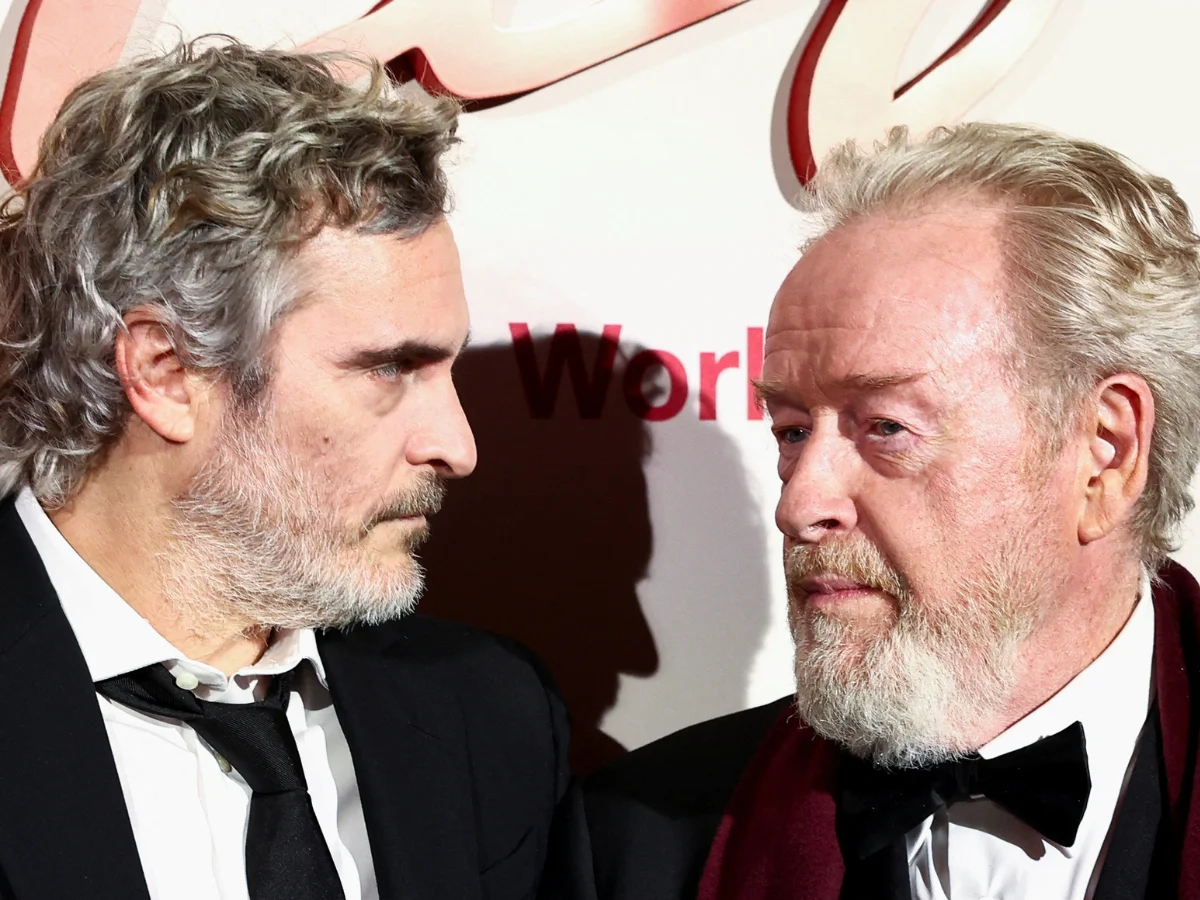
EXCLUSIVE: It is spreading like wildfire, and not really. I think I felt it was deadened after 4. I think mine was pretty damn good, and I think Jim’s was good, and I have to say the rest were not very good. And I thought, “F***, that’s the end of a franchise which should be as important as bloody Star Trek or Star Wars,” which I think is phenomenal. At least, I think the first one by George is seminal–it was as seminal as 2001. To me, it was that important in terms of film language and where you go next. From George’s [Star Wars], I was then offered, almost a year after, Alien. I’m fascinated [by] very good comics and the best in the world was probably Jean Giraud Moebius. Moebius was a French comics man who was just genius. I was staring at these, and suddenly I was offered Alien out of the blue. And because designer is in my blood and DNA, I just knew what to do with it. And I was the fifth f***ing choice. Why you offered Robert Altman Alien, God only knows. Altman said, “Are you kidding? I’m not going to do this,” and I went, “Are you kidding? I have to do this,” because it borders and verges on heavy metal. So that’s where I went, and then it died. A number of years after, I said, “I’m going to resurrect this,” [and wrote] Prometheus from scratch–a blank sheet of paper. Damon Lindelof and I sat then hammered out Prometheus. It was very present and very welcome. The audience really wanted more. I said, “It needs to fly.” No one was coming for it, [and] I went once again [and made] Alien Covenant, and it worked too. Where it’s going now, I think I’ve done enough, and I just hope it goes further.
– Ridley Scott, Director/Producer
Assessing the Franchise’s Creative Evolution
Throughout his tenure, Scott remained intensely committed to ensuring the Alien franchise’s prominence within science fiction. He often cited his dissatisfaction with films after Alien: Resurrection, believing the series lost momentum and failed to rise to the stature of other monumental franchises like Star Trek or Star Wars.
Scott was open about being an unexpected choice for the original director role, noting he was offered the opportunity after several others declined. He described how his passion for innovative comics and visionary artists like Jean Giraud Moebius directly impacted the visual storytelling of Alien, making the film stand out as a cinematic milestone.
Are you kidding? I’m not going to do this,
– Robert Altman, Director
Are you kidding? I have to do this,
– Ridley Scott, Director
The director detailed his creative process while developing Prometheus, emphasizing the challenge and thrill of revitalizing the universe from a blank sheet. Teaming up with Damon Lindelof, Scott intended to craft a new narrative that would reengage audiences and spark renewed interest. He likewise described the encouraging audience reaction and confidence in his work after Alien: Covenant, yet feels his own involvement has now reached a satisfying end point.
Challenges and Creative Differences Across the Series
Scott has previously voiced disappointment at not having continued to direct more Alien sequels, especially given the series’ shifting tone and creative direction over the years. While he maintains admiration for James Cameron’s highly regarded Aliens, his perspective on other installments has been less positive, suggesting the franchise‘s unique voice was lost in later entries. He also compared the cultural significance of Alien to other genre-defining works from directors like George Lucas and Stanley Kubrick, underscoring his belief in its foundational place in cinematic history.
Prometheus, released in 2012, divided both critics and fans but remained, in Scott’s view, one of the franchise’s most imaginative efforts. The film broke new ground by exploring a different mythology and ambitious science fiction themes, which Scott believes was necessary for revitalizing the Alien universe. His drive to “resurrect” the series echoed his ongoing investment in challenging storytelling, even when facing a challenging legacy.
Ongoing Influence Even After Stepping Away
Even as Scott considers his work with Alien essentially finished, his presence endures in the franchise’s ongoing projects. Recent developments include his continued credit as executive producer on the forthcoming TV adaptation, Alien: Earth, as well as initial efforts toward an untitled Alien prequel. This continued presence suggests that, despite publicly distancing himself, Scott’s vision will likely continue to shape the world he helped build.
The original Alien and Aliens remain standout critical and commercial successes, each receiving enduring acclaim on platforms such as Rotten Tomatoes. The positive reception for more recent entries, including Prometheus and Covenant, further cements Scott’s influence. Even Alien: Romulus, with Scott’s involvement as producer and consultant, demonstrates his lasting impact on the franchise’s creative consistency. The disparity between these high points and less celebrated sequels underscores just how pivotal Scott’s touch has been to the series.
How Scott’s Departure Could Affect the Franchise’s Future
Scott’s assertion that he has “done enough” with the Alien legacy marks a pivotal moment, signaling a shift in leadership for one of science fiction’s most influential properties. With both official recognition of the franchise’s challenges and a public desire for its continued evolution, his exit creates room for new creative voices, even as the themes and tone established in his original vision remain foundational.
While he acknowledges certain regrets and creative differences throughout the franchise’s history, Scott’s continued willingness to guide as an executive producer or consultant provides a safety net for future projects. His emphasis on artistic risk and his comparison to genre giants like Star Trek and Star Wars highlight his passionate, conflicted connection to Alien’s legacy. As the series stands poised for new chapters—including Alien: Romulus and Alien: Earth—the creative community and dedicated fans alike will watch closely to see how the world Ridley Scott nurtured continues to evolve without his direct involvement.
