
Taylor Sheridan criticized for chaotic Yellowstone finale as fans voiced their disappointment over the show’s conclusion, with accusations of a rushed, chaotic send-off and unresolved narratives. The reaction has also prompted sharp commentary from Kevin Costner, whose remarks further fueled the discussion about where the series went wrong and who bears responsibility as it rode off into television history.
Fans Confront Sheridan Over Disappointing Series Conclusion
The highly anticipated ending to Yellowstone, once hailed as television’s leading neo-Western saga, spiraled into controversy as fans deemed the finale chaotic and poorly constructed. Meeting after a lengthy pause between halves of Season 5, audiences found John Dutton’s legacy in shambles, the story scattered, and the tension built over several seasons evaporated in confusion. Once captivating viewers with its rugged Montana setting and family feuds, the series devolved into what many describe as a ponderous episodic soap opera, far from the fierce drama originally promised.
In the final episodes, Taylor Sheridan’s direction faced mounting criticism for focusing on offbeat plot threads and thin emotional payoffs rather than addressing the deep gravitas expected from the Duttons’ last stand. From the peculiar inclusion of a high-stakes strip poker sequence to abrupt character departures and a finale that cast more shadows than it resolved, the narrative stumbled. Dutton family strife became melodramatic, distilling what should have been a sweeping conclusion into filler scenes and unresolved arc climaxes.
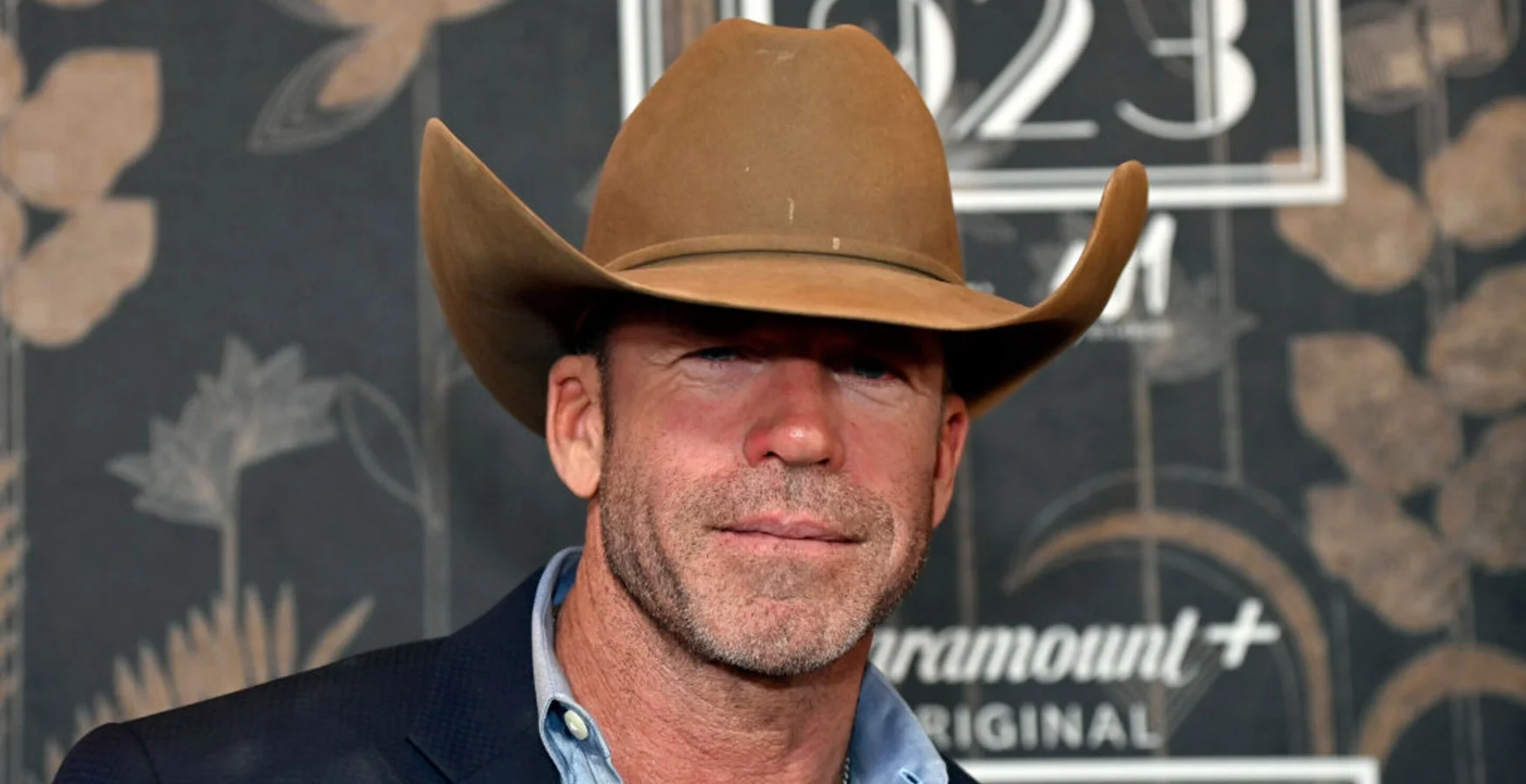
Online forums and social media swelled with harsh reactions. Viewers openly described the crescendo as an aimless imitation of genre tropes, lacking the emotional clarity and character-driven punch Yellowstone had been celebrated for. The tension between Beth and Jamie devolved into exaggerated confrontations, while pivotal moments for characters like Kayce and Rip were glazed over without true resolution. Ranch-saving schemes emerged too conveniently, with audience members doubting the credibility and stakes the series spent years building up.
Lainey Wilson’s on-screen performance and the subdivision of Dutton land stood in stark contrast to John Dutton’s core motivations, further alienating viewers seeking narrative consistency. Sheridan’s efforts to insert symbolic closure came across as hollow, failing to account for the complex legacies and moral ambiguities the show originally navigated. As fans processed the ending, Sheridan himself acknowledged the show’s contentious structure, stating,
It has no plot, really. […] Don’t take my land, I want your land. In that, I have a lot of opportunities to poke fun, but also kind of point out different points of views, and kind of really study a way of life and a world. There’s a lot of defiance in the way I do it.
– Taylor Sheridan, Creator of Yellowstone
This candid admission resonated with some critics who believed the finale wrapped up with generic send-offs, leaving many feeling the emotional legacy of the Dutton family had been diluted. Despite declarations of victory from Beth and others within the story, audiences were left asking what exactly was being celebrated, given the lack of satisfying closure for the ensemble cast.
The aftermath reinforced the sense that Sheridan’s once-bold Western had failed to recapture the inventive spirit that made it a cultural phenomenon. Even as the show concluded, its reputation as a trailblazer in TV storytelling was clouded by polarized responses and accusations that it had become a mere shadow of its former self.
Kevin Costner’s Unfiltered Perspective on the Series Finale
Kevin Costner, synonymous with John Dutton’s steely leadership and complex morality, addressed the Yellowstone finale with characteristic candor. Several months after departing mid-season due to scheduling and rumored creative disagreements, Costner reflected on both the journey and the divisive series conclusion. Speaking with distinguished historian Doris Kearns Goodwin during promotion for their History Channel docuseries The West, Costner delivered a biting summary of his perspective, explaining,
It’s modern-day ranching. Yellowstone was able to capture that really so beautifully. I mean, it’s a bit of a soap opera. I mean, we all should be in prison.
– Kevin Costner, Actor (John Dutton)
Costner’s forthright remarks highlighted the dissonance many viewers felt as the Duttons, painted as tragic antiheroes, accumulated a laundry list of moral and legal transgressions—train station murders, law evasion, and relentless pursuit of power. His assessment of the show as as much an outlaw tale as a ranching drama echoed fan sentiment that the finale glossed over the weight of these actions. In likening the Dutton saga to a soapy melodrama, Costner both poked fun at and critiqued the series‘ final stretch, summarizing the irony with wry humor.
Audiences took up Costner’s refrain, noting that the efforts to redeem the Duttons felt unearned after years of depicting their willingness to manipulate, intimidate, and even shed blood to preserve their empire. As events in the finale tried to fashion a sense of poetic justice or narrative closure, many felt that justice—if it ever arrived—remained overdue, and the moral ambiguity that once fueled Yellowstone’s intrigue had faded into convenient clichés.
The Series’ Legacy and What Lies Ahead
As the dust settles on Yellowstone and the debate about its conclusion continues, the series stands as a testament to how bold storytelling can both ignite enthusiasm and risk alienating its fanbase when narrative coherence falters. Taylor Sheridan’s willingness to embrace controversy and challenge convention left a lasting mark on television, ensuring that Yellowstone’s legacy will be analyzed and debated for years to come.
Whether the finale’s chaotic energy was a deliberate reflection of the Duttons’ turbulent world or a byproduct of creative fatigue, the outraged outpouring affirms that the show mattered deeply to millions. Kevin Costner’s enduring reputation, alongside unforgettable performances from cast members like Kelly Reilly (Beth Dutton), Wes Bentley (Jamie), Cole Hauser (Rip), and Luke Grimes (Kayce), will continue to define the show’s place in TV history.
With viewers now turning to spin-offs or new ventures from Sheridan, such as ongoing partnerships with the History Channel and evolving Western narratives, the question remains whether future projects will recapture the excitement and complexity that Yellowstone once commanded. For now, both fans and critics grapple with the intense emotional aftermath, as the last echoes from the Dutton ranch fade into TV’s vast prairie.
