
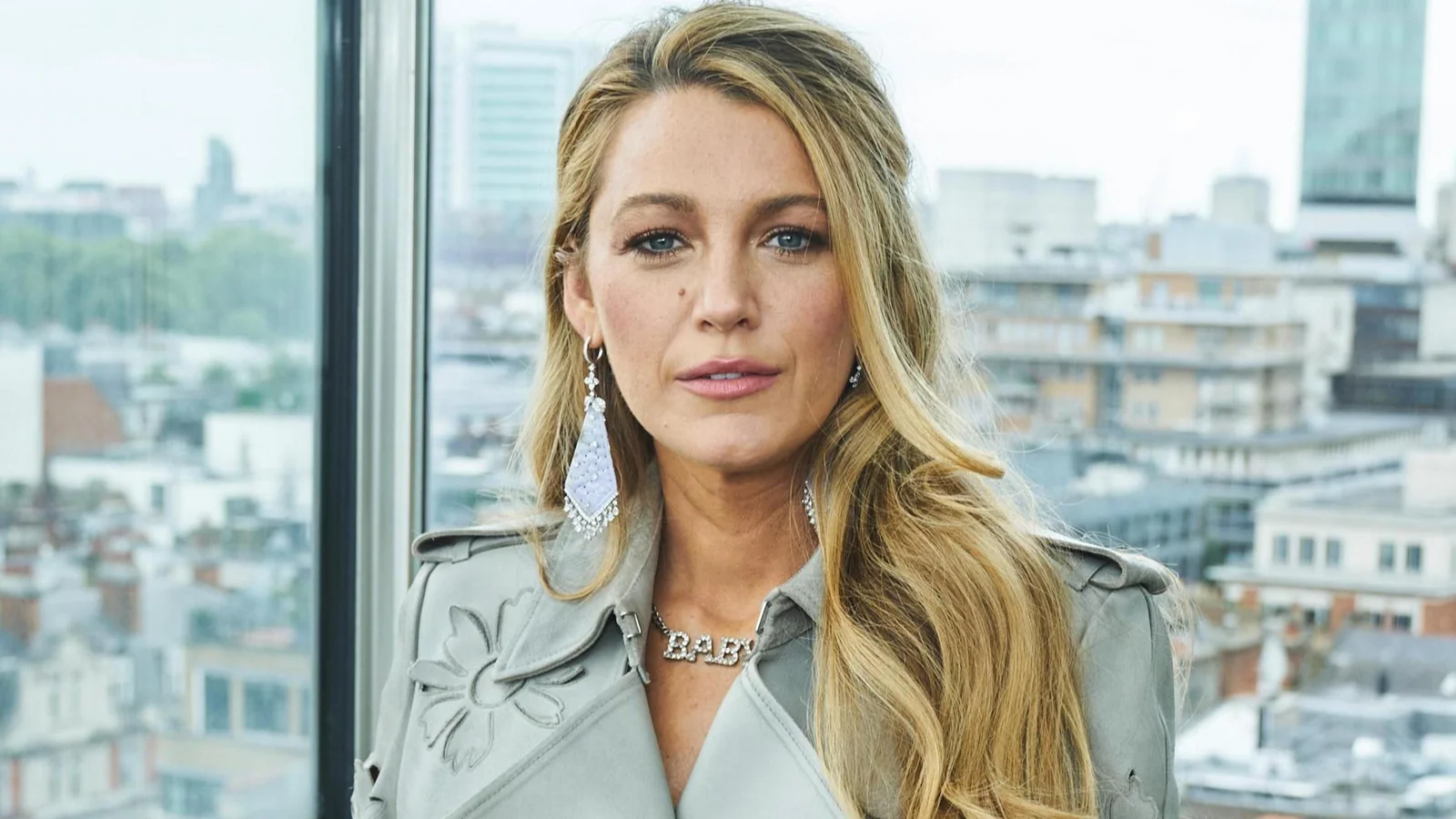
Blake Lively responds to Justin Baldoni lawsuit medical records claims as their contentious legal feud intensifies in New York, with Lively’s team forcefully rejecting allegations tied to her medical records and dropped claims. The battle, enveloping associates and major Hollywood figures, revolves around accusations of harassment, retaliation, and competing lawsuits linked to their film adaptation of “It Ends With Us.”
Lively’s Team Rebuts Medical Records Allegations in Ongoing Court Clash
The latest development in the high-profile legal standoff saw Blake Lively’s attorneys sharply criticize claims by Justin Baldoni’s representatives that she avoided producing medical records related to emotional distress, following her withdrawal of certain claims.
“Once again this is a routine part of the litigation process that is being used as a press stunt,”
—Esra Hudson and Mike Gottlieb, Lively’s lawyers
“We are doing what trial lawyers do: preparing our case for trial by streamlining and focusing it; they are doing what they do: desperately seeking another tired round of tabloid coverage.”
—Esra Hudson and Mike Gottlieb, Lively’s lawyers
Lively’s legal team insisted that she still maintains emotional distress allegations within her broader suit — which also details sexual harassment, retaliation, and demands significant compensatory damages. Her lawyers claimed both parties had agreed to drop the specific distress-related claims without dispute during a teleconference, yet Baldoni’s group later accused her in court filings of withholding vital medical information.
“Ms. Lively continues to allege emotional distress, as part of numerous other claims in her lawsuit, such as sexual harassment and retaliation, and massive additional compensatory damages on all of her claims.”
—Esra Hudson and Mike Gottlieb, Lively’s lawyers
Lively has asked that her dropped claims be dismissed without prejudice, preserving the right to refile them. Baldoni’s team, however, alleges she is trying to avoid discovery obligations while reserving the right to revive claims later, a move they described as unfair in a court filing.
“In other words, Ms. Lively wants to simultaneously: (a) refuse to disclose the information and documents needed to disprove that she suffered any emotional distress and/or that the Wayfarer Parties were the cause; and (b) maintain the right to re-file her IED Claims at an unknown time in this or some other court after the discovery window has closed.”
—Baldoni’s legal team
Lively’s team hit back, calling the allegations “intentionally misleading” and arguing that any claim she refused to comply with discovery was false and aimed at influencing public perception rather than informing the court.
“To suggest that Ms. Lively has ‘refused’ to produce anything (in either her written discovery responses, in the parties’ conference, or anytime thereafter) in connection with these claims is intentionally misleading to the Court and their intended audience for this false record: the public.”
—Lively’s legal team
Background: Lively’s CRD Complaint Ignites Retaliation Claims
In December 2024, four months after “It Ends With Us” premiered, Blake Lively filed a wide-ranging California Civil Rights Department (CRD) complaint against Justin Baldoni and associates at Wayfarer Studios. The complaint named figures such as Jamey Heath, Steve Sarowitz, Jennifer Abel, Melissa Nathan, and Jed Wallace, and accused them of conducting a calculated media attack against Lively in response to her raising concerns about unprofessional and sexually inappropriate conduct on set.
Allegations in Lively’s CRD filing included sexual harassment, retaliation, failure to investigate and prevent harassment, aiding and abetting, breach of contract, infliction of emotional distress, negligence, false light, and interference with prospective economic advantage.
“[Baldoni and his Wayfarer associates] embarked on a sophisticated press and digital plan in retaliation,”
—Blake Lively, via complaint
Lively alleged the negative campaign caused substantial harm to her personal and professional life and noted that other cast and crew members experienced inappropriate workplace conduct. Specific accusations included invasive and unprofessional actions by Baldoni and Heath.
Media Coverage and Reporting/Cast Reaction
The following day, The New York Times published a detailed account referencing Lively’s complaint and including alleged communications between Baldoni, his publicist Abel, and crisis manager Nathan. The outlet filed extensive supporting documents online.
“I hope that my legal action helps pull back the curtain on these sinister retaliatory tactics to harm people who speak up about misconduct, and helps protect others who may be targeted.”
—Blake Lively, to The New York Times
The article sparked a wave of reactions. Colleen Hoover, author of the source novel, voiced public support for Lively, as did several “It Ends With Us” cast members and industry colleagues.
“@blakelively, you have been nothing but honest, kind, supportive and patient since the day we met. Thank you for being exactly the human that you are. Never change. Never wilt.”
—Colleen Hoover, author
“As Blake Lively’s castmate and friend, I voice my support as she takes action against those reported to have planned and carried out an attack on her reputation. Blake is a leader, loyal friend and a trusted source of emotional support for me and so many who know and love her.”
—Jenny Slate, castmate
“What has been revealed about the attack on Blake is terribly dark, disturbing, and wholly threatening. I commend my friend, I admire her bravery, and I stand by her side.”
—Jenny Slate, castmate
“For the love of God read this.”
—Brandon Sklenar, actor
Lively’s “Sisterhood of the Traveling Pants” costars America Ferrera, Alexis Bledel, and Amber Tamblyn also declared their support for her.
Baldoni’s Response and Fallout in the Industry
After news of the complaint broke, attorney Bryan Freedman, representing Baldoni, Wayfarer, and associates, denounced the accusations as baseless and part of a campaign to improve Lively’s reputation.
“It is shameful that Ms. Lively and her representatives would make such serious and categorically false accusations against Mr. Baldoni, Wayfarer Studios and its representatives, as yet another desperate attempt to ‘fix’ her negative reputation which was garnered from her own remarks and actions during the campaign for the film; interviews and press activities that were observed publicly, in real time and unedited, which allowed for the internet to generate their own views and opinions.”
—Bryan Freedman, attorney for Baldoni and Wayfarer
“These claims are completely false, outrageous and intentionally salacious with an intent to publicly hurt and rehash a narrative in the media.”
—Bryan Freedman
“The representatives of Wayfarer Studios still did nothing proactive nor retaliated, and only responded to incoming media inquiries to ensure balanced and factual reporting and monitored social activity.”
—Bryan Freedman
“What is pointedly missing from the cherry-picked correspondence is the evidence that there were no proactive measures taken with media or otherwise; just internal scenario planning and private correspondence to strategize which is standard operating procedure with public relations professionals.”
—Bryan Freedman
Following the public allegations, William Morris Endeavor (WME) dropped Baldoni as a client. WME, which also represents Lively and Ryan Reynolds, denied claims that Reynolds pressured the agency into cutting ties with Baldoni.
“In Baldoni’s filing there is a claim that Reynolds pressured Baldoni’s agent at the Deadpool & Wolverine premiere. This is not true.”
—WME spokesperson
“Baldoni’s former representative was not at the Deadpool & Wolverine premiere nor was there any pressure from Reynolds or Lively at any time to drop Baldoni as a client.”
—WME spokesperson
Contributors Exit and Further Legal Complications
In the immediate aftermath, more fallout was observed. Liz Plank, cohost alongside Baldoni and Heath on “The Man Enough Podcast,” announced her exit days after Lively’s complaint.
“I’m writing to you today to let you know that I have had my representatives inform Wayfarer that I will no longer be co-hosting The Man Enough podcast.”
—Liz Plank, former cohost
“Thank you for trusting me with your hearts and stories, for holding space for mine, and for making this show what it was. I will miss you, the listeners, so much. I love what this community created together with every fiber of my being, and that’s because of you.”
—Liz Plank
“As this chapter closed for me, I remain committed to the values we’ve built together.”
—Liz Plank
“Thank you for being here, for trusting me, and for being by my side for the last four years. We all deserve better, and I know that together, we can create it.”
—Liz Plank
“I will have more to share soon as I continue to process everything that has happened. In the meantime, I will continue to support everyone who calls out injustice and holds the people standing in their way accountable.”
—Liz Plank
Soon after, Baldoni’s former publicist, Stephanie Jones, and her firm Jonesworks LLC sued Baldoni and other Wayfarer associates, alleging conspiracy and orchestrating a media smear campaign, as well as breach of contract.
“Defendants Abel and Nathan secretly conspired for months to publicly and privately attack Jones and Jonesworks, to breach multiple contracts and induce contractual breaches, and to steal clients and business prospects.”
—Jonesworks lawsuit
“Behind Jones’s back, they secretly coordinated with Baldoni and Wayfarer to implement an aggressive media smear campaign against Baldoni’s film co-star, and then used the crisis as an opportunity to drive a wedge between Jones and Baldoni, and to publicly pin blame for this smear campaign on Jones—when Jones had no knowledge or involvement in it.”
—Jonesworks lawsuit
“[Abel and Nathan] continue to point the finger falsely at Jones now that their own misconduct is coming to light,”
—Jonesworks lawsuit
“[Baldoni and Wayfarer] repudiated their contractual obligations with Jonesworks and rebuffed Jones’s efforts to settle this dispute privately in arbitration.”
—Jonesworks lawsuit
Exploding Litigation: Lawsuits Multiply Between Parties and Against Media
December 31, 2024, marked the acceleration of cross-litigation with Baldoni, Wayfarer, Heath, Sarowitz, Nathan, TAG, Abel, RWA Communications, Wallace, and Street Relations filing a lawsuit against The New York Times. They accused the newspaper of libel, invasion of privacy, and misuse of Lively’s complaint narrative. They declared the reporting slanted and unsupported by evidence.
“Despite its claim to have ‘reviewed these along with other documents[,]’ the Times relied almost entirely on Lively’s unverified and self-serving narrative, lifting it nearly verbatim while disregarding an abundance of evidence that contradicted her claims and exposed her true motives.”
—Plaintiffs’ lawsuit against The New York Times
“[It was] Lively, not Plaintiffs, who engaged in a calculated smear campaign.”
—Plaintiffs’ lawsuit
The New York Times affirmed its confidence in its coverage and commitment to defending the case.
“The role of an independent news organization is to follow the facts where they lead. Our story was meticulously and responsibly reported. It was based on a review of thousands of pages of original documents, including the text messages and emails that we quote accurately and at length in the article.”
—The New York Times, via spokesperson
The same day, Lively countersued in New York, reiterating claims of sexual harassment, retaliation, and related grievances first outlined in her earlier CRD complaint. Her lawyers argued that the lawsuit against the NYT misrepresented her motivations and factual allegations.
“Nothing in this lawsuit changes anything about the claims”
—Lively’s attorneys
“This lawsuit is based on the obviously false premise that Ms. Lively’s administrative complaint against Wayfarer and others was a ruse based on a choice ‘not to file a lawsuit against Baldoni, Wayfarer,’ and that ‘litigation was never her ultimate goal.’ As demonstrated by the federal complaint filed by Ms. Lively earlier today, that frame of reference for the Wayfarer lawsuit is false.”
—Lively’s attorneys
Baldoni’s Counsel Vows More Litigation, Hints at Targeting Lively
Lawsuit filings on behalf of Baldoni and his camp suggested further legal action against as-yet unnamed “bad actors” would follow.
“There are other bad actors involved, and make no mistake—this will not be the last lawsuit.”
—Court documents, Baldoni et al. v. The New York Times (“Wayfarer Lawsuit”)
Attorney Bryan Freedman later confirmed to NBC News that they “absolutely” intended to sue Lively directly. This threat underscored the rapidly increasing legal entanglements stemming from the initial film dispute into multiple forums and states.
Cultural Fallout: Social Media, Deadpool, and More Accusations
As legal documents, filings, and retribution claims proliferated through January 2025, online observers pointed out apparent parallels and possible mockery of Baldoni within the “Deadpool & Wolverine” film, a project starring Reynolds, Lively’s husband. Baldoni’s legal team publicly condemned this perceived trivialization.
“What I make of that is that if your wife is sexually harassed, you don’t make fun of Justin Baldoni. You don’t make fun of the situation. You take it very seriously. You file HR complaints. You raise the issue and you follow a legal process. What you don’t do is mock the person and turn it into a joke.”
—Bryan Freedman, attorney, on The Megyn Kelly Show
Meanwhile, Lively’s legal counsel described ongoing attacks against her after her legal filings.
“Ms. Lively’s federal litigation before the Southern District of New York involves serious claims of sexual harassment and retaliation, backed by concrete facts.”
—Lively’s attorneys
“This is not a ‘feud’ arising from ‘creative differences’ or a ‘he said/she said’ situation. As alleged in Ms. Lively’s complaint, and as we will prove in litigation, Wayfarer and its associates engaged in unlawful, retaliatory astroturfing against Ms. Lively for simply trying to protect herself and others on a film set. And their response to the lawsuit has been to launch more attacks against Ms. Lively since her filing.”
—Lively’s attorneys
“While we go through the legal process, we urge everyone to remember that sexual harassment and retaliation are illegal in every workplace and in every industry. A classic tactic to distract from allegations of this type of misconduct is to ‘blame the victim’ by suggesting that they invited the conduct, brought it on themselves, misunderstood the intentions, or even lied. Another classic tactic is to reverse the victim and offender, and suggest that the offender is actually the victim.”
—Lively’s attorneys
“These concepts normalize and trivialize allegations of serious misconduct.”
—Lively’s attorneys
“Media statements are not a defense”
—Lively’s attorneys
Baldoni’s legal camp shot back, accusing Lively’s side of manipulating the media and pledging to release what they termed incriminating evidence.
“It is painfully ironic that Blake Lively is accusing Justin Baldoni of weaponizing the media when her own team orchestrated this vicious attack by sending the New York Times grossly edited documents prior to even filing the complaint.”
—Bryan Freedman
“We are releasing all of the evidence which will show a pattern of bullying and threats to take over the movie.”
—Bryan Freedman
“None of this will come as a surprise because consistent with her past behavior Blake Lively used other people to communicate those threats and bully her way to get whatever she wanted. We have all the receipts and more.”
—Bryan Freedman
Escalation: Lawsuits Target Lively, Reynolds, and More
The barrage of lawsuits gained momentum mid-January 2025, as Baldoni, Heath, Wayfarer, Abel, Nathan, and It Ends With Us Movie LLC sued Lively, Reynolds, her publicist Leslie Sloane, and Sloane’s firm Vision PR in New York. Accusations ranged from civil extortion and defamation to breach of implied covenant and interference with contracts. Lively and Reynolds were directly accused of damaging contractual and economic relationships, while denials of sexual harassment and a retaliatory campaign were reaffirmed alongside claims that Lively had sought to dominate the production and narrative.
The plaintiffs further alleged collusion with The New York Times, seeking to propagate false, damaging narratives.
“Blake Lively was either severely misled by her team or intentionally and knowingly misrepresented the truth.”
—Bryan Freedman, via statement to E!
Lively’s legal representatives condemned Baldoni’s lawsuit as another act of aggression.
“Another chapter in the abuser playbook.”
—Lively’s legal team
“This is an age-old story: A woman speaks up with concrete evidence of sexual harassment and retaliation and the abuser attempts to turn the tables on the victim. This is what experts call DARVO. Deny. Attack. Reverse Victim Offender.”
—Lively’s attorneys
Lively’s camp rejected claims of seizing creative control, instead citing Sony’s request for her oversight and the enthusiastic result of her input.
“The evidence will show, that the cast and others had their own negative experiences with Mr. Baldoni and Wayfarer. The evidence will also show that Sony asked Ms. Lively to oversee Sony’s cut of the film, which they then selected for distribution and was a resounding success.”
—Lively’s attorneys
Baldoni’s reaction to the harassment allegations was described as typical victim-blaming by Lively’s lawyers.
“Their response to sexual harassment allegations: she wanted it, it’s her fault. Their justification for why this happened to her: look what she was wearing. In short, while the victim focuses on the abuse, the abuser focuses on the victim. The strategy of attacking the woman is desperate, it does not refute the evidence in Ms. Lively’s complaint, and it will fail.”
—Lively’s attorneys
Evidence Disputes: Behind-the-Scenes Footage, Voice Memo, and Gag Order Efforts
In late January 2025, Baldoni’s lawyers released behind-the-scenes footage from the making of “It Ends With Us,” which they contended disproved Lively’s depiction of his behavior on set.
“The scene in question was designed to show the two characters falling in love and longing to be close to one another. Both actors are clearly behaving well within the scope of the scene and with mutual respect and professionalism.”
—Baldoni’s legal team
Lively’s legal team challenged this interpretation.
“The video corroborates, to the letter, what Ms. Lively described.”
—Lively’s attorneys
“Every moment of this was improvised by Mr. Baldoni with no discussion or consent in advance.”
—Lively’s attorneys
“The video shows Ms. Lively leaning away and repeatedly asking for the characters to just talk. Any woman who has been inappropriately touched in the workplace will recognize Ms. Lively’s discomfort.”
—Lively’s attorneys
Amidst the intensifying standoff, Lively and Reynolds sought a gag order against Freedman, head of Baldoni’s defense team, aimed at curbing improper public commentary during ongoing proceedings.
Shortly thereafter, a lengthy voice memo Baldoni allegedly sent to Lively during the movie’s production surfaced online. The recording referenced script rewrites and meeting dynamics with Lively, Reynolds, and Taylor Swift, and included apparent apologies for previous disagreements over creative changes.
“We should all have friends like that aside from the fact that they’re two of the most creative people on the planet. The three of you guys together, it’s unbelievable.”
—Justin Baldoni
“I f–ked up. One thing you should know about me is that I will admit and apologize when I fail.”
—Justin Baldoni
Setting the Court Date and Expanding the Lawsuit
By late January, the court formally set a trial date for March 9, 2026, for Lively’s suit against Baldoni. Days later, Baldoni amended his own sweeping counterclaim—now valued at $400 million—to add The New York Times as a defendant, alleging ongoing collusion and manipulation of coverage between Lively, her team, and the newspaper. The amended paperwork reiterated accusations of deliberate “cherry-picking” and deceptive communication.
“Feeding falsehoods to the New York Times.”
—Baldoni filing
The newspaper was accused of splicing and presenting communications without appropriate context, contributing to the public narrative against Baldoni and his associates.
Public Campaigns and Website Launches
On February 2, 2025, Baldoni’s team launched a dedicated website outlining their lawsuit and including event timelines and alleged text messages between key parties. This public transparency strategy was foreshadowed by earlier claims from Freedman to NBC News that they intended to release all related text exchanges.
“We want the truth to be out there. We want the documents to be out there. We want people to make their determination based on receipts.”
—Bryan Freedman, attorney
Lively Amends Her Claims, Introduces New Witnesses
February 18 saw Lively’s lawyers file an amended complaint, revealing that two additional women had reported discomfort over Baldoni’s conduct during filming. Documentation of these experiences allegedly began in May 2023, with Lively’s side maintaining that Baldoni acknowledged the complaints in writing at the time. The complaint withheld names of the two witnesses, citing safety threats and ongoing harassment from the defendants‘ retaliation campaign.
“Ms. Lively was not alone in complaining about Mr. Baldoni. The experiences of Ms. Lively and others were documented at the time they occurred starting in May of 2023. Importantly, and contrary to the entire narrative Defendants have invented, Mr. Baldoni acknowledged the complaints in writing at the time. He knew that women other than Ms. Lively also were uncomfortable and had complained about his behavior.”
—Lively’s amended complaint
“Dangerous climate of threats, harassment, and intimidation fueled by the Defendants’ retaliation campaign.”
—Lively’s amended complaint
Freedman responded by calling the newly filed complaint “unsubstantial hearsay,” while questioning the willingness of the unnamed individuals to come forward.
“Clearly no longer willing to come forward or publicly support her claims.”
—Bryan Freedman, attorney
Attempts to Remove Defendants and Strategic Hires
As legal warfare continued, Leslie Sloane—publicist to both Lively and Reynolds—petitioned to be dropped as a defendant after Baldoni accused her of orchestrating a malicious media campaign. Sloane’s own attorney countered that these accusations were baseless, terming the attempt to include her as “smoke and mirrors” designed to divert attention from Lively’s core allegations.
Coinciding with these moves, Lively expanded her litigation team by bringing on Nick Shapiro, former CIA Deputy Chief of Staff, to advise on legal communications and public strategy. Shapiro had previously held security roles at Visa and Airbnb and founded his own consulting firm. Lively’s legal representation highlighted his experience managing high-stakes, sensitive investigations.
“Advise on the legal communications strategy for the ongoing sexual harassment and retaliation lawsuit occurring in the Southern District of New York.”
—Willkie Farr & Gallagher, on behalf of Lively’s team
The New York Times Pushes for Dismissal as Judge Halts Discovery
By the end of February, The New York Times formally requested to be dismissed from the $400 million Baldoni lawsuit, arguing it was improperly drawn into a personal dispute for reporting on the underlying allegations. The newspaper’s attorneys described Baldoni’s legal claims as a one-sided narrative, insisting the outlet should not be party to the suit.
“One-sided tale that has garnered plenty of headlines.”
—The New York Times
“The Times does not belong in this dispute.”
—The New York Times
Following the Times’ dismissal motion, on March 4, Judge Lewis J. Liman granted a stay of discovery—temporarily pausing document exchanges—so the court could consider the Times’ position. Liman called the Times’ arguments “substantial” and concluded Baldoni’s team would not be unfairly disadvantaged by the temporary stay. In a statement, the Times welcomed the court’s action, underscoring its commitment to press freedoms under the First Amendment.
“A strong showing that its motion to dismiss is likely to succeed on the merits.”
—Judge Lewis J. Liman
“We appreciate the court’s decision today, which recognizes the important First Amendment values at stake here. The court has stopped Mr. Baldoni from burdening The Times with discovery requests in a case that should never have been brought against.”
—New York Times spokesperson
Looking Ahead: A Battle That Shows No Signs of Quieting
The dispute between Blake Lively and Justin Baldoni is now marked by multiple lawsuits, high-profile resignations, and public statements from a range of Hollywood insiders. Legal strategists, publicists, journalists, and executives from across Hollywood and the media landscape have all become participants or subjects in the expanding legal contest. Entities like Wayfarer Studios, The New York Times, and William Morris Endeavor, as well as individuals including Ryan Reynolds, Jamey Heath, Steve Sarowitz, and Leslie Sloane, remain entwined in a drama that reaches beyond standard industry conflicts.
With court dates set for early 2026 and litigation branching into allegations of harassment, retaliation, defamation, and manipulation of both media and legal narratives, the impact of the decisions could reshape workplace conduct standards, media legal risk calculations, and the careers of many involved. As the proceedings pause and resume along procedural lines, all parties prepare for a protracted public and legal showdown with deep implications for celebrity conduct, industry accountability, and the interface between the press and powerful figures.
