
Christian Bale refused James Bond role for artistic integrity when the opportunity arose shortly after his breakout performance in “American Psycho” in 2000. Bale was still new to global stardom, with audiences and studios recognizing his ability for complex, immersive roles. Despite how playing Bond could have given him instant worldwide fame and iconic recognition, he declined without hesitation, according to entertainment sources.
What set Bale apart was his clear perspective on the type of stories and roles he wanted to portray. He saw the Bond character as a collection of outdated clichés—more an image of a sharply dressed action figure than a meaningful character. This perception made the role unattractive for an actor focused on depth and originality rather than classic heroism or surface-level appeal.
Why Bale Says Bond Did Not Fit His Artistic Ethos
Bale’s refusal to become James Bond was not based on disdain or on the idea of rebellion. He recognized that, for him, Bond represented a set of conventions he did not wish to embody. Unlike other actors who may see such a franchise as a mark of success, Bale did not seek out status or crave a classic hero’s image. He had no interest in the glamour and storytelling style associated with the Bond franchise, despite the obvious career advantages it could have brought him.
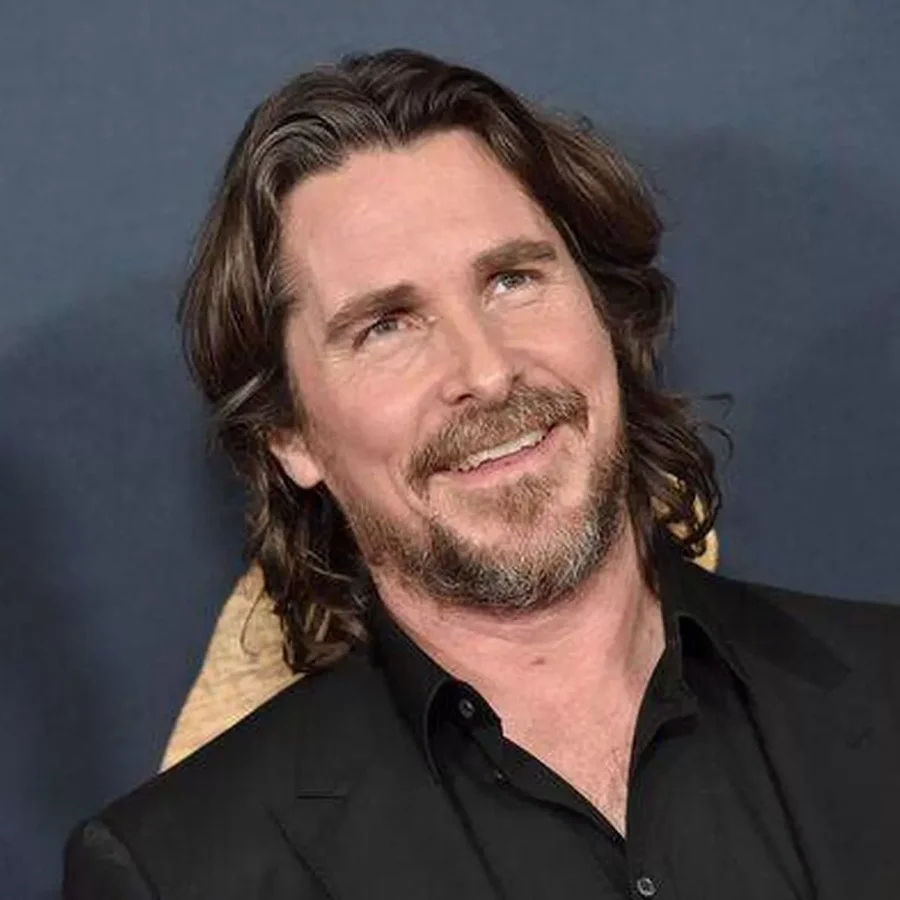
The actor later became known for his transformative approach in films such as “Batman Begins,” but even with the similarities between Bruce Wayne and James Bond—both wealthy, brooding figures equipped with gadgets—the role of Batman intrigued him in ways Bond could not. Batman was a character that could be reinvented, made darker, and approached from new creative angles, while Bond felt limited, locked into nostalgia and traditional expectations.
A Career Driven by Substance Over Celebrity
Bale’s choice to walk away from Bond illustrated his dedication to artistic substance. Throughout his career, he has consistently prioritized roles and projects that subvert expectations. For example, his portrayal of Patrick Bateman in “American Psycho” turned what could have been a straightforward horror role into an examination of shallow masculinity, guided by director Mary Harron’s distinct vision—a vision Bale continued to recognize publicly even many years later.
On the set of “American Hustle,” Bale also supported co-star Amy Adams by intervening when the atmosphere became difficult under director David O. Russell, helping to change the set’s dynamic without attracting personal attention. This behavior aligns with his pattern of choosing principle over self-promotion or passive acceptance.
Staying True Amid Public Scrutiny
Bale’s reputation includes not just his film roles, but incidents like his well-known outburst on the set of “Terminator: Salvation.” Critics have scrutinized his behavior, but beyond these moments, he is widely regarded as someone who resists Hollywood’s celebrity temptations and questions the cost of each story he brings to life. He remains focused on the meaning and impact of his choices rather than on maintaining a certain public image.
The Broader Impact of Bale’s Refusal
Christian Bale’s quiet decision to turn down Bond was not simply a missed paycheck or a skipped role. It revealed his deeper values and the integrity with which he approaches his profession. As the Hollywood industry continues to prioritize blockbuster franchises and marketable images, Bale’s career offers a distinct example of putting creative integrity above easy fame. His stance encourages discussion about what it means to truly act and the responsibilities that come with representing certain stories and worlds on screen.
