
Donnie Yen‘s Iceman movie series on Prime Video breathes new life into a rarely discussed martial arts story, offering a fresh take on an unusual genre classic that blends time travel with kung fu action. Fans can now stream both Iceman and its sequel, Iceman: The Time Traveller, on the streaming platform, giving modern audiences access to a revived version of this underappreciated saga.
Donnie Yen’s Remake Honors a Forgotten Martial Arts Tale
Donnie Yen, recognized as one of the most influential martial arts stars of recent decades, has a reputation for revisiting and revitalizing established franchises and hidden gems. Not only has Yen taken on sequels and remakes such as Legend of Chen Zhen: Return of the Fist—continuing Jet Li‘s Fist of Legend—and New Dragon Gate Inn, a retelling of the renowned Dragon Gate Inn, he has also chosen to reimagine less celebrated stories like Iceman Cometh. The original 1989 film, starring Yuen Biao and Maggie Cheung, never achieved major commercial success but amassed cult appeal due to its quirky fusion of historical kung fu and fantastical elements.
By involving himself in the Iceman project, Yen sought to spotlight Iceman Cometh’s unique qualities, both as a lead actor and as the action director, further distinguishing his versions from conventional martial arts films.
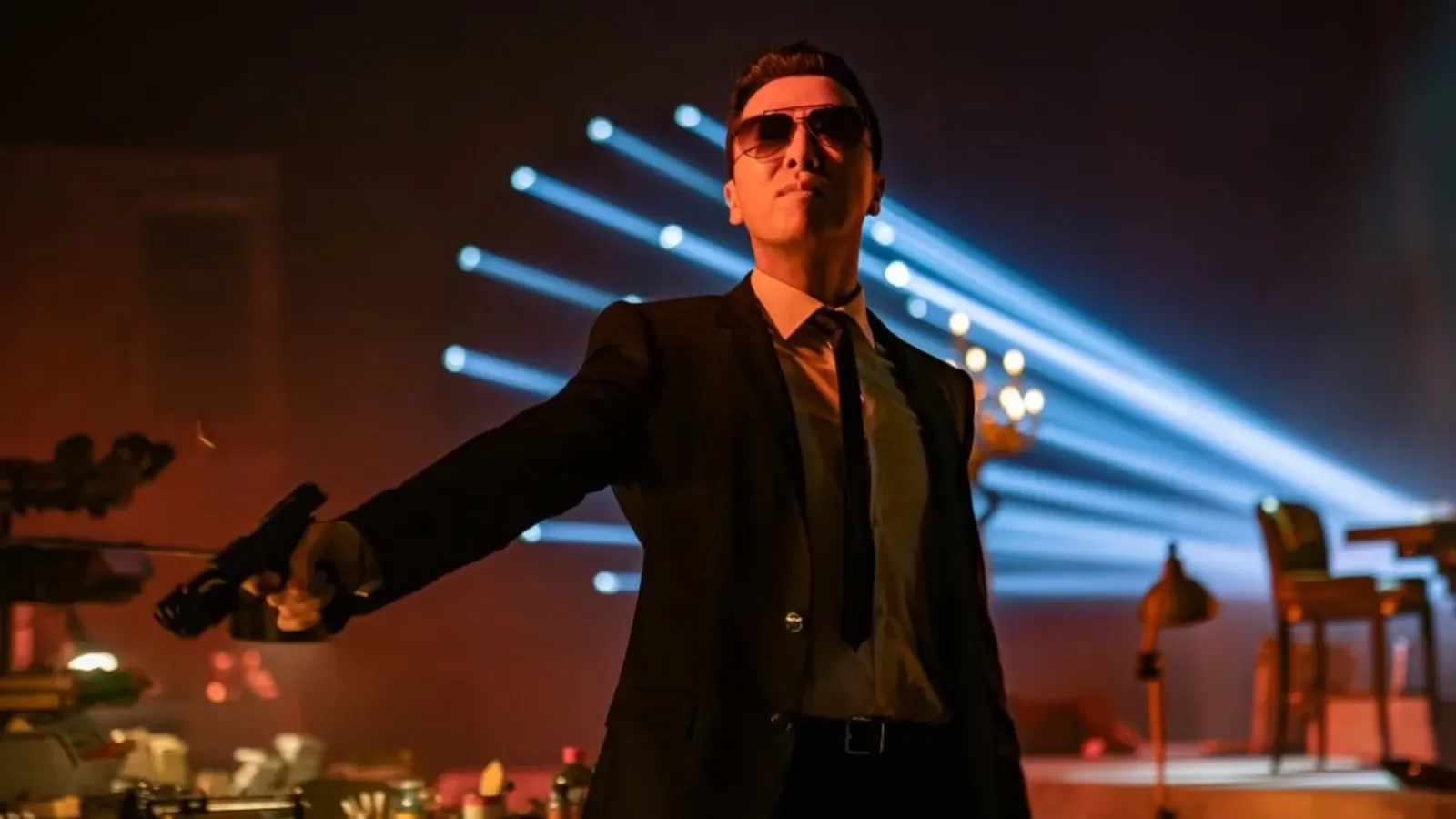
Both Iceman and Its Sequel Are Available to Stream
The journey of Donnie Yen’s Iceman began in 2014, with the Hong Kong-based film introducing a storyline that merges ancient China with the modern age. Four years later, Yen returned to the role for the follow-up, Iceman: The Time Traveller. Both movies can now be streamed consecutively on Prime Video, although viewers should be aware that only the original Chinese audio with English subtitles is available, as the English dub is not offered on the platform.
While fans might seek out the 1989 inspiration, The Iceman Cometh, it remains absent from Prime Video and other major streaming providers, making Yen’s duo the current accessible versions for most audiences. The availability of both films enables viewers to experience the entire narrative arc of He Ying in one setting.
The Story Behind Donnie Yen’s Iceman Films
The premise at the heart of Donnie Yen’s Iceman movies channels the feeling of legendary tales like Captain America: a valiant warrior from China’s Ming Dynasty, He Ying, becomes preserved in ice, only to awaken centuries later in a vastly different era. He Ying must navigate the complexities of contemporary society, coming to grips with advancements in technology and shifts in cultural norms, all while facing adversaries from his past who remain active in the new world.
In both installments, Yen not only performs as He Ying but also orchestrates the action sequences as director, shaping the martial arts spectacle the films are known for. The central narrative revolves around He Ying’s mission to recover a mystical artifact rumored to bend the rules of time itself. Once a trusted swordsman allied with three other warriors, He Ying is unjustly branded a traitor and becomes the target of former friends set against him by the Ming emperor. Their intertwining stories drive the tension and drama across both films.
Adding a layer of emotional depth is the evolving relationship between He Ying and May, portrayed by Eva Huang. May is initially motivated by self-interest, hoping to take advantage of He Ying’s lack of knowledge about modern society. Over time, however, their bond develops authentically, illustrating the film’s commitment to character as well as action.
Key Differences from the 1989 Iceman Cometh
The 1989 original, headlined by martial arts star Yuen Biao and acclaimed actress Maggie Cheung, prioritized intricate kung fu sequences and simple storytelling, relying on Biao’s acrobatic prowess for its martial arts credibility. Cheung’s role provided the modern counterpart to Biao’s displaced warrior, mirroring the dynamic seen between He Ying and May in the remakes.
Compared to its predecessor, Donnie Yen’s Iceman movies ramp up spectacle, with elaborate action scenes reminiscent of superhero blockbusters. The story expands the central conflict: whereas the original focused primarily on the rivalry between two men, Yen’s retelling widens the lens to include a quartet of warriors and pivots the focus of the time-travel narrative. The sequel even returns its protagonist to his roots in the Ming Dynasty for a new set of challenges, offering a broader and more intricate plot than the standalone 1989 film.
The original’s concise narrative was resolved within a single movie, but the modern series unfolds across two installments, allowing more time for character development and extensive world-building.
What Sets Yen’s Iceman Films Apart in the Martial Arts Genre
While not often cited among Donnie Yen’s best work, Iceman and Iceman: The Time Traveller have carved out a niche among martial arts enthusiasts. Their success lies in the playful contrasts between ancient customs and 21st-century urban life, placing He Ying in situations where his old-world sensibilities collide humorously and often touchingly with contemporary expectations.
The physicality and action choreography—hallmarks of Yen’s career—are on full display through inventive fight scenes, which are enhanced by the integration of fantastical settings. Audiences are treated to a cinematic blend of modern action film tropes and classical martial arts storytelling, resulting in an unexpected yet engaging blend that sets these movies apart from straightforward genre entries.
The evolving dynamic between He Ying and May supplies the narrative with an emotional core, as their backgrounds and motives gradually align, underscoring universal themes of adaptation and trust.
The movies are also an example of how classic stories can be reshaped. For instance, Jet Li’s earlier martial arts successes inspired sequels featuring fresh takes by other well-known stars, much as Yen does here for Iceman Cometh.
The Prospects of a Third Iceman Film
Despite Iceman: The Time Traveller ending on an unresolved note that hints at further adventures for He Ling, there is little indication that a trilogy is in the works. The sequel’s underperformance at the Chinese box office and the absence of momentum around a new installment mean the series is likely to remain a two-part story for the foreseeable future.
The Iceman films have given Donnie Yen’s fans and lovers of martial arts classics a chance to revisit a nearly forgotten narrative, adapting its premise to new cinematic and cultural contexts while maintaining the genre’s core appeal. As both movies reach wider audiences through Prime Video, their legacy as unique, if unconventional, martial arts adventures continues to grow.
