
Harrison Ford almost cast in Big instead of Tom Hanks is a Hollywood “what if” with major implications, as 1988’s Big became a critical and financial success thanks to Tom Hanks’ iconic Oscar-nominated performance. The film, directed by Penny Marshall, grossed over $151 million, but behind the scenes, producers nearly chose Ford for the lead, a decision that could have changed movie history.
How Tom Hanks Became the Star of Big Despite Initial Studio Plans
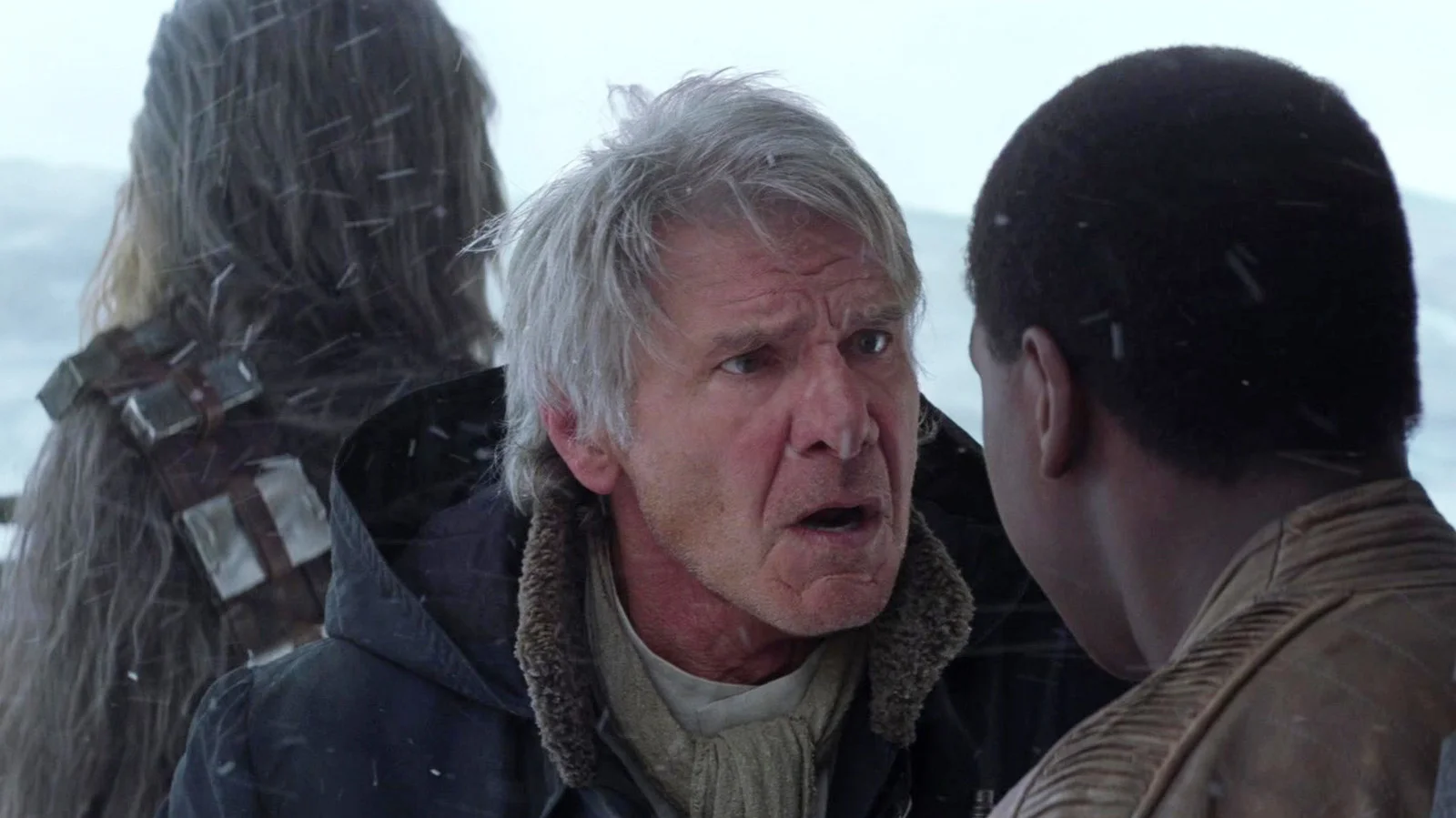
Before Tom Hanks was confirmed as the adult version of Josh Baskin, a 13-year-old magically transformed into a grown man, the studio considered multiple actors for the role of Josh. Harrison Ford was high on their list, especially as executives envisioned the combination of Ford and Spielberg repeating the chemistry of their Indiana Jones collaborations. Anne Spielberg, Steven Spielberg’s sister and the film‘s story originator, influenced the project’s early direction, with hopes that Ford would lead and Steven Spielberg would direct.
Penny Marshall, who would ultimately direct Big, always wanted Hanks for the part. However, Hanks was unavailable at first due to filming on Dragnet. Meanwhile, Steven Spielberg, though enthusiastic about the script, had to pass because of commitments to Empire of the Sun. This left the door open for the studio to aggressively pursue Ford for the lead, as reported by The New York Times.
The list of contenders didn’t stop with Ford. Kevin Costner and Michael Keaton both declined the role when Hanks could not commit. John Travolta, another choice advocated by Marshall, was dismissed by studio decision-makers because his recent box office results were underwhelming.
Robert De Niro participated in screen tests and nearly secured the part, but salary negotiations derailed the casting, as De Niro’s requested $6 million exceeded what the studio would pay. Eventually, after these options fell through, Hanks became available again and agreed to take the pivotal role for $2 million. This cleared the way for what would become one of the most memorable performances of his career.
Financial and Critical Triumph: Big’s Impact on 1980s Hollywood
The financial success of Big was remarkable, earning $151.7 million worldwide from an $18 million budget, making it the first $100 million-grossing film directed by a woman. Critics lauded the film, especially Hanks, whose nuanced portrayal of a boy trapped in an adult’s body resonated with viewers and garnered major accolades, including an Oscar nomination for Best Actor. His ability to channel youthful energy and innocence into the role was seen as key to the film’s widespread appeal.
The dynamic would likely have been far different with Ford in the role. Ford, while a celebrated actor best known for mature, stoic characters in blockbusters like Indiana Jones, may have struggled to project the same youthful charm and vulnerability necessary for Josh Baskin’s character. The studio’s near-miss with this casting choice was widely considered a bullet dodged, as Hanks’ specific approach and comic timing elevated the story in a way that few others could.
Behind the Scenes: Marshall’s Vision and Hanks’ Dedication
Director Penny Marshall’s creative process was instrumental to the film’s unique tone. To help Hanks, she filmed the entire movie’s scenes with child actor David Moscow, then provided these tapes so Hanks could watch and study how a real 13-year-old behaved in each scenario. This method gave Hanks the reference points to convincingly embody a child’s mannerisms and innocence, which ultimately informed his approach throughout shooting. As a result, Hanks’ performance felt not only authentic but also deeply rooted in Marshall’s original intentions for the character, which stood in contrast to what other actors, including Ford, might have delivered.
The film’s production process involved ongoing improvisation, with Marshall encouraging her actors to experiment and find genuine moments in their scenes. Hanks, working from Marshall’s two-word character directive—“innocent and shy”—often crafted his reactions in real time, lending a raw freshness to key moments in the story.
Improvisation and Iconic Moments: The Influence of Tom Hanks
Elizabeth Perkins, Hanks’ co-star who played his love interest, recalled a poignant example of Hanks’ improvisational instincts that made the film so believable:
“He walks through the door in a white tuxedo, and the first choice he makes is, ‘Everyone’s staring at me. Is my fly open?’ That was all Tom Hanks. Penny is one of those directors who says, ‘let’s just do it again and see what happens.’ So, there was an enormous amount of play, which really allowed Tom to find those adolescent moments that made you believe he was 13.”
—Elizabeth Perkins, Actress
Perkins also shared an anecdote from the trampoline scene. The spontaneous atmosphere encouraged Hanks to contribute playful, adolescent touches, including a nearly inaudible and improvised line:
“Let me move my big balls”
—Tom Hanks, Actor (Reported by Perkins)
These moments, small as they seemed, were a reflection of both Hanks’ dedication to the role and Marshall’s ability to foster an environment of creativity. It is widely acknowledged among the cast and crew that these touches authenticated Josh Baskin’s character, cementing Hanks’ performance as pivotal to the film’s emotional resonance and commercial achievement.
The Significance of a Casting Choice: A Movie Legacy Defined
The near-casting of Harrison Ford in Big instead of Tom Hanks remains a telling example of how a single decision can alter the course of film history. With key figures such as Penny Marshall, Steven Spielberg, Robert De Niro, and Elizabeth Perkins all playing roles in the casting process, the film’s final outcome owed much to timing, chance, and creative insight. Hanks, through his childlike authenticity and improvisational skills, delivered a performance that became both a standout in his career and a defining moment for 1980s cinema.
Today, Big is recognized as a milestone in film, not only for its financial and critical milestones but also for highlighting the risks and rewards of Hollywood casting. The movie, now available on Disney+, continues to be a touchstone for actors and directors alike when considering how the right actor, at the right time, can turn a project into cultural gold.
