
Kevin Costner’s reaction to his Jonathan Kent role in Man of Steel was complex and initially fraught with disappointment when he first read the script, feeling conflicted about the direction given to his character in Zack Snyder’s 2013 reimagining of the Superman franchise. Although Costner ultimately found meaning in portraying Superman’s human father, his first impression of the role starkly contrasted with his later perspective, revealing the emotional turbulence experienced by one of Hollywood’s leading actors in tackling a unique part.
Kevin Costner’s surprising first impression of the Man of Steel script
Kevin Costner, an Oscar-winning actor renowned for depicting ordinary Americans in Western dramas and contemporary films, was approached to play Jonathan Kent, Superman’s adoptive father, in the DC film Man of Steel. This film marked the studio’s attempt to breathe new life into their iconic superhero legacy, casting Henry Cavill as the new Superman and Diane Lane as Martha Kent, Clark Kent’s mother. Yet, for Costner, joining the superhero genre did not bring the instant excitement some might expect.
Reading the script for the first time, Costner felt disheartened, particularly because his character stood out amid a cast full of extraordinary beings due to Jonathan Kent’s complete normalcy and absence of any superhuman gifts. As an actor often celebrated for portraying gritty, salt-of-the-earth characters, Costner confronted a sense of disappointment about both the mundanity of his character and the missed opportunity to take part in the flashy aspects of a superhero film.
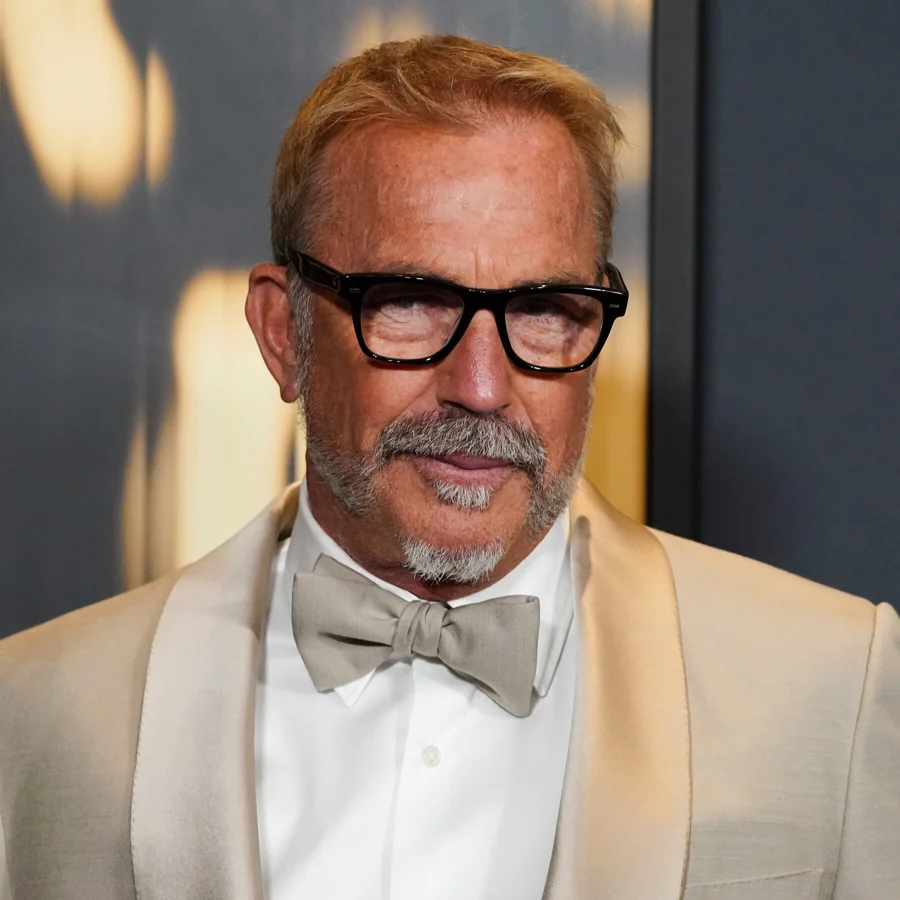
“It’s just my luck to be in a superhero movie and be the only person that’s normal… I was like, ‘Really? I can’t fly? And I can’t put my fist through the wall? Maybe I should have read this thing closer. I’m a farmer?’”
—Kevin Costner, Actor
This frank reaction underscored Costner’s initial regret over accepting a role that seemed to lack the power and excitement one might expect from joining a high-profile superhero franchise. The reality of portraying a Midwestern farmer, versus wielding mythic strength and abilities, set him at odds with the expectations often attached to superhero films in Hollywood.
Rethinking Jonathan Kent: From disappointment to acceptance
Despite the letdown he felt at first, Costner’s years of experience granted him a deeper understanding of character nuance. He reconsidered the possibilities of bringing humanity and emotional grit to the role, qualities that had defined his career. Upon reflecting, Costner recognized that Jonathan Kent’s grounded presence was central to the film’s story, particularly as a moral anchor in the tumult of interplanetary drama.
Drawing from his distinguished body of work, especially roles that celebrated the determination and honesty of working-class Americans, Costner realized he was uniquely suited to add depth to Jonathan Kent’s character. While the superhero narrative unfolded with spectacular battles and powers, his character’s more understated heroism lay in guiding and shaping Superman’s values amid ordinary life on Earth.
Audiences witnessed Jonathan Kent’s moral clarity as he persisted in urging Clark Kent to conceal his powers for his own safety and the protection of others. This theme reached a pivotal moment halfway through the film when Jonathan faces a catastrophic event: his own death during a tornado, choosing not to let his son reveal his powers even to save him. The event was both stirring and contentious, creating debate about whether this represented wisdom or stubbornness on Jonathan’s part.
“I thought it was rooted in doubt. But there was no doubt that he puts his hand up and says, ‘Stay there’ to his son.”
—Kevin Costner, Actor
Costner accepted that Jonathan’s end was a key moment for the film, providing the character actor with the chance to infuse the role with intense emotion and self-sacrifice. His willingness to depict the deep, internal struggle in Jonathan Kent’s choices contributed to the film’s profound emotional undertone, emphasizing the cost and responsibility tied to Clark’s hidden powers and alien heritage.
The director’s vision for casting Kevin Costner as Superman’s father
Director Zack Snyder, recognized for his commitment to reimagining beloved heroes with gravitas, addressed the casting decisions for Man of Steel, explaining that Costner—and his on-screen partner, Diane Lane—were carefully chosen to foster an emotional foundation for the story. By selecting actors celebrated for their intense and sincere performances, Snyder aimed to ground the narrative in realism and emotional complexity, setting a serious tone for the rebooted franchise.
“I think the thing you realize when you look at Diane and Kevin, in our decision to cast them so far, you sort of get a sense of how tonally we’re looking at the movie, and what you realize is that those guys are serious actors, and we’re taking this s**t f*****g seriously in terms of the tone of having those guys.”
—Zack Snyder, Director
The director’s emphasis on the importance of casting underscored how significant the roles of Jonathan and Martha Kent were for shaping Clark Kent’s journey and for grounding Superman’s story within authentic, relatable human drama. Snyder saw Costner’s approach, with its nuance and emotional weight, as the perfect vehicle to transform Superman’s backstory from mere fantasy into a compelling tale of sacrifice and upbringing.
Costner’s portrayal, therefore, not only influenced the dynamics among the Kent family but also served to humanize Henry Cavill’s Superman, connecting the alien superhero to the struggles and values recognizable to viewers. The pivotal death scene in the tornado became a defining moment, blending emotional turbulence and self-denial, and highlighting the weight of the decisions made by both father and son. This aspect was further fueled by the tension and emotionality inherent in the script, amplified by the caliber of the actors involved.
The long-term impact of Costner’s conflicted reaction and performance
Costner’s initial negative response to the script transformed with time as he explored what he could offer the character, blending his signature working-class ethos with a deep understanding of sacrifice and emotional gravitas. His journey from disappointment to creative fulfillment highlights the value of human vulnerability even within fantastical narratives, proving that powerful storytelling stems not only from superhuman feats but also from ordinary acts of love, protection, and selflessness.
The legacy of his portrayal in Man of Steel is evident in the lasting debate around Jonathan Kent’s actions and the film’s depiction of difficult moral choices. His willingness to take on a seemingly thankless role and elevate it speaks to Kevin Costner’s status as an actor deeply invested in authenticity, aligning with Zack Snyder’s vision for a more emotionally resonant Superman franchise. Today, audiences can watch Man of Steel on streaming platforms like Hulu, revisiting Costner’s significant contribution to the DC universe and reflecting on the impact of grounding superheroes in real, relatable emotions.
Kevin Costner’s reaction to his Jonathan Kent role in Man of Steel ultimately stands as a testament to the unpredictable challenges actors face, the significance of casting in shaping a film’s core, and the enduring importance of human experience within stories of extraordinary beings.
