
Leonardo DiCaprio meltdown over fake moustache on set became one of the most memorable behind-the-scenes moments during the filming of
“Once Upon a Time in Hollywood.”
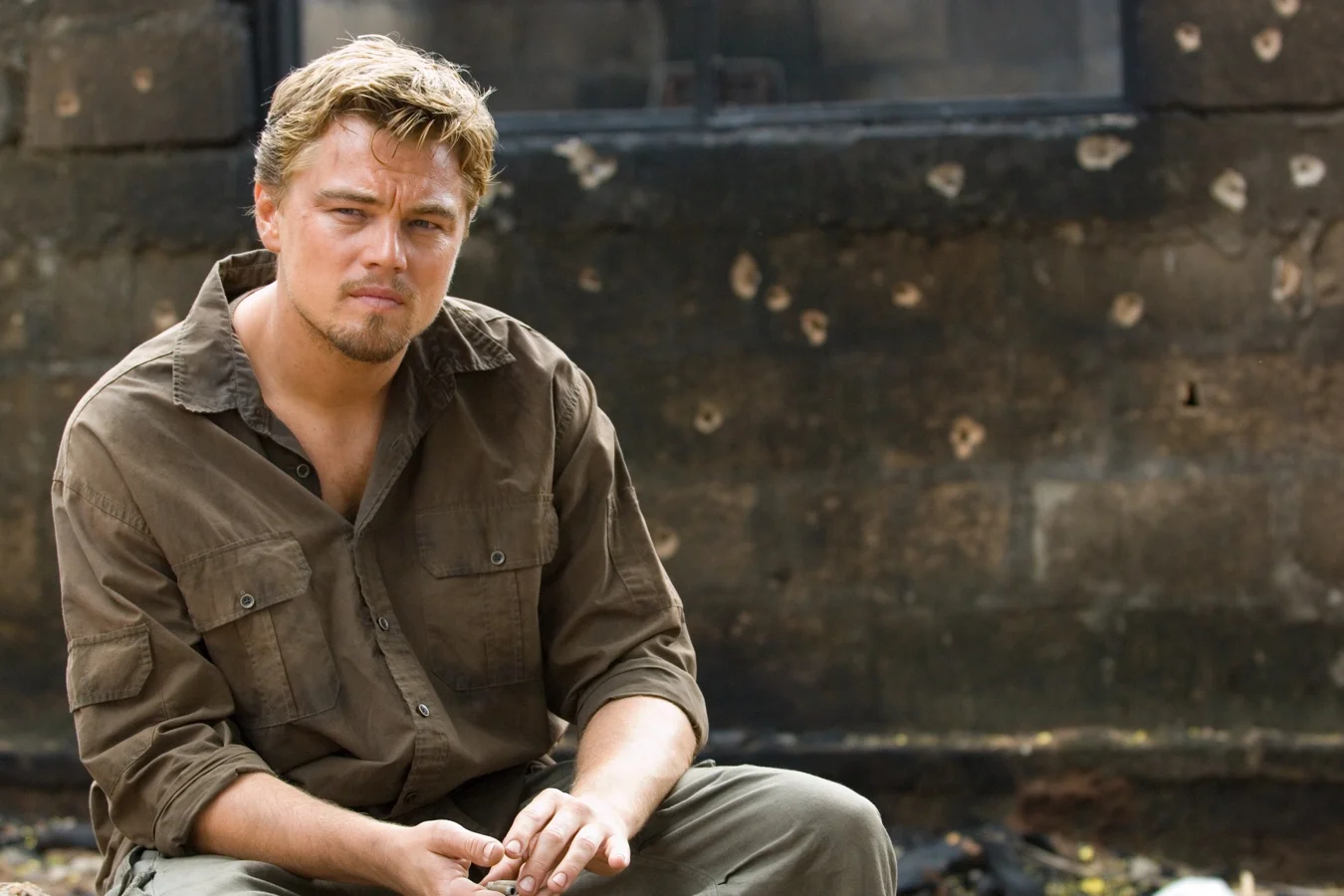
The incident occurred as DiCaprio tried to embody Rick Dalton, a struggling TV actor, under director Quentin Tarantino’s sharp eye in late-1960s Hollywood, only for a simple prop—a fake moustache—to spiral into real frustration and discomfort.
A Challenge on Set for a Seasoned Actor
Before taking on the role of Rick Dalton, Leonardo DiCaprio had already collaborated with legendary directors such as Steven Spielberg, Baz Luhrmann, Alejandro González Iñárritu, and frequent creative partner Martin Scorsese. He had previously played Calvin Candie, a chilling plantation owner in Tarantino’s “Django Unchained,” marking one of his rare turns as a villain. Returning to Tarantino’s world with
“Once Upon a Time in Hollywood,”
DiCaprio was no stranger to immersive, detail-driven productions.
The film‘s atmosphere was rich with the flair of the late 1960s, featuring vivid attire, classic cars, and music echoing through every scene. However, while the era was brought to life, the journey for DiCaprio was far from seamless. The fake moustache designed for his character turned into a genuine ordeal under the California sun. Rather than a discreet facial prop, the piece was thick and coarse, making it difficult for the actor to perform comfortably, as it repeatedly found its way into his mouth and stuck to his lips, especially during extended takes or heated scenes.
The Makeup Team’s Drive for Authenticity
The elaborate facial hair was crafted by makeup artist Siân Grigg, who had previously worked closely with DiCaprio on films like “The Revenant.” Grigg was committed to delivering a convincing 1970s-style look, especially for the western segment filmed within the movie’s plot. The quest for historical accuracy, however, resulted in a level of discomfort not typically expected on a modern movie set.
“We were copying the style of films shot in that period and also covering Leo’s character up to look different and unrecognisable, which in the movie he’s not used to.”
—Siân Grigg, Makeup Artist
Grigg’s deliberate design aimed to make Rick Dalton appear out of place and almost unrecognizable, aligning with the film’s intention to highlight the character’s declining confidence and sense of alienation. For an actor as invested in his on-screen presence as DiCaprio, being buried under exaggerated facial hair proved testing, touching off an on-set experience where his frustration with the moustache mirrored Rick Dalton’s own struggles with identity.
Significance in Hollywood Storytelling
This behind-the-scenes clash over a single prop highlights the lengths film productions—and dedicated actors like DiCaprio—go to for authenticity. The ordeal not only made the fictional struggles of Rick Dalton feel more real, but it also demonstrated the sometimes unseen emotional toll that minor creative choices can take on performers. As Quentin Tarantino’s attention to period detail pushed his lead actor to genuine irritation, the result was a performance and production story that fans and industry insiders continue to discuss. The challenges faced by DiCaprio, supported by Siân Grigg’s commitment to her craft, add yet another layer to the film’s legacy and the stories that shape Hollywood itself.
