
Nathan Fillion recently shared an unexpected truth about his character in the upcoming Superman reboot: the Nathan Fillion Green Lantern Guy Gardner origin and trauma storyline includes Gardner being hit by a bus. This strange yet comic-accurate revelation, discussed on the DC Studios Podcast, points to a deeper dive into the source material for James Gunn’s new DC Universe, where offbeat character details influence the portrayal of flawed heroes.
During the podcast, Fillion detailed how Guy Gardner’s experience with trauma is not simply a quirky backstory, but an essential part of the character’s development. In pre-Crisis comic continuity, Gardner was left in a coma after bravely trying to save a student from an oncoming bus. This incident caused significant alterations to his personality, transforming him from an upstanding member of the Green Lantern Corps to someone fundamentally changed by brain trauma.
“Part of his origin was he was, at one point, hit by a bus and was in a coma… So I just say that’s the thing that flipped the switch. That’s the thing that caused a little bit of brain damage. Now he’s just…off a little bit.”
—Nathan Fillion, Actor
James Gunn and Fillion are signaling a commitment to honoring the complexities behind Guy Gardner’s character. Bringing this element into live-action aims to capture audiences with a nuanced portrayal that aligns with some of the most pivotal moments from the Green Lantern comics and may challenge how moviegoers perceive Gardner going forward.
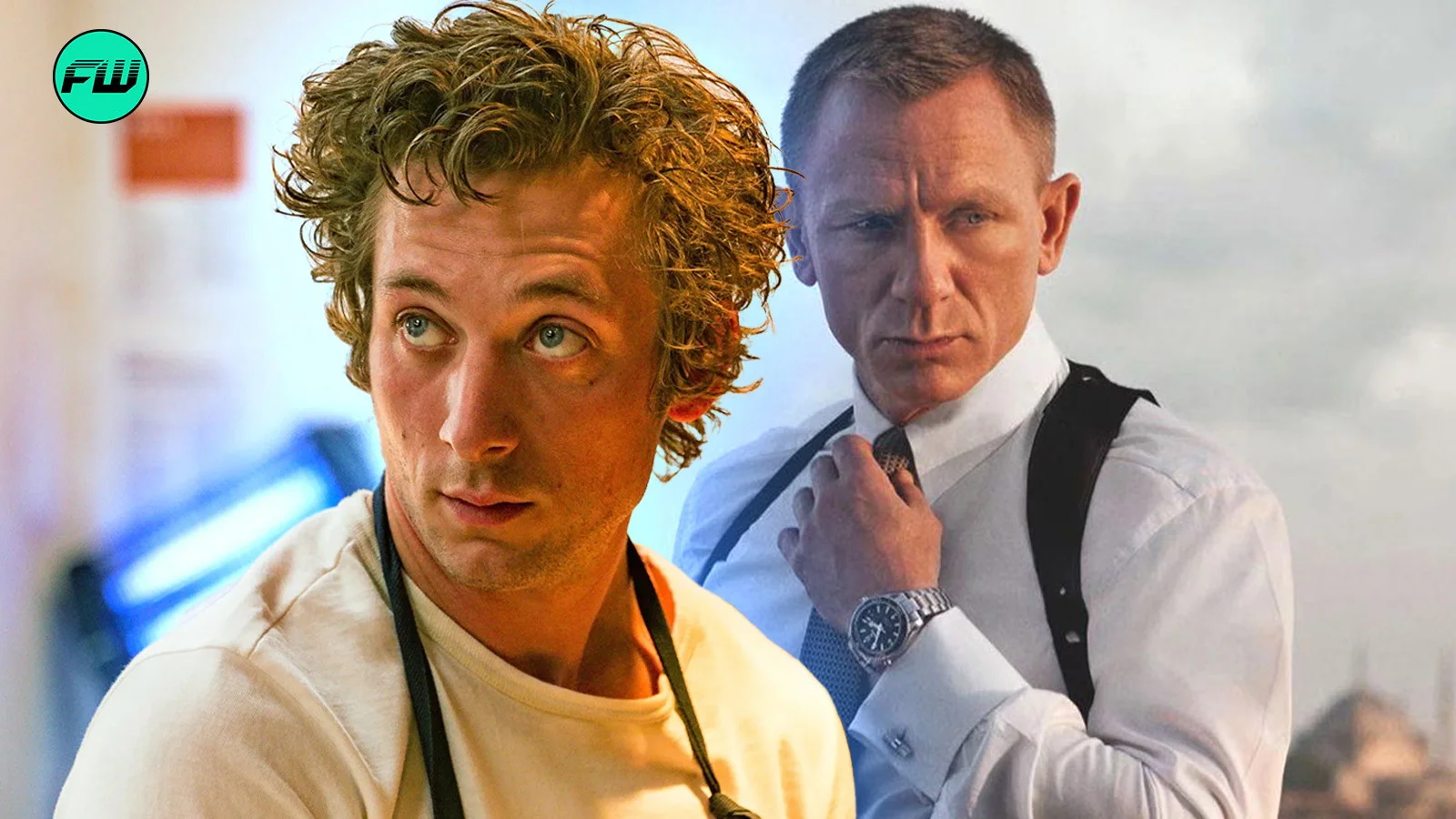
Guy Gardner’s debut in the new Superman film, scheduled for July 11, 2025, marks his first appearance in the reshaped DCU. He is also set to return in Peacemaker Season 2, and speculation surrounds his potential for a more influential supporting role in Lanterns, the upcoming HBO Max series featuring Hal Jordan and John Stewart. These projects are expected to continue building on the intricate narrative Gunn and Fillion have begun, tying together trauma with evolving heroism in the DC Universe.
How a Devastating Bus Crash Rewrote Guy Gardner’s Destiny
Guy Gardner was first introduced to readers as Hal Jordan’s backup, an ideal and stable member of the Green Lantern Corps. Back in Green Lantern Vol. 2 #59, he was regarded for his noble spirit and readiness to serve. However, this life changed forever after a catastrophic bus accident caused by an earthquake, which left him hospitalized in a coma and profoundly altered his mind and personality.
The repercussions of this event did not end there. Gardner’s subsequent encounters in the comics, like being trapped in the Phantom Zone (as written in Green Lantern Vol. 2 #123), subjected him to further psychological strain. While trapped, he was not only manipulated by General Zod but later by Sinestro, compounding the trauma and permanently affecting his behavior.
After these harrowing events, Guy Gardner emerged as anything but the model lantern. Instead, he became known for his brash, unpredictable attitude, with flashes of loyalty hidden beneath layers of volatility. His comic arc delved deeper, showing a history of family conflict marked by an abusive father and living under the shadow of a favored brother. This pattern helped explain his defensive, challenging persona, distinguishing him from stoic colleagues like Hal Jordan and John Stewart.
Through Nathan Fillion’s performance, Guy Gardner is depicted not as mere comic relief, but as a deeply damaged individual. His flaws are framed as consequences of personal history—both the trauma of the bus accident and a childhood scarred by adversity—leading him to mask his vulnerabilities with brash overconfidence.
A Gritty Take on Heroism in Gunn’s DCU
If the creative direction continues to center trauma as a crucial part of Guy Gardner’s character, it would reinforce a recurring theme in James Gunn’s adaptations. Gunn is known for exploring stories of outcasts and unlikely heroes, as seen in franchises like Guardians of the Galaxy and Creature Commandos. In these tales, hardships and emotional wounds are not just narrative devices, but the engines that give characters their depth and relatability.
This approach suggests a broader storytelling vision for the evolving DCU, where even superheroes like Gardner must navigate the long-lasting impact of trauma. Instead of presenting heroes who simply triumph over obstacles, this universe explores how adversity fundamentally changes people, for better or worse. If future series like Lanterns continue to address the consequences of Guy Gardner’s early traumas, audiences may find him one of the richest and most unexpectedly tragic characters in the modern superhero landscape.
As anticipation builds for Gardner’s introduction in Superman and his potential expanded role alongside Hal Jordan and John Stewart in Lanterns, fans can expect a version of the Green Lantern legacy that is both intensely personal and boldly unconventional, set apart by the raw, lingering effects of a single catastrophic event.
