
Peter Dinklage cast as villain in The Boss stands out as an unexpected decision in Hollywood, with Jon Hamm and Sandra Bullock both being early contenders for the role that eventually turned into a missed opportunity they may be grateful for, as the film’s poor performance became apparent after its release in the United States in 2016. The film, led by Melissa McCarthy, was criticized for its muddled direction and left a legacy more notable for its behind-the-scenes casting drama than for its box office results.
High-Profile Competition for the Antagonist Role in The Boss
Before The Boss arrived in theaters, industry buzz centered around which star would land the film’s chief antagonist. The studio’s indecision over whether to cast a man or woman for the part led to an eclectic shortlist that included Peter Dinklage, Sandra Bullock, Jon Hamm, and even Oprah Winfrey—all with vastly different screen personas. This unusual casting process, revealed in a 2015 Variety report, highlighted the producers’ struggle to define the direction and tone of their villain.
Ultimately, the filmmakers chose Peter Dinklage, widely recognized for his commanding presence on Game of Thrones, to portray Ronald. Ronald is Michelle Darnell’s rival and ex-lover—an ambitious businessman relentlessly holding a grudge against her. He is described as having a complex blend of bitterness, a fascination with samurai culture, and a flair for the dramatic, resulting in a character whose motivations and quirks set him apart from typical on-screen antagonists.
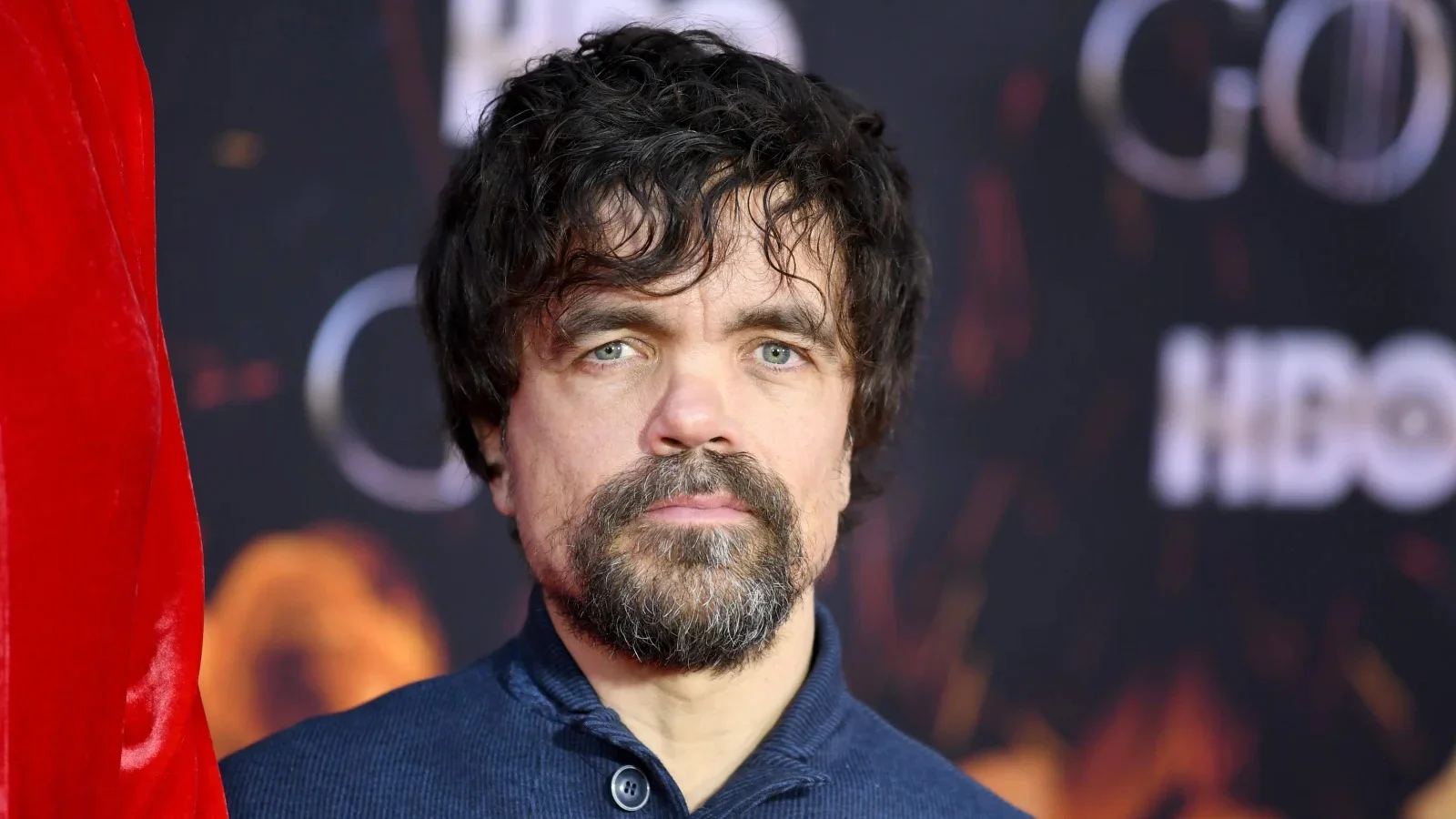
Melissa McCarthy’s central character, Michelle Darnell, is pitched as a disgraced tycoon seeking redemption after serving time for insider trading. Ronald’s role as both a business competitor and a former romantic partner created a dynamic clash that the filmmakers hoped would elevate the film’s comedic stakes. The production’s effort to secure a high-wattage presence for the villain speaks to the importance they placed on this role, and Dinklage was ultimately tasked with injecting gravitas and eccentricity into every scene he appeared in.
The Movie’s Stumble and the Fallout for Its Stars
The Boss struggled to translate its offbeat casting into box office or critical success. With a disappointing 22% critic score on Rotten Tomatoes, the film quickly gained a reputation for being unfocused and for missing the mark in both humor and story. Despite Melissa McCarthy’s established reputation for physical comedy and improvisation, the narrative’s inconsistencies became a sticking point for reviewers.
Ben Falcone, the director and McCarthy’s frequent collaborator, was unable to pull the disparate pieces together, resulting in a disjointed plot and tone that left even seasoned critics at a loss. While some reviews noted McCarthy’s comedic timing, others pointed to the waste of supporting talent, particularly Peter Dinklage, who found himself confined by a character whose complexity on paper didn’t resonate on screen.
The film’s antagonist, Ronald—Dinklage’s role—was intended to serve as both foil and narrative catalyst, but his exaggerated traits and muddled motivations made the character more confusing than compelling. This failure to fully realize the potential of its cast ultimately weighed down The Boss, overshadowing its moments of humor with a sense of missed potential.
Why Passing on The Boss Was Fortunate for Jon Hamm and Sandra Bullock
For Jon Hamm and Sandra Bullock, both of whom have cultivated reputations for discerning role choices, skipping The Boss may have unintentionally protected their careers from a high-profile misstep. The casting process demonstrated the studio’s uncertainty about the direction of the story, wavering between gender options and ultimately asking some of Hollywood’s most bankable actors to consider a part that lacked a clear vision.
The outcome proved to be a critical misfire. The role that Dinklage accepted, and which Bullock and Hamm turned down, became infamous for the challenge it presented even to a decorated performer. Dinklage’s talents, so often praised for their intensity and nuance, were ultimately not enough to lift the film out of mediocrity. The fact that the studio considered such a wide range of actors—from Sandra Bullock to Oprah Winfrey—further reflected its lack of direction.
Despite a modest worldwide gross of $78 million, The Boss’s performance marked it more as a cinematic cautionary tale than a highlight for anyone involved. Viewers and industry observers alike have questioned what might have happened if a different person landed the antagonist role, but hindsight suggests Bullock and Hamm’s absence from the project was no great loss—indeed, possibly a benefit to their professional trajectories.
The Lasting Impact of The Boss and Unanswered Questions
The aftershocks of The Boss reveal ongoing curiosity about why such an ensemble of contenders was considered for the villain role, and what the producers hoped to accomplish by blending so many different star personas into the casting debate. The combination of unclear vision, tonal inconsistency, and a script unable to match its actors’ talents ultimately rendered the project forgettable. The character of Ronald, once seen as a creative opportunity, instead highlighted the pitfalls of convoluted storytelling and indecisive casting choices.
The Boss remains available for streaming on Hulu in the United States, but it stands as a reminder of how even highly-anticipated projects with notable talent can falter when creative direction is lacking. For Peter Dinklage, Sandra Bullock, and Jon Hamm, the story of The Boss underscores the unpredictability of Hollywood careers, where roles offered and roles declined can sometimes define an actor’s legacy more than the projects they are known for. The story serves as a somber case study in what happens when vision and execution drift apart, urging studios and stars alike to weigh their choices with caution.
