
Ryan Coogler discusses future of Sinners franchise, sharing with fans that the acclaimed supernatural drama likely will not become the multi-film saga many had expected. Speaking following the film’s standout box office run and critical praise, Coogler explained his distinctly personal reasons for keeping Sinners as a singular, contained story—and why even the film’s open ending does not signal an inevitable follow-up.
Sinners’ Phenomenal Reception Sparks Sequel Demand
When Sinners premiered in theaters, the film’s haunting blend of historical drama and supernatural horror captured widespread attention. Set in the 1930s American South, Sinners offered a narrative dense with tension, spirituality, and symbolism, immediately prompting speculation about its potential as the start of a franchise. The film’s remarkable critical acclaim and earnings—exceeding $350 million globally—only added to the chorus of voices hoping for a sequel.
The conclusion of Sinners, including an ambiguous post-credits scene, left fans theorizing that more was to come. In Hollywood, it’s become almost automatic for successful films to give birth to new instalments, especially when they leave narrative doors ajar. Yet with Sinners, the director took a different stance.
Coogler Reveals His Stand: Not Every Film Needs a Franchise
During a recent conversation with Ebony Magazine, Ryan Coogler clarified that he never intended for Sinners to evolve into a series. Fans familiar with his track record on franchise successes like Creed and Black Panther might have believed a Sinners sequel was inevitable. However, Coogler’s outlook on this project stood in contrast.
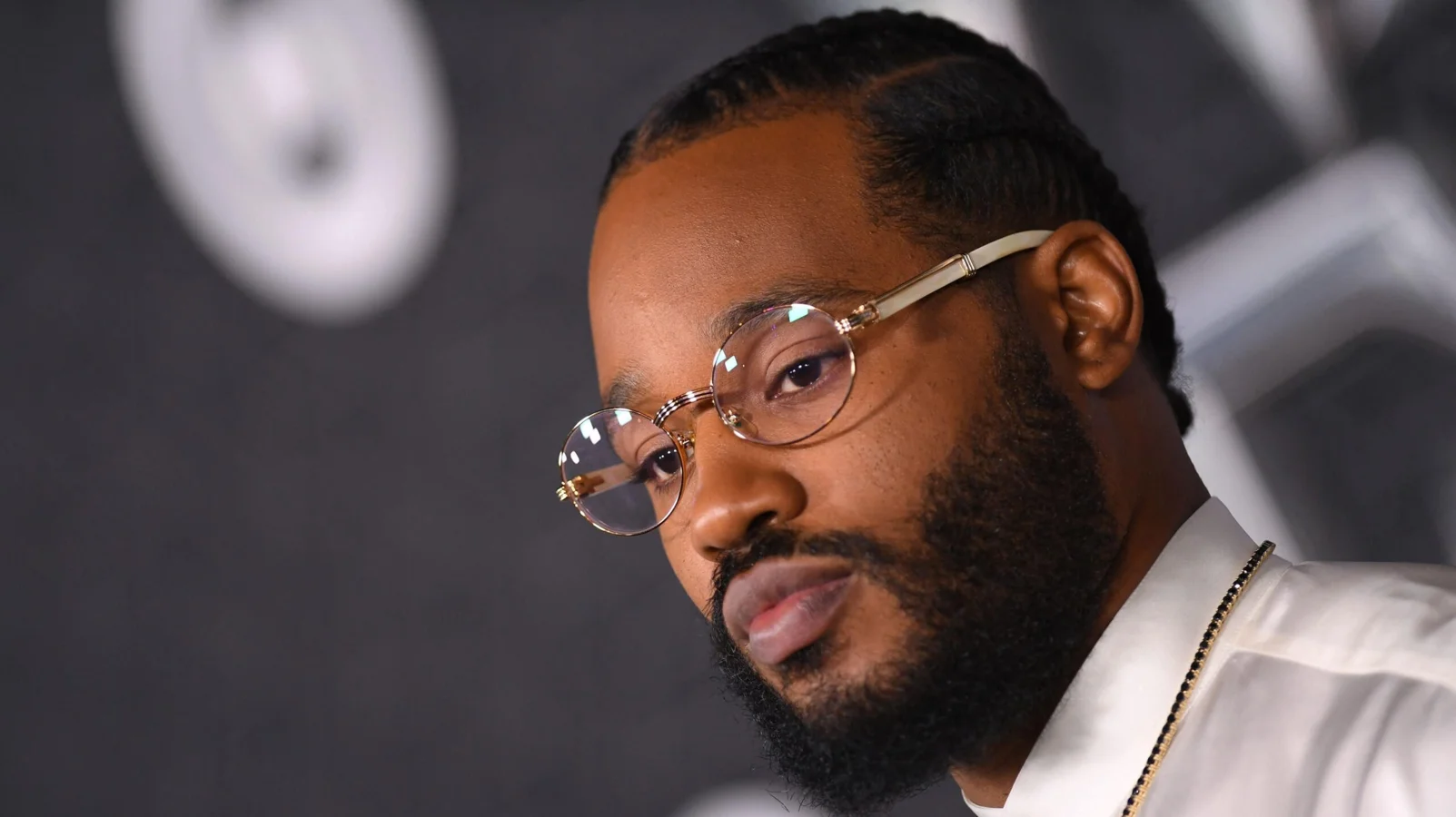
“I’ve been in a space of making franchise films for a bit, so I wanted to get away from that,”
he shared. —Ryan Coogler, Director
He further explained,
“I was looking forward to working on a film that felt original and personal to me and had an appetite for delivering something to audiences that was original and unique.”
—Ryan Coogler, Director
For many fans, this message was unexpected and perhaps even disappointing. It’s not just that the audience hoped for more; the way Sinners interwove history, supernatural elements, and powerful performances made the story feel naturally expandable, as though the world Coogler had created deserved deeper exploration. Yet, Coogler resolutely stuck by his artistic vision, emphasizing narrative completion over enterprise expansion.
Creative Control Over Commercial Pressures
Coogler has long demonstrated a unique ability to navigate Hollywood’s appetite for sequels with his own creative ambitions. On Sinners, he made a conscious break from his previous franchise-oriented work.
“I wanted the movie to feel like a full meal: your appetizers, starters, entrees and desserts, I wanted all of it there. I wanted it to be a holistic and finished thing. That was how I was asked all about it. That was always my intention,”
he explained. —Ryan Coogler, Director
The film’s structure, meticulous storytelling, and thematic layering reflected this desire. Not only did Sinners succeed financially and with critics, but it was also considered one of Coogler’s most daring and uncompromising films. Rather than chasing established industry formulas, he prioritized completeness and authenticity, setting an example for narrative integrity in an era where nearly every hit becomes a franchise.
Unprecedented Deal Secures Director’s Integrity
Coogler’s dedication to creative independence is not just philosophical—it’s contractual. He secured an agreement with Warner Bros. granting him full artistic control, a share of profits from the first dollar, and—most notably—copyright reversal after 25 years. This means that ownership of Sinners would revert completely to Coogler, releasing him from any obligation to stretch the film into a franchise by studio mandate.
Such a move is rare in today’s studio environment, where successful titles often get caught up in a cycle of sequels and spin-offs. By ensuring that Sinners remains his own, Coogler has doubled down on preserving the personal vision that made the film striking and left an indelible impact on audiences.
The Balance Between Audience Hope and Artistic Closure
While the ambiguous ending and hints in the post-credits scene have kept curiosity alive, Coogler’s decision leaves some fans at a loss—torn between hope for more and respect for a story that feels truly concluded. Some view his refusal as a missed chance, while others interpret it as a demonstration of integrity not often seen in major film releases.
The contrast here is stark: on one side, a filmmaker determined to protect his creation from the familiar wear and tear of sequels; on the other, an eager audience yearning to return to a unique cinematic world, even if it risks diminishing what made the original so powerful. Coogler, aware of these competing desires, seems to have crafted a film that leaves space for imagination while refusing to compromise its core message.
Why Coogler’s Decision Matters in Today’s Industry
In the age of cinematic universes and never-ending franchises, Coogler’s approach to Sinners stands out as almost radical. By drawing a line and emphasizing a singular narrative experience, he challenges Hollywood’s prevailing commercial norms. Sinners is more than a period horror film with bold aesthetics—it’s a declaration of identity and a testament to artistic control that resists dilution by unnecessary sequels or expanded universes.
While not everyone will agree with this direction, the conversation itself signals Sinners’ cultural resonance. Audiences may long for more, but in denying a quick sequel, Coogler leaves fans with a rare sense of completion—and a work that may be remembered as much for what it doesn’t become as for what it already is.
