
In a bold move for streaming television, Tony Gilroy‘s $650 million Andor Star Wars budget highlights Disney’s willingness to take financial risks in the face of changing industry attitudes, as revealed during a recent discussion at the ATX Television Festival. Despite Disney executives telling Gilroy that “streaming is dead,” the company ultimately devoted significant resources to bring the 24-episode Star Wars prequel series to life, raising questions about the future direction of major entertainment investments.
Gilroy’s Ambitious Vision for Andor Receives Unprecedented Funding
After wrapping up Andor, which leads directly into the events of Rogue One: A Star Wars Story, Tony Gilroy shared insights into the show‘s development and funding challenges. Speaking alongside industry peers at the ATX Television Festival, Gilroy revealed that Disney’s commitment came despite their own apprehensions about streaming profitability. The show’s budget—totaling a staggering $650 million—reflects a level of investment typically reserved for blockbuster films rather than streaming projects.
Andor’s complex, deeply political storyline posed another risk for Disney, a company known for risk aversion. While reflecting on his creative journey, Gilroy acknowledged the cautious approach Disney took, contrasted by the latitude he was ultimately given.
“I’ve been allowed to start using the word ‘fascism’ the last couple weeks. That’s liberating. But I don’t think it should be any surprise or even be too slippery or complicated for people to understand the road I have to walk to do all this; to maximize the audience and protect the investment of a really brave [company].”
—Tony Gilroy, Creator and Showrunner
A Record-Breaking Budget Paired with Creative Freedom
Throughout the making of Andor, creative freedom was a defining part of the production process, highlighted by Gilroy’s comments on his experience with Disney’s oversight. While the studio expressed budgetary concerns and insisted, “streaming is dead,” they refrained from interfering heavily in the creative process—even as the series pushed mature themes and storylines unusual for the Star Wars brand.
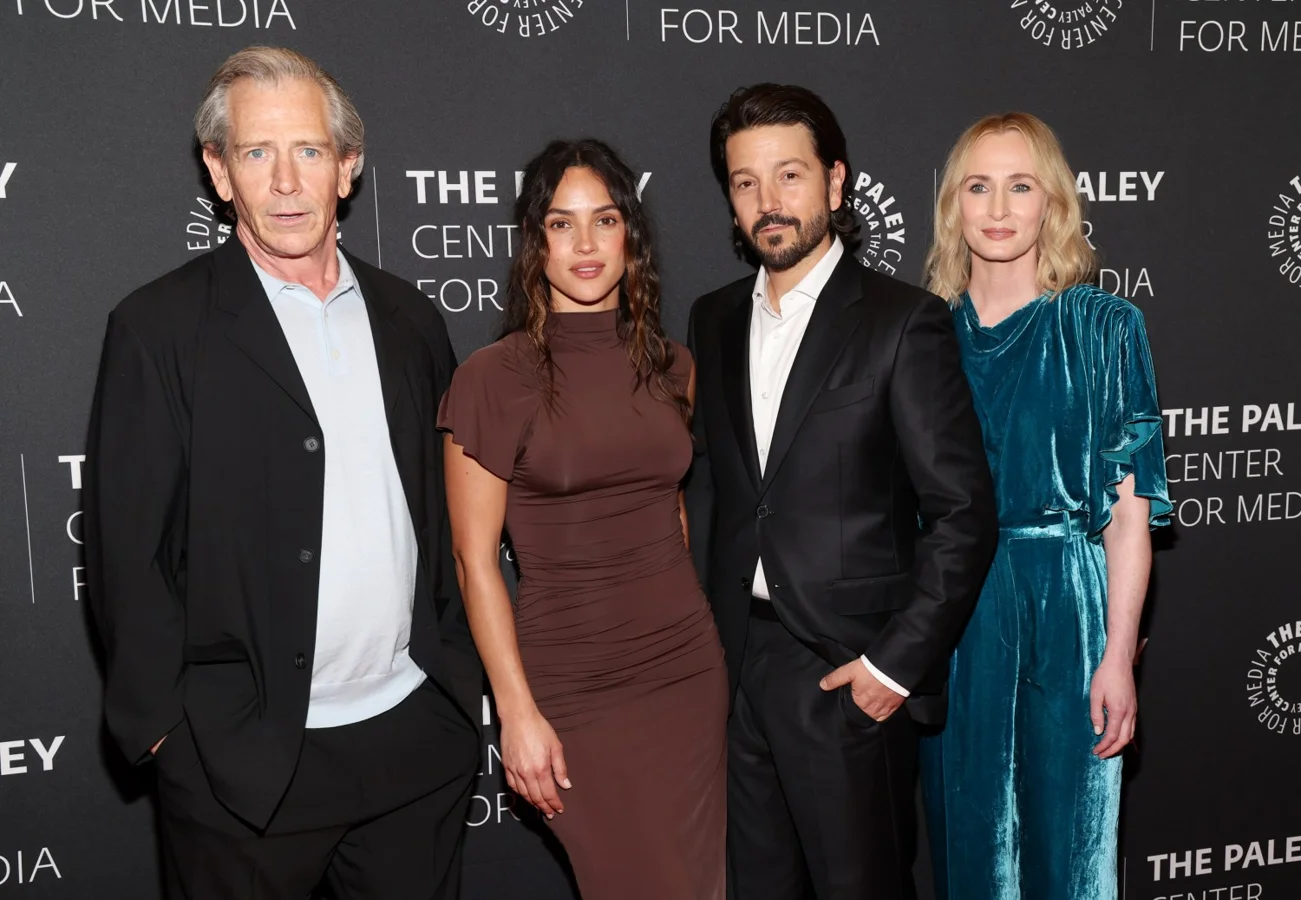
“I mean, Disney, this is $650 million. For 24 episodes, I never took a note. We said ‘F*** the Empire’ in the first season, and they said, ‘Can you please not do that?’ … In Season 2, they said, ‘Streaming is dead, we don’t have the money we had before,’ so we fought hard about money, but they never cleaned anything up. That [freedom] comes with responsibilities.”
—Tony Gilroy, Creator and Showrunner
With an estimated $27 million spent per episode, Andor set a new bar for episodic television in both production value and scale. This budget level, rare even for high-profile franchises, was necessary to achieve the sweeping vision fans ultimately experienced onscreen. The show‘s scale stands as a testament to the trust placed in Gilroy, as well as to Disney’s willingness to make large bets in an unstable market.
Disney’s Streaming Dilemma Amid Shifting Entertainment Strategies
The decision to bankroll Andor to such a degree is especially notable given Disney’s evolving approach to streaming. While company leadership cited the idea that “streaming is dead,” Disney has persistently channeled funding from major properties—like Marvel Studios and Lucasfilm—to its streaming service. This approach has reportedly drawn resources away from feature filmmaking, sometimes negatively impacting other divisions.
Following public acknowledgement that their emphasis on streaming may not have delivered the anticipated results, Disney has now begun to reduce the scale of projects like those within the Marvel Cinematic Universe. Despite this pivot, the level of investment behind Andor suggests Disney is not ready to abandon high-profile series altogether, even as the industry grapples with changing viewing habits and profit models.
More Star Wars Projects Signal Ongoing Commitment
Despite the challenges facing streaming content, Disney and Lucasfilm appear committed to expanding their television ventures. A second season of Ahsoka is in production under the leadership of Dave Filoni, with Hayden Christensen returning as Anakin Skywalker’s force ghost. In addition, new Star Wars projects are in the works, including a mysterious series from Carlton and Nick Cuse, writers known for their work on Lost and Watchmen. These developments show that, while Disney may be reassessing streaming’s viability, its creative ambitions for the Star Wars universe remain strong.
Tony Gilroy’s $650 million Andor Star Wars budget stands as a remarkable example of both creative risk-taking and industry uncertainty. The show’s success and the leadership roles played by figures such as Dave Filoni, Carlton, and Nick Cuse suggest that while the debate over streaming‘s future continues, Disney remains a driving force, shaping the evolving landscape of televised storytelling in franchises like Star Wars. As audiences await new releases, the effects of these decisions will continue to influence both the company‘s strategy and popular entertainment at large.
