
Parks and Recreation almost looked very different, as Amy Poehler was close to missing out on playing the determined and passionate Leslie Knope due to a pivotal moment in her life. The focus keyword, why Amy Poehler nearly missed playing Leslie Knope, centers on the behind-the-scenes story of timing, sacrifice, and a cast and crew determined to keep Poehler as their leading lady.
Poehler’s Near Miss: How Timing Almost Changed Parks and Recreation’s History
Few people realize that Amy Poehler’s iconic turn as Leslie Knope was nearly derailed by life’s unpredictability. In a recent episode of Good Hang with Amy Poehler, she and Mike Schur, known for creating and producing some of TV’s most beloved comedies, opened up about how close the series came to losing its intended star. At the time the show was preparing to begin shooting, Poehler was expecting her son Archie, and her due date closely aligned with the start of filming. This coincidence meant that the original plan for Poehler to step into the lead role had to be put on hold as she faced the challenge of preparing for motherhood.
The discussion revealed how Parks and Recreation, envisioned as a standout sitcom set in Pawnee, Indiana, was shaped by this critical fork in the road. The cast, including Rashida Jones as Ann Perkins and Nick Offerman as Ron Swanson, were central to the comedic chemistry of the series. But without Poehler available at the outset, the fate of Leslie Knope—and perhaps the entire show—hung in the balance. Mike Schur and Greg Daniels, both instrumental in the series’ creation and known for their work on The Office, were faced with difficult choices.
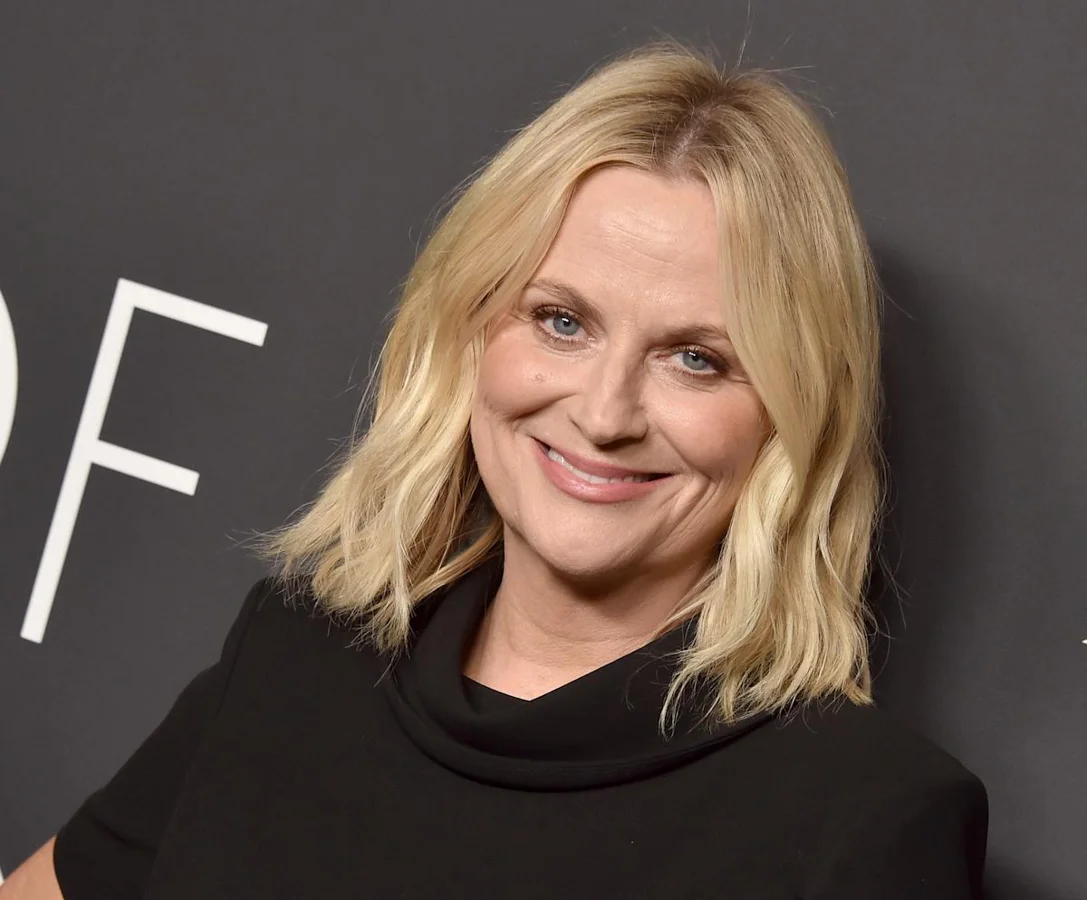
Sacrificing for the Star: The Show’s Bold Move to Secure Poehler
When presenting the new series to NBC, Schur and Daniels had secured a 13-episode guarantee—a formidable show of confidence from the network. However, once Poehler revealed her pregnancy and the conflicting timeline, her involvement became uncertain. It was during this intense period that the show’s creators decided that only Poehler could truly embody Leslie Knope, regardless of the obstacles.
They quickly returned to NBC with an extraordinary request: they would forfeit more than half the season’s episodes if that meant they could delay production until Poehler was able to film. Schur recalled,
“[Parks and Recreation] was given a guaranteed 13-episode order”
—Mike Schur, Showrunner. However, when Poehler’s availability was in question, they told the network,
“If we can’’ get Amy for this, we will give up seven of the 13 guaranteed episodes.”
—Mike Schur, Showrunner.
As a result, Parks and Recreation’s first season was reduced to just six episodes, a significant gamble not only for the creative team but for the show’s future. An additional sacrifice involved relinquishing the coveted Super Bowl slot, which would have aired an episode directly following The Office—a rare opportunity for exposure. This commitment to securing Poehler as their Leslie Knope came at a cost, but one both Schur and Daniels believed was worth it.
Early Creative Challenges Linked to Production Changes
Amy Poehler’s return to work just three months after having her son Archie, whom she shares with Will Arnett, was itself an impressive feat. However, the consequences of the sacrificed episodes became evident in the show‘s early storytelling. The shortened inaugural season, combined with a lead actress balancing new motherhood, meant that Leslie Knope’s on-screen development felt rushed and sometimes uneven to viewers and critics alike.
The show’s pilot episode, in particular, received scrutiny and is often cited as the weakest in the series. With so much of the original season lost, audiences had limited chances to deeply connect with Poehler’s character. Leslie Knope showed striking resemblances to Michael Scott from The Office, which was not surprising given the shared creative leadership of Schur and Daniels. Had those lost episodes been filmed, Leslie may have had more space for unique growth rather than echoing the comedic beats of another beloved sitcom hero.
Moreover, as Poehler was recovering from childbirth and adjusting to life with an infant, some planned scenes may have been omitted to protect her well-being during production. These realities behind the scenes help explain why the Leslie Knope audiences enjoy in later seasons felt quite different from the character introduced in season one.
The Decision’s Enduring Impact and Legacy of Parks and Recreation
Despite these early hurdles, the gamble to keep Poehler paid off tremendously. Over time, Leslie Knope evolved into one of the most admired sitcom protagonists, known for her dedication, optimism, and impact on Pawnee’s fictional world. While the show’s first season was a struggle both creatively and in reception, it quickly found its voice once Poehler was able to fully inhabit the role and the writers could shape the character more distinctly.
Parks and Recreation ultimately became iconic, beloved for its quirky humor, heartfelt storytelling, and unique ensemble that included key figures like Nick Offerman, Rashida Jones, and guest stars such as Michelle Obama. The willingness of Schur, Daniels, and NBC to take significant risks for their vision and their star resulted in a series that, despite initial stumbles, became a landmark of the comedy genre. The show’s history is a testament to the power of faith in casting and the impact of perseverance in television production.
Looking back, the story of why Amy Poehler nearly missed playing Leslie Knope offers a unique window into the major decisions that shape television. The commitment of creators and cast to stay true to their vision, even when facing daunting setbacks, highlights what’s possible when creative risks are met with determination and support. As Parks and Recreation continues to resonate with new audiences, the sacrifices that made it possible remain a significant part of its enduring legacy.
