
Back to the Future Part III is packed with clever nods to Hollywood history, with Clint Eastwood references in Back to the Future Part III serving as a playful thread throughout Marty’s journey into the Old West. When Marty McFly and Doc Brown travel to 1885 to fix the timeline, their adventure not only concludes the trilogy but also pays tribute to the legendary cowboy star in inventive ways.
Marty McFly Adopts Clint Eastwood’s Persona in the Old West
As Marty navigates the unfamiliar world of late 19th-century Hill Valley, he decides to take on the name “Clint Eastwood” to blend in among the locals. This running joke is more than a superficial gag—it’s essential to how Marty tries to survive the dangers of the Wild West. By assuming Eastwood’s identity, Marty unwittingly influences the local history, including the renaming of Clayton Ravine to Eastwood Ravine in the future timeline of Hill Valley.
The film’s playful use of the Eastwood moniker gains significance at the story’s end. When Marty returns to his own time, the timeline is restored, and his choice of alias leaves a lasting mark on the town’s history. This subtle Easter egg connects Marty’s actions directly to the legacy of Clint Eastwood, intertwining pop culture and the plot’s time-travel antics in a way unique to the Back to the Future series, which famously stars Michael J. Fox as Marty and Christopher Lloyd as Doc Brown.
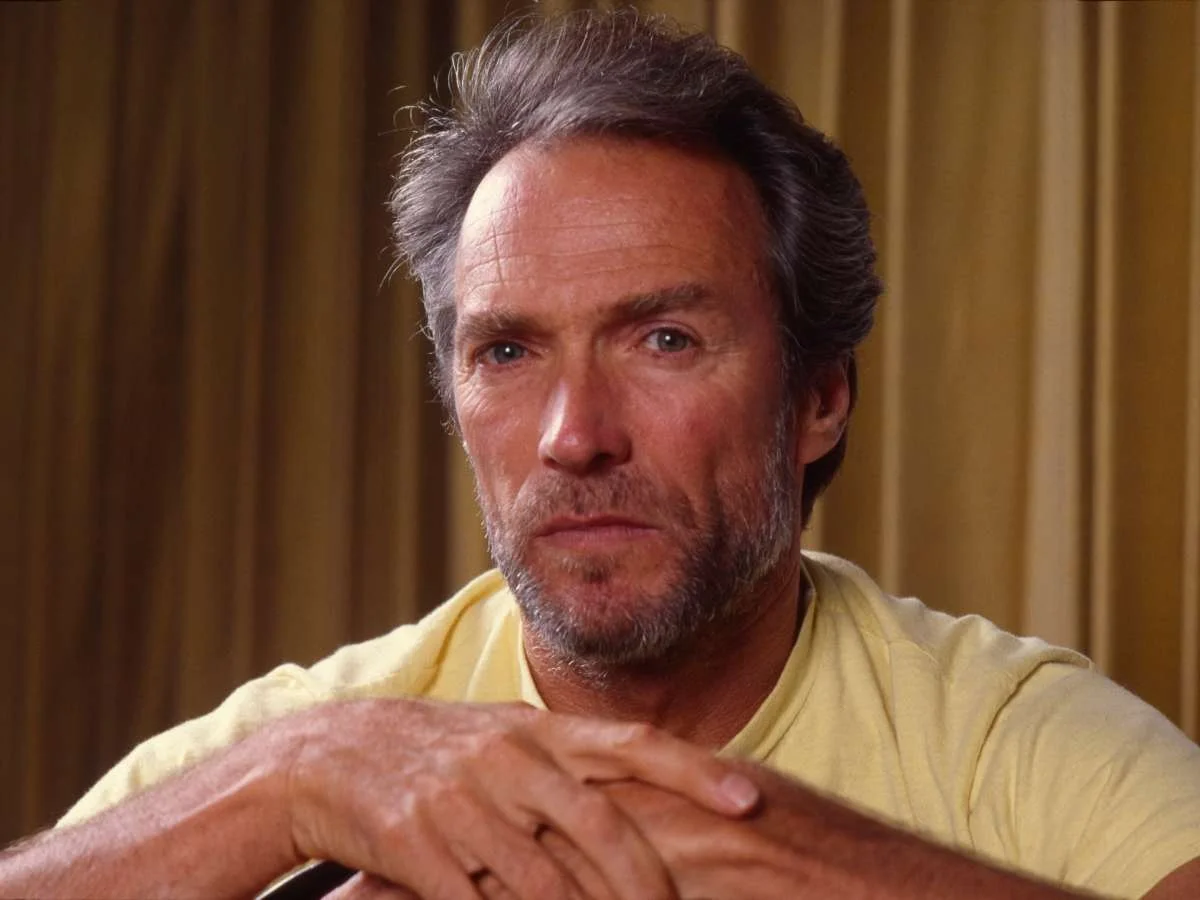
Drive-In Theater Scene Packs Deep Cut Eastwood References
Early in Back to the Future Part III, Marty and Doc prepare to send Marty back to 1885 from a drive-in theater in 1955. As Marty struggles with an over-the-top cowboy costume, he jokes that Clint Eastwood never dressed in such a ridiculous way. Behind them, a poster for the Universal Monsters sequel Revenge of the Creature is prominently displayed. The significance of this background detail is a nod to a lesser-known chapter in Eastwood’s career—this was his very first movie appearance.
Clint Eastwood played a lab technician in Revenge of the Creature, a minor uncredited role with a single humorous scene involving lost lab mice. The future Oscar-winning actor and legendary cowboy icon had yet to become a household name in 1955; his journey to stardom would take nearly a decade, eventually culminating in roles like his breakthrough part in A Fistful of Dollars.
Back to the Future Part III leverages this film poster not only as a visual Easter egg but also as a playful reminder that even major Hollywood figures like Eastwood can have humble beginnings. The joke is deepened by the idea that the 1955 version of Doc Brown, unaware of Eastwood’s future fame, pays no attention to the name.
More Subtle Homages: Additional Posters Highlight Early Eastwood Roles
This same drive-in theater scene doubles down on Clint Eastwood tributes. Hanging by the bathrooms is yet another reference: a poster for Tarantula, another 1955 film featuring Eastwood in an uncredited role. In Tarantula, Eastwood plays an unnamed Jet Squadron leader, piloting over the desert in classic ‘50s B-movie style. Much like his appearance in Revenge of the Creature, Eastwood’s role in Tarantula is brief but hints at the commanding presence that would come to define his career.
The drive-in marquee further calls back to his early Hollywood years by listing Francis in the Navy as one of the featured movies. This sixth entry in the Francis the Talking Mule series holds distinction as Eastwood’s first credited film role, where he played the character Jonesy. While his other performances in 1955—Revenge of the Creature, Lady Godiva of Coventry (where he played a Saxon), and Tarantula—were all uncredited, they collectively showcase a formative, busy period for Eastwood as a working actor under Universal’s studio system.
Though historians point out that Revenge of the Creature and Tarantula weren’t actually released together or screened as a double feature during the 1950s, Back to the Future Part III uses this artistic liberty to pack the scene with layered film history. These well-hidden visual references reward observant viewers, further enriching the trilogy’s interwoven mix of real-world nostalgia and fictional invention.
Clint Eastwood’s Early Film Roles and Their Lasting Legacy
Clint Eastwood’s filmography in 1955 is particularly notable for fans tracing his rise to stardom. That year, he appeared in four films released by Universal:
1. Revenge of the Creature – Lab Technician Jennings (Uncredited)
2. Francis in the Navy – Jonesy (First Credited Role)
3. Lady Godiva of Coventry – First Saxon (Uncredited)
4. Tarantula – Jet Squadron Leader (Uncredited)
This humble start is highlighted by Back to the Future Part III’s choice to include images and names from these films, subtly weaving them into the narrative fabric. Even though Eastwood’s work in these movies might be considered mere footnotes compared to his future achievements, their presence in the trilogy’s finale signals a recognition of both Hollywood’s history and the concept of gradual success.
Over the following years, Eastwood continued to take on small, often uncredited roles throughout 1956 and 1957 before landing more substantial parts and eventually achieving fame with his iconic westerns. Interestingly, his career timeline aligns with three out of the four main years featured in Back to the Future: 1955, 1985, and 2015, making the connection between the franchise and the actor even more resonant.
Pop Culture Impact: Why These References Matter
By scattering Clint Eastwood references in Back to the Future Part III—ranging from overt jokes about his wardrobe to discreet movie posters in the background—the filmmakers invite viewers to connect Marty’s fictional adventure with real Hollywood history. This not only adds depth for sharp-eyed fans but also highlights the transformative journey actors undergo in the film industry.
The decision to draw from Eastwood’s early work emphasizes Back to the Future’s broader tribute to cinema’s evolution, showing how careers can emerge from humble beginnings into legendary status. The playful integration of his film roles and the lasting impact of the “Eastwood” name on the fictional Hill Valley timeline underscore the franchise’s unique ability to blend pop culture with time travel storytelling.
As Back to the Future Part III continues to entertain new generations, its clever allusions to Clint Eastwood remain an enduring testament to the series‘ layered writing and its affectionate engagement with movie history. This interplay between fiction and fact ensures that every viewing offers fresh discoveries for longtime fans and newcomers alike, cementing the trilogy’s reputation as a thoughtful celebration of both adventure and cinematic heritage.
