
Clint Eastwood turning down Apocalypse Now lead role proved to be a pivotal choice that kept him away from one of the film industry’s most tumultuous productions. While Francis Ford Coppola’s Vietnam War epic brought cinematic acclaim, it was equally marked by infamous delays and chaos behind the scenes.
Eastwood Steps Aside as Apocalypse Now’s Production Unravels
Clint Eastwood was approached in the late 1970s by famed director Francis Ford Coppola to play the main character, Captain Willard, a role ultimately embodied by Martin Sheen. Eastwood’s steadfast attitude toward film schedules and his reputation for professionalism set the stage for his decision. When introduced to the idea, Eastwood hesitated, scrutinized the script, and weighed the risks involved in such an extensive project during an era when Hollywood was brimming with grand visions.
His reluctance stemmed not just from the role itself but from the broader environment Coppola envisioned. At that time, Hollywood icons like George Lucas had already declined involvement, recognizing the unpredictable path the film might take. Coppola pushed forward, unfazed, seeking real jungle locations over soundstages in Burbank and arranging for resources such as tanks and soldiers from local authorities in the Philippines.
Why Eastwood Said No to Coppola’s Offer
During a 2015 interview with The Hollywood Reporter, Clint Eastwood recounted the moment he passed on the opportunity. He made clear that neither the script nor Coppola’s ambitious approach resonated with him. As he explained:
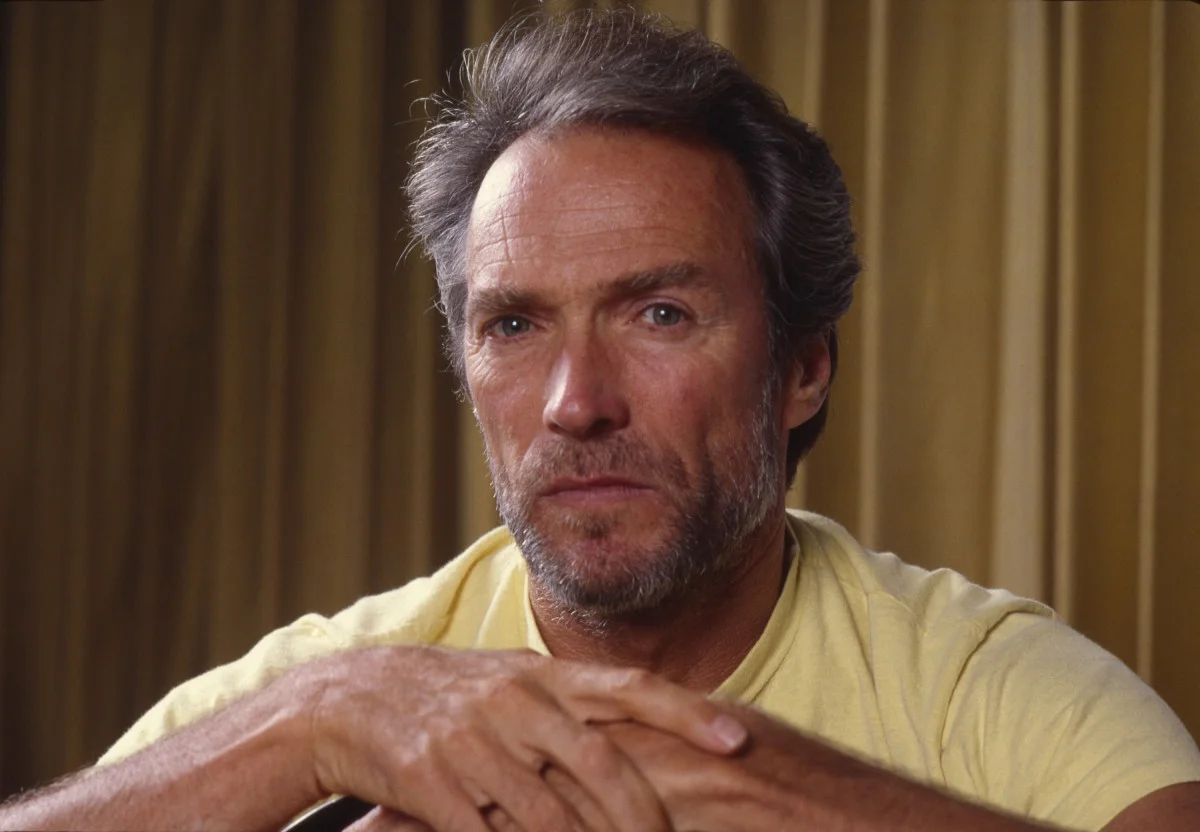
“[Francis Ford] Coppola called me up and asked me if I wanted to do the young guy I think later played by Martin Sheen. And asked me if I wanted to play that and I said gee, I don’t know I don’t understand this show too much.”
—Clint Eastwood, Actor
Eastwood’s familiarity with the source material, Joseph Conrad’s Heart of Darkness, gave him a sense of what Coppola was attempting. However, the director’s plans for an extended shoot overseas seemed daunting, especially considering Eastwood’s preference for tightly managed schedules. He clarified his stance further:
“I did read Heart of Darkness when I was young and so I kind of knew where it was going but then I said no, I don’t think I can go off for that long a time.”
—Clint Eastwood, Actor
The initial promise to film in the Philippines for 16 weeks was already stretching the limits of what Eastwood considered reasonable. It was the looming possibility of endless extensions that convinced him to forgo the part entirely:
“He was going to go 16 weeks in the Philippines.”
—Clint Eastwood, Actor
This caution proved wise. Instead of four months, principal photography devolved into a 238-day ordeal. Members of the cast and crew, including Martin Sheen who stepped into the lead after Eastwood, endured months of unpredictable shooting schedules, unpredictable weather, and escalating pressures deep in the jungle.
The Infamous Making of Apocalypse Now
The difficulties Francis Ford Coppola encountered on the set of Apocalypse Now echo through film history. The words “cinematic trench warfare” barely capture the relentless obstacles that plagued production, from weather disasters to logistical nightmares. With actors, local officials, and even military helicopters pulled away to attend to real-life conflicts, the planned five-month timeline stretched out to over a year. Coppola took on additional financial risks, reportedly putting personal assets on the line, and wrote new scenes on the fly when the plot’s ending seemed out of reach.
The filming process, which leapt from March 1976 to May 1977, became notorious for its intensity. Crew and stars were left wondering how—and if—the film would ever reach completion. Coppola’s drive brought the project to theaters, but not without significant drama and last-minute rewrites. Film students now study Apocalypse Now as much for the production’s legendary struggles as for its artistic merit.
Clint Eastwood’s Decision and Its Impact
By declining Francis Ford Coppola’s offer, Clint Eastwood managed to avoid the notorious pitfalls of the Apocalypse Now shoot. While the film later became a celebrated classic, its journey was marked by setbacks that tested even the most resilient Hollywood veterans. Coppola, Lucas, Martin Sheen, and the Philippine government all became key figures in a saga that redefined what it meant to make a large-scale war film outside traditional studio settings.
For Eastwood, the movie’s production woes underscored the importance of trusting one’s instincts and maintaining control over one’s professional commitments. His choice remains an example of careful discernment—at a time when the allure of a big-budget epic could easily have overshadowed the risks.
Today, Apocalypse Now continues to fascinate audiences and film students alike. After streaming on platforms such as Prime Video, its legacy is as much about the chaos of making groundbreaking cinema as the final work itself. Clint Eastwood turning down Apocalypse Now lead role is frequently cited as one of Hollywood’s savviest moves—a turning point that spared him from the turmoil that shaped the film’s enduring legend.
