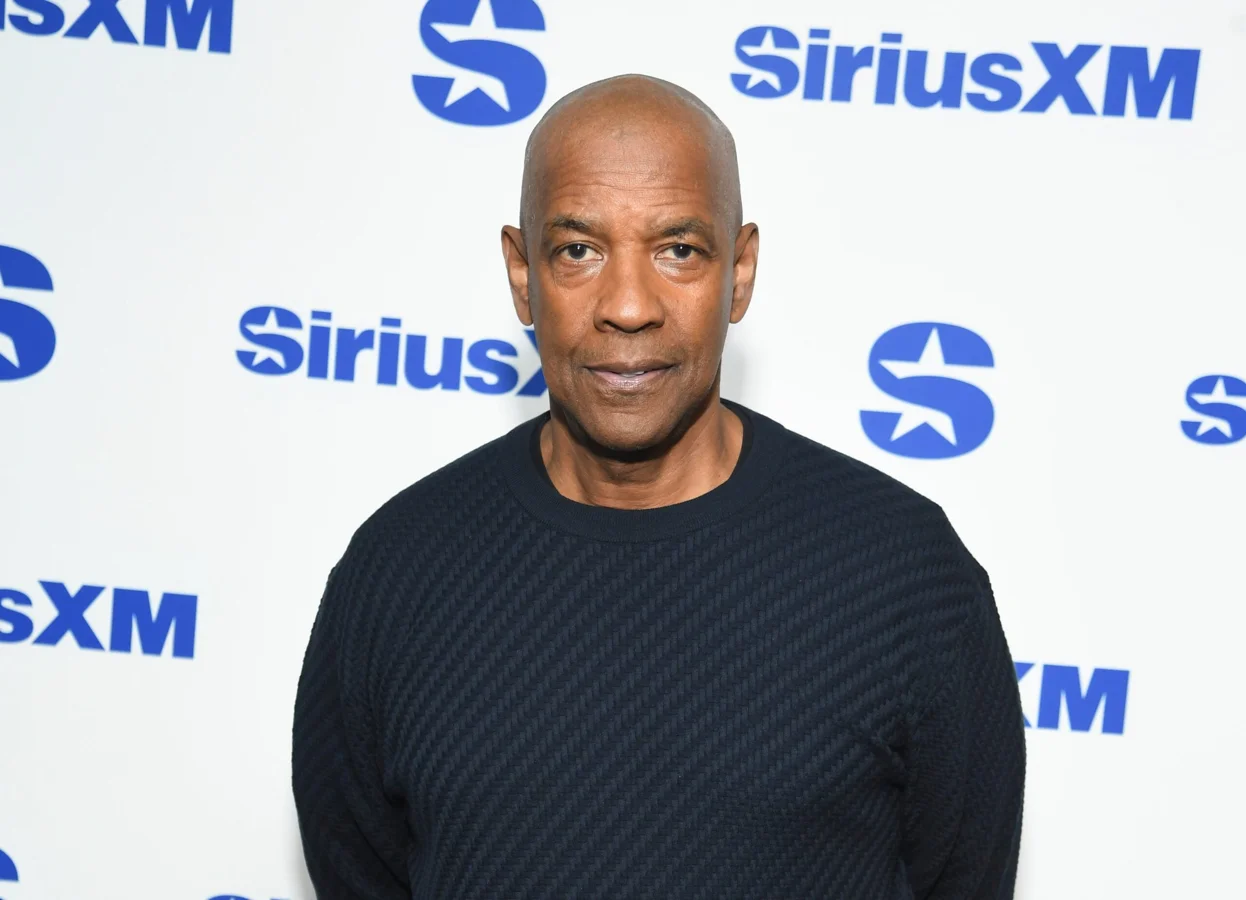
Denzel Washington emphasizes the importance of mentorship in shaping purpose and success throughout life’s journey.
Drawing upon experiences from his youth, Denzel Washington has opened up about the pivotal role positive influences and faith have played in shaping his life, emphasizing the lasting impact of true mentorship. In his reflection on mentorship and purpose, Washington shared a guiding proverb that continues to steer his approach to life and his interactions with others, revealing the essential values he believes everybody should cultivate.
Influential Early Lessons That Shaped Denzel Washington’s Path
Denzel Washington on mentorship and purpose in life is rooted in the foundational wisdom he received as a child, shaped by his upbringing and the role models who touched his journey. Citing Proverbs 22:6, Washington once wrote for Guideposts,
“One of my favorite verses of the Bible says, ‘Train up a child in the way he should go, and when he is old he will not depart from it,’”
—Denzel Washington, Actor. This verse, he explained, remains a touchstone, reminding him of the profound necessity of giving young people a strong start and support system.
Washington spoke candidly about the key influences that helped mold his character. Reflecting on these figures in his life, he noted,
“They [the words] remind me of how important it is to give children a firm foundation. Show me a successful individual and I’ll show you someone who had real positive influences in his or her life,”
—Denzel Washington, Actor. He has repeatedly credited his mentors for shaping his values and fueling the inner drive that led to his future success, highlighting,
“I don’t care what you do for a living — if you do it well, I’m sure there was someone cheering you on or showing the way. A mentor. I’ve had that push in my life, going back as far as I can remember. Here’s how mentors can make a difference.”
—Denzel Washington, Actor.
The Key Mentors Who Guided Washington’s Development
Among those who left a mark on the Oscar winner is Billy Thomas, the leader of the Boys Club that Washington attended during childhood. The actor recounted how Thomas made every child feel valued and inspired him even into adulthood.
Image of: Denzel Washington
“He made each of us feel like we were something special,”
—Denzel Washington, Actor, he reflected, describing the admiration he felt and the influence Thomas’ demeanor had on him.
Thomas’s personal flair left such an impression that Washington emulated his actions, mannerisms, and even handwriting. Washington shared,
“I was so impressed with him that I started to imitate him. I would walk like Billy and try to shoot a foul shot like Billy,”
—Denzel Washington, Actor. He continued,
“I would try to sit like him and treat others with respect like he did. I even practiced signing my name like Billy. There was a real flourish to his handwriting and I used to copy it so much I can still see it in the way I sign my own name today.”
—Denzel Washington, Actor.
As a young adult, Washington’s journey was also shaped by Jack Coleman, proprietor of the Modernistic barber shop where the actor held his first job. Coleman, Washington remembered, provided an example of diligence and integrity. He wrote,
“[He] took me on as a kindness to my mother, I’m sure, but I thought it was the best job in the world,”
—Denzel Washington, Actor. Washington’s description illustrated Coleman’s profound work ethic and ability to create a welcoming, respectful environment for all.
“He wasn’t just the head barber. He was like the Modernistic’s master of ceremonies, presiding over a wonderfully eccentric parade of souls. He was a strong individual and true to his word,”
—Denzel Washington, Actor.
Washington acknowledged that his success, like that of so many, is not the result of solitary effort, but the culmination of encouragements and examples set by key figures along the way. As he succinctly put it,
“Behind every great success there’s someone and often more than one person. A parent, teacher, coach, role model. It starts somewhere,”
—Denzel Washington, Actor.
Denzel Washington’s Reflections on Mentorship and Giving Back
Today, Denzel Washington has become a mentor and source of inspiration for countless people seeking purpose in life. He offers simple but profound guidance for those aspiring to achievement, encapsulated by a principle he often shares:
“The first part of your life you learn. The second part of your life you earn. The third part of your life you return,”
—Denzel Washington, Actor. These words highlight the natural progression from learning, to rewarding effort, and finally to giving back through mentorship and service.
This philosophy is meant not just for Hollywood hopefuls, but for anyone striving to live meaningfully. Washington encourages people to absorb lessons through education, lived experiences, and the wisdom of mentors. The focus, he suggests, should not be on pursuing fleeting notions of success, but on substance that endures. For Washington, success also means reflecting values and fulfilling dreams within ethical boundaries, not simply accumulating wealth or recognition.
He elaborates that the third stage—returning—is especially crucial. This is the point at which learned lessons are given back to the world, whether through guidance, community involvement, or fostering the growth of others on their own journeys. Washington’s life and words suggest that true fulfillment is found in the alignment of personal passion with acts of service, and in helping others realize their potential.
Inspiring Others to Find Their Calling Beyond Titles and Achievements
Washington’s recent talks continue to extend his influence beyond the screen. Speaking to athletes at the University of Colorado Boulder, he emphasized the importance of seeking purpose that transcends professional skills or status.
“We all have a purpose in our life, and I’m here to tell you, God did not put you here to play football,”
—Denzel Washington, Actor. He reminded the team that while their athletic abilities are gifts, their deeper purpose goes beyond the game, stating,
“He gave you that gift, but that’s not your purpose in life because one knee, one shoulder, one ankle, one Achilles, one concussion can end that.”
—Denzel Washington, Actor.
Washington’s message is one of humility and faith—reminding listeners that everyone has inherent ability, often discovered and cultivated across a lifetime.
“One thing we all have in common is God-given ability,”
—Denzel Washington, Actor, he asserted, encouraging patience for those still searching:
“You don’t have to know it now.”
—Denzel Washington, Actor.
By pointing out that identity and worth are rooted not in fleeting professional roles but in deeper, spiritual purpose, Washington aligns his mentorship philosophy with core values like faith, resilience, and service to others.
The Ripple Effect: How Mentorship Can Shape Generations
Central to Denzel Washington’s message is the belief that mentorship can change the trajectory of any person’s life. He concludes his Guideposts reflection with a call to action:
“There’s no reason it can’t start with you,”
—Denzel Washington, Actor. This encouragement is a reminder that anyone can take the first step to become a positive force in another’s journey and that even the smallest acts of guidance or support can have profound, lasting effects.
In sharing his story and the stories of Billy Thomas and Jack Coleman, Washington reveals how experiences of affirmation, discipline, and kindness have continued to guide his actions and beliefs. He stands as a living example that investing one’s time and support in others creates meaning that echoes far beyond personal achievement.
Washington’s Enduring Legacy of Learning, Earning, and Returning
Denzel Washington’s reflections offer more than just advice; they are a blueprint for anyone wanting to identify and act on their life’s true purpose. His emphasis on stages of learning, striving, and giving back cuts across professions, backgrounds, and ages, resonating with seekers of fulfillment and direction everywhere. By casting mentorship and faith as essential foundations, he challenges audiences to consider the roots of their own paths while inspiring them to become mentors and role models themselves.
As Washington continues to influence Hollywood and beyond, his message is clear: The journey of purpose is not just about individual accolades, but about shaping and empowering the next generation, one positive influence at a time.