
Taylor Sheridan’s career transformation after leaving Sons of Anarchy has become a striking example of how taking a risky, principled stand can lead to dramatic success. The actor and future showrunner made the difficult choice to walk away from the FX series after feeling undervalued, setting the stage for his emergence as a leading creator in television and film.
Early Acting Struggles and Role on Sons of Anarchy
Before Taylor Sheridan was acclaimed as the mastermind behind Yellowstone and other hit series, he was simply an actor trying to establish himself. In 2008, Sheridan joined FX’s Sons of Anarchy as Deputy Chief David Hale, a law enforcement officer intent on stopping the gang’s illegal activities due to his firm moral code. His performance spanned 21 episodes over three seasons, yet viewers and insiders alike were left puzzled when Sheridan abruptly left the show.
Behind the Scenes: Salary Dispute and Departure
Sheridan was initially meant to stay on Sons of Anarchy for a longer period, but saw his character killed off during a violent drive-by shooting in the opening episode of Season 3. The change in storyline was necessitated by Sheridan’s push to exit the project, prompted by a contentious salary issue. Sheridan later revealed to Deadline that he was earning significantly less than most of his fellow actors, explaining that the wage offered was so inadequate, he couldn’t afford to leave his secondary job.
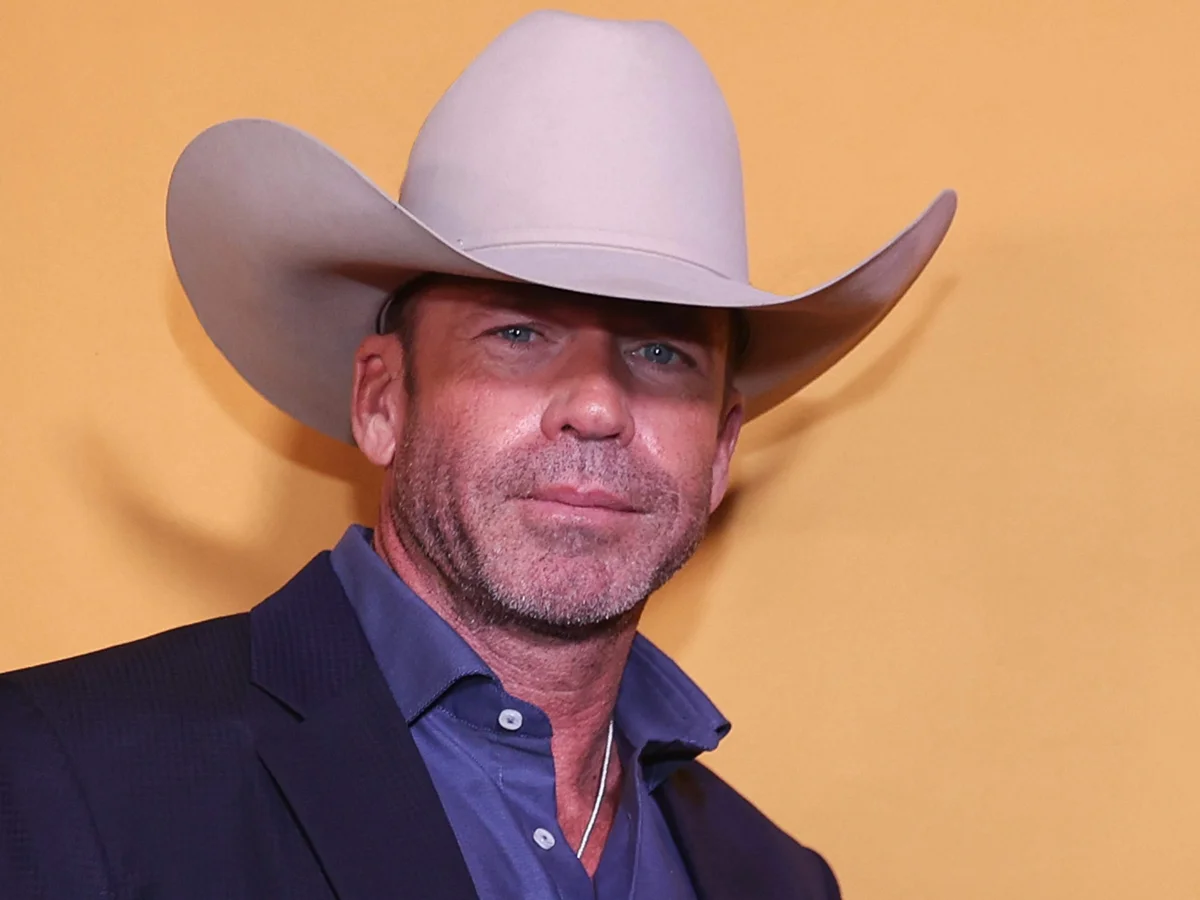
Faced with stagnant negotiations, Sheridan’s attorney approached the producers—but the show’s creators and production team refused to reconsider the offer. This left him feeling disrespected and undervalued. Beyond financial aspects, Sheridan feared being defined by supporting roles throughout his career and sought a new professional direction. Ultimately, his departure was not just about money; it was about demanding the respect he felt he deserved from the creators and producers.
New Opportunities and Writing Breakthrough
The choice to leave Sons of Anarchy marked a turning point for Sheridan, who transitioned from acting to screenwriting. He composed his first screenplay, Sicario, at 40—underscoring his willingness to reinvent himself. The intense script drew director Denis Villeneuve, launching a wave of successes for Sheridan.
Sheridan’s writing quickly attracted critical attention, resulting in films like Hell or High Water and Wind River. However, his work on Yellowstone propelled him to a new level of recognition, with the show’s captivating narrative and complex characters drawing widespread acclaim. Rather than remaining a supporting actor on someone else’s project, Sheridan became the creative force shaping his own stories. His efforts were rewarded with a substantial deal with ViacomCBS, securing his future until at least 2028.
Tenacity, Reinvention, and Enduring Influence
Sheridan maintains zero regret about his leap of faith, reflecting on his decision as foundational to his future. He often stresses the importance of self-worth and the refusal to settle for less. During a particularly challenging period, Sheridan crafted his first screenplay while living in his car—demonstrating resilience and unyielding confidence in his abilities. Despite the intense uncertainty, his belief in his own talent sustained him as he broke away from a dissatisfying situation in television toward creating acclaimed projects for global audiences.
Legacy of Sons of Anarchy and Sheridan’s Continuing Impact
Sons of Anarchy concluded in 2014 after seven seasons, wrapping up the tale crafted by the series creator without extension beyond its planned narrative. The show remains a touchstone for fans and is currently available for streaming on Hulu. As Sheridan has proven, even an act of career risk—if fueled by the desire for respect and the drive to create—can become the foundation for lasting change and creative fulfillment. His story stands as a testament to the power of forging a new path when existing systems fail to recognize one’s worth.
