
Ridley Scott exits Alien franchise after 46 years, publicly criticizing the later sequels for nearly destroying the renowned science fiction series. The famed director, who launched the iconic Alien saga in 1979, recently announced his decisive departure, sparking intense discussion about the franchise’s legacy and future.
Ridley Scott Bids Farewell to the Alien Universe After Decades
One of the most influential directors of modern cinema, Ridley Scott, has officially stepped down from the Alien franchise, a universe he helped birth and define. Speaking during the promotion of his recent projects, Scott confirmed that he is finished with Alien, suggesting that he has made enough contributions to its legacy. Known for films such as Gladiator and Blade Runner, Scott first shocked audiences with his atmospheric and terrifying vision of extraterrestrial horror in Alien (1979). After more than forty years intertwined with the franchise’s evolution, his withdrawal marks a pivotal end of an era.
Even as Scott retains a producer role for newer projects like Alien: Romulus and the forthcoming Alien: Earth, he has no intention of directing further installments. Instead, he now stands aside, allowing fresh voices to shape the future of the Alien narrative. Yet, in parting, he did not mince words on why he’s drawing the line. While recognizing his own film and James Cameron’s 1986 sequel Aliens as strong foundations, he criticized later sequels for failing to uphold the same standard.
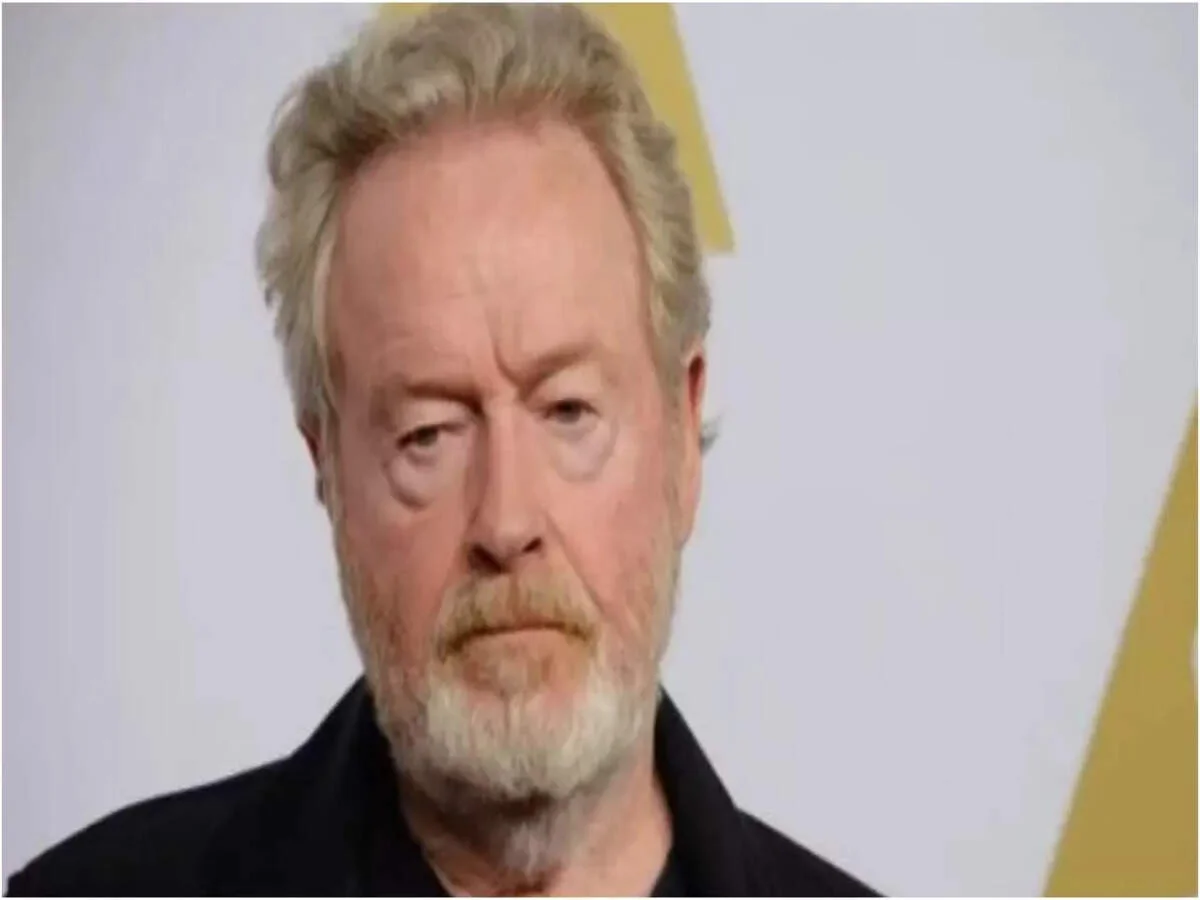
“I think mine was pretty damn good, and I think Jim’s was good, and I have to say the rest were not very good.”
—Ridley Scott
Scott expressed that the poor reception and direction taken by sequels such as Alien 3 and Alien Resurrection once convinced him that the franchise was effectively finished. Disappointed by what he perceived as diminishing storytelling, he felt compelled to return as director years later in hopes of reviving the saga. The outcome was two prequels: Prometheus in 2012 and Alien: Covenant in 2017, both intended to reinvigorate the core mythos and recapture fan enthusiasm.
“I said, ‘It needs to fly.’ No one was coming for it, [and] I went once again [and made] ‘Alien: Covenant,’ and it worked too. Where it’s going now, I think I’ve done enough, and I just hope it goes further.”
—Ridley Scott
Despite his visible frustration with certain installments that followed his originals, Scott remains proud of his contributions and hopeful that the franchise’s resurgence can continue without his direct involvement. His remarks make it evident that he feels ready to pass the torch to a new generation of filmmakers and storytellers.
Scott’s Vision: Alien as a Cultural Giant Like Star Wars
From the outset, Ridley Scott dreamed that Alien might one day be as impactful and enduring as Star Wars in popular culture. Creating Alien was about more than inventing another sci-fi thriller; he believed the franchise could become a defining part of the cinematic landscape, on par with the likes of Star Wars or Star Trek. As he reflected in an interview, he singled out both his film and James Cameron’s Aliens as the types of entries that could have fueled a lasting, unforgettable saga.
“And I thought, ‘F**k, that’s the end of a franchise which should be as important as bloody “Star Trek” or “Star Wars,”‘ which I think is phenomenal. At least, I think the first one by George is seminal. It was as seminal as ‘2001.’ To me, it was that important in terms of film language and where you go next.”
—Ridley Scott
Scott emphasized that, in his view, the original Alien and Cameron’s 1986 sequel were landmark films that showcased what the franchise could have become. But after Alien 3 and Alien Resurrection failed to resonate either critically or commercially, he genuinely feared that the saga’s creative potential was lost. For Scott, Alien never quite grew into the cultural force he hoped for, unlike the sprawling universes of George Lucas’s Star Wars or Gene Roddenberry’s Star Trek.
Nonetheless, the director’s commitment to the series endured. His decision to return with Prometheus and Covenant came from a desire to steer Alien back toward that ambitious goal, injecting new ideas and expanding its mythology. Even as mixed reviews greeted these later entries, his dedication to the franchise’s revival remained clear.
The Legacy and Future Direction of the Alien Franchise
Ridley Scott’s departure leaves the Alien franchise, now more than four decades old, at another crossroads. While his creative guidance shaped both its debut and two pivotal reboots, the next stage now hinges on a new cohort of directors and writers. Scott’s readiness to move on signals both a sense of exhaustion and an invitation for the Alien universe to evolve beyond his original blueprint. Meanwhile, he will continue to observe as a producer, voicing hope that the legacy he started flourishes under new leadership.
For fans in the USA, Alien and its related films are currently available to rent on streaming services such as Hulu and Max. As the series gains new creators and visions, the impact of Ridley Scott’s nearly half-century involvement will remain felt. Whether the franchise can reach the towering status he once envisioned—joining the ranks of Star Wars or Star Trek—now depends on its ability to recapture innovation and relevance without him.
