
Taylor Sheridan’s contrasting vision in Hell or High Water versus Yellowstone is evident in the way he presents Western life on screen, challenging audiences with authenticity in one and surface glamour in the other. Released years apart, Hell or High Water felt immediate and raw, while Yellowstone is more polished, leaving many fans to question how the creator could approach the modern West so differently on film and television.
The True West: Raw Realism in ‘Hell or High Water’ Versus Glossy Drama in ‘Yellowstone’
With Hell or High Water, Taylor Sheridan delivered a depiction of the American West marred by economic hardship and lingering scars, focusing on characters whose desperation echoes in dusty small towns and boarded-up banks. The neo-Western film immersed audiences in the troubles faced by regular people, showing the West not as a distant mythology, but as a place of struggle and gray morality. Sheridan’s characters were complicated, caught between right and wrong, and their stories unfolded in silence and tense moments rather than dramatic monologues.
Contrastingly, Yellowstone took the same Western landscape and transformed it into a stage for opulent ranch lifestyles, luxury settings, and the spectacle of cowboy culture dressed up with bourbon sipping and shiny belt buckles. The show opts for dynasty-scale drama, focusing more on family power struggles and the fight to protect land as a symbol of legacy, rather than a battle for basic survival. The underlying economic and emotional hardships that made Hell or High Water so impactful are less present, replaced by soapy conflicts and dramatic speeches about legacy.
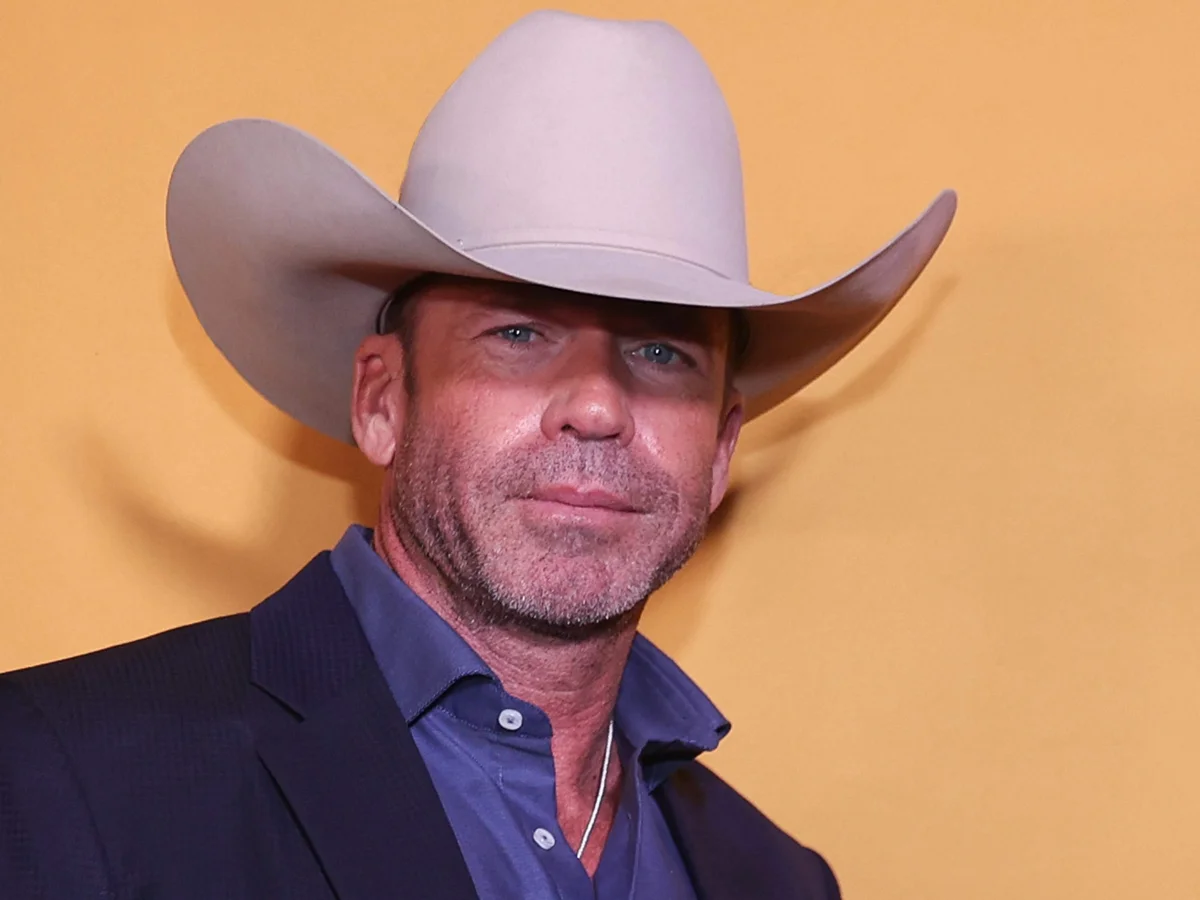
This difference in approach between the film and the series means that where Hell or High Water offered a gut-punch of authenticity, Yellowstone often comes across as performative, more interested in style and melodrama than in picking at the real wounds of contemporary rural America. The sense of lived-in struggle that defined Sheridan’s film is often missing in the series, which many fans notice and remark on.
Grit Over Gloss: ‘Hell or High Water’ Paints a Harsher Reality
In Hell or High Water, the audience is immersed in a world defined by worn-out vehicles, failed banks, and lives derailed by broader economic collapse, particularly in the wake of the 2008 crisis. The characters, such as Toby and Tanner, are portrayed as products of this devastated environment, resorting to bank robberies not out of selfishness, but because they are pushed by circumstances beyond their control. The film’s landscapes are harsh and unadorned, reflecting the internal and external strife of its characters. The story’s moral ambiguity and silence pack more emotional impact than lengthy speeches could provide.
Meanwhile, Yellowstone focuses on the Dutton family and their grip on their Montana land, pushing aside the silent pain and existential uncertainty that made Hell or High Water so unforgettable. Here, struggles are more often staged as battles for territory and power, playing out in boardrooms and brightly lit ranch houses, rarely in battered cars or foreclosed homes. The bigger-than-life dramas diminish the intimate, unspoken pain of rural hardship, and viewers are left with a version of the West that is cleaner and less honest than what Sheridan portrayed in his film.
One of the most memorable moments in Hell or High Water comes in the final porch scene between two complicated men, standing quietly on opposite sides of the same crumbling world—no shootout, just resignation and the fading hope for justice. The film resists the urge for a grand finale, lingering instead on the consequences of every desperate decision.
Why Sheridan’s Strength Shines in Cinema
Taylor Sheridan’s achievements go far beyond television, with Hell or High Water standing as a testament to his ability to capture the heart and conflict of America’s West in under two hours. The film was recognized with Oscar, BAFTA, and Golden Globe nominations, and Sheridan received acclaim for his screenplay. It also became the biggest indie film at the box office that year, a significant feat given his association with the more mainstream Yellowstone series.
His writing allows for emotional complexity, with audiences uncertain of whom they want to see succeed or fail. As Sheridan himself remarked,
“I don’t think of Toby and Tanner as terribly good men. I think they’re well-intentioned– I think Toby’s well-intentioned. And I think he made a decision that he’s going to be really bad once, so that his kids weren’t in the same situation…”
—Taylor Sheridan, Screenwriter
This layered portrayal forces viewers to grapple with uncomfortable realities, never letting them settle into easy judgment, which Sheridan intended according to his own words:
“I wanted the audience really confused and conflicted about how they wanted this to turn out, and who they were hoping was still standing at the end of it.”
—Taylor Sheridan, Screenwriter
Sheridan’s other films, including Sicario, Wind River, and Those Who Wish Me Dead, all reinforce his affinity for telling tense, conflicted stories rooted in authentic settings. The simplicity and grit that define his movies get diluted in the serialized, high-budget world of television drama, where spectacle often takes precedence over subtlety.
The Future Direction: Returning to Cinema’s Roots
The evident difference between Taylor Sheridan’s contrasting vision in Hell or High Water versus Yellowstone suggests that his storytelling thrives where cinematic restraint and authenticity are required. Fans and critics alike praise the film’s willingness to confront bleak realities and spare no one from their consequences, while the show is critiqued for its lavish depiction of conflict that glances over the deeper pain beneath. Sheridan’s proven success on the big screen implies that, despite his accomplishments in television, returning to movies could allow him greater space to delve into the truth and pain of the American West that first captivated audiences.
Hell or High Water continues to be available for streaming on Paramount Plus and Apple TV, offering a stark reminder of the soul that Taylor Sheridan can conjure when focused on the grit over the gloss, and why many hope to see him revisit this approach in cinemas once again.
