
Tom Cruise wrote iconic Magnolia monologue Oscar snub—this fact adds new depth to his powerful work as Frank T.J. Mackey in Magnolia, where he not only shaped the role but also delivered a performance many consider a glaring omission in Oscar history. In 1999, at the height of his career, Cruise contributed to both script and soul of the character, only to see the Academy pass by what fans and critics still hail as an unforgettable cinematic moment.
Cruise Took Creative Control in Magnolia
When Magnolia, directed by Paul Thomas Anderson, hit theaters, audiences witnessed Tom Cruise transform into Frank T.J. Mackey, a brash motivational speaker commanding the stage with outstretched arms and palpable confidence. The monologue scene—lasting over seven minutes and delivered with relentless energy—became one of the film’s most defining moments, overshadowing many others in a movie renowned for its ensemble cast and emotional depth.
Unbeknownst to many at the time, much of that iconic monologue was not Craig-written, but instead crafted by Cruise himself. The original screenplay offered only a few foundational lines, but Cruise, trusting his instincts and vision, expanded it considerably. This move demonstrated not just his commitment to performance, but also his dedication to deeply understanding and embodying his character.
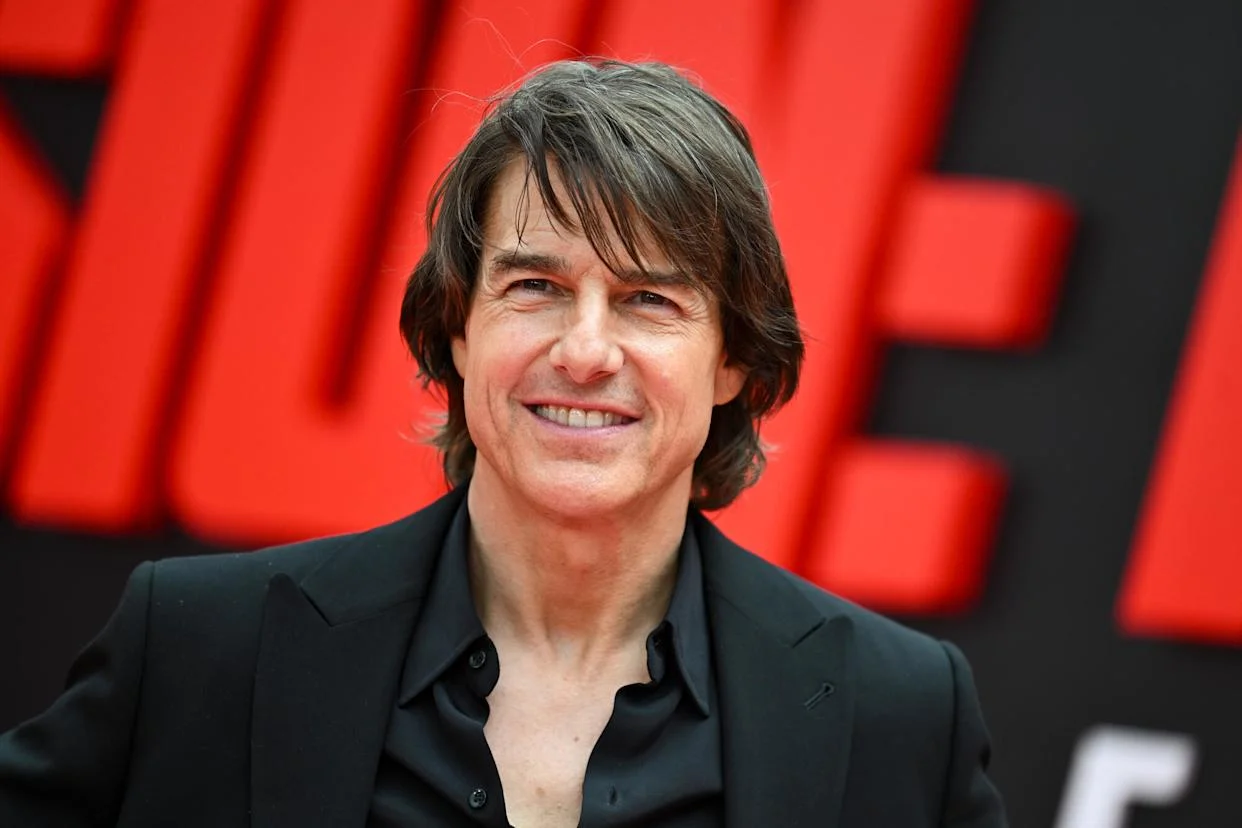
Instead of following only what was scripted, Cruise decided to invite director Paul Thomas Anderson for a “wardrobe fitting” at his home, though he had a surprise in mind. In his meticulously prepared screening room, Cruise set an atmosphere with carefully chosen lighting and background music, turning what should’ve been a brief wardrobe session into a full-fledged performance art showcase. As Anderson watched, Cruise delivered what would become the legendary monologue, fully improvised and authentic to his vision of Frank T.J. Mackey.
“wardrobe fitting. When an unsuspecting Anderson went over, Cruise put on a performance for him that he would never forget. In his screening room, the actor had arranged for the perfect lighting and music to accompany the scene.”
“I basically wrote the opening monologue my version,”
—Tom Cruise, Actor
The Actor’s Instincts Fueled an Iconic Scene
Cruise later reflected on this process, emphasizing how fundamental instinct was to developing and realizing Frank T.J. Mackey. The actor recalled at the British Film Institute how the original script offered very little for this section, prompting him to invite Anderson over and show his interpretation instead of just talking about it. His approach was characterized by deep research, total immersion, and intuitive choices—hallmarks of his broader career.
“I had a strong instinct for this character. The whole monologue wasn’t there at the beginning. That wasn’t there. There was a couple of sentences. And I said, ‘Look, just come over to my place. Let’s do the wardrobe fitting’…And I lit it…and I had the whole music, and I basically wrote the opening monologue…my version. [Anderson was] like, ‘What the f*ck?’ I was like, ‘I don’t know, this is Mackey to me.”
This creative leap came not from arrogance but from Cruise’s habit of fully inhabiting his roles. He is known for exhaustive research, delving into the psychology and mannerisms that make each of his characters unique—whether as the morally conflicted sports agent Jerry Maguire or as the steely assassin in Collateral. Such dedication meant that when the moment arrived, Cruise was ready not just to act, but to become Mackey, freely improvising and bringing authenticity that elevated the scene beyond the written word.
An Oscar-Worthy Performance That Was Overlooked
Despite rave reviews—Magnolia holds an 82% rating on Rotten Tomatoes—and a nomination at the 72nd Academy Awards, Cruise left the ceremony without a statuette for his portrayal. The omission has often been referred to as one of the great Oscar snubs, considering the scene’s lasting emotional impact and the artist’s direct contribution to the script. In the film’s climax, Cruise’s vulnerability and raw delivery stood as a testament to his growth not just as an action star, but as an actor capable of deep, multifaceted performances.
Anderson himself was reportedly stunned by Cruise’s bold initiative and creative command of the role, witnessing firsthand how a performer’s instincts and dedication can fundamentally shape a film scene. Fans and critics alike have continued to discuss this oversight by the Academy, seeing it as a missed opportunity to recognize a performance that went far beyond conventional acting duties.
The Importance of Creative Freedom for Tom Cruise
Throughout his career, Tom Cruise has fiercely guarded his creative input in the projects he chooses. His regret over not having similar control in Ridley Scott’s Legend illustrates how valuable this autonomy is to his process. Cruise has often insisted on being deeply involved in character development, contributing new ideas and dialogue, rather than passively adhering to a script. This trait distinguishes him in Hollywood, especially among stars known for their ability to elevate material beyond what’s simply written.
Speaking at the British Film Institute, Cruise further explained his meticulous preparation for each role, discussing the importance of ongoing dialogue and analysis but emphasizing that when the cameras start rolling, true acting is all about presence and instinct. This philosophy has kept Cruise front and center in the industry, allowing him to surprise audiences repeatedly, regardless of genre or character type.
“You get an instinct. When you’re shooting a film, it’s like you prepare, you prepare, & believe me, I prepare everything, and we’re going through it, and there’s a lot of communication and dialogue about character [and] story. But then it’s just…we’re in the moment, the camera’s rolling, and for me, I’m rehearsing…it’s there every take. It’s like, ‘It’s now, it’s now, it’s now.’ And I just can be the character.”
—Tom Cruise, Actor
A Legacy Defined by Relentless Dedication
This fusion of preparation and risk-taking is not only evident in Magnolia but throughout Cruise’s body of work, whether playing an elite fighter pilot, a disillusioned hitman, or an impassioned artist. His cinematic journey is marked by roles that demand physical stamina and emotional truth—he seldom settles for the minimum when it comes to creating authentic characters.
While he may be best known to new generations for gravity-defying stunts and blockbuster franchises, Cruise’s performance in Magnolia endures as one of his most honest and innovative. Key entities like director Paul Thomas Anderson, the character Frank T.J. Mackey, and the broader world of Hollywood cinema all played a role in pushing Cruise to deliver a scene that was as much written from the heart as it was performed from the script.
In the larger scope of awards recognition, the fact that Tom Cruise wrote the iconic Magnolia monologue only underscores the depth of his artistry and the weight of the Oscar snub. His multifaceted role in shaping that film stands as a reminder that some performances defy simple categorization—and that, sometimes, Hollywood’s greatest moments happen when an artist trusts their gut and goes beyond the page.
