
Fisher Stevens‘ commitment to social impact documentaries has driven his work on projects like We Are Guardians, a film exploring the struggle of Indigenous forest guardians in Brazil’s Amazon. Despite financial challenges, Stevens and his team persist in this vital storytelling, with the documentary set to debut in Los Angeles and New York this summer.
A Closer Look at the Genesis of We Are Guardians
In 2019, filmmakers Edivan Guajajara, Chelsea Greene, and Rob Grobman began documenting the lives and efforts of Indigenous guardians defending their ancestral territory within the Amazon rainforest. Their goal was to capture the ongoing threats of invasions and accelerating deforestation that endangered both the land and its people. Greene and Grobman stated,
“Through the smoke and confusion of the media coming from Brazil and the international community, we decided to mobilize and uncover the truth,”
emphasizing their desire to record firsthand accounts from those most affected.
Over the course of a year, the directors amassed significant footage, which they shared with producers Zak Kilberg, Maura Anderson, and Fisher Stevens. At the time, these producers were in the early stages of forming Highly Flammable, a new production company, and were captivated by the raw and urgent narrative captured in the Amazon. This collaboration would set the stage for We Are Guardians to become the company’s maiden project.
Challenges in the Documentary Landscape
Fisher Stevens, recognized for his Oscar-winning documentary The Cove, was motivated to return to environmental activism through film. Reflecting on his introduction to this project, Stevens said,
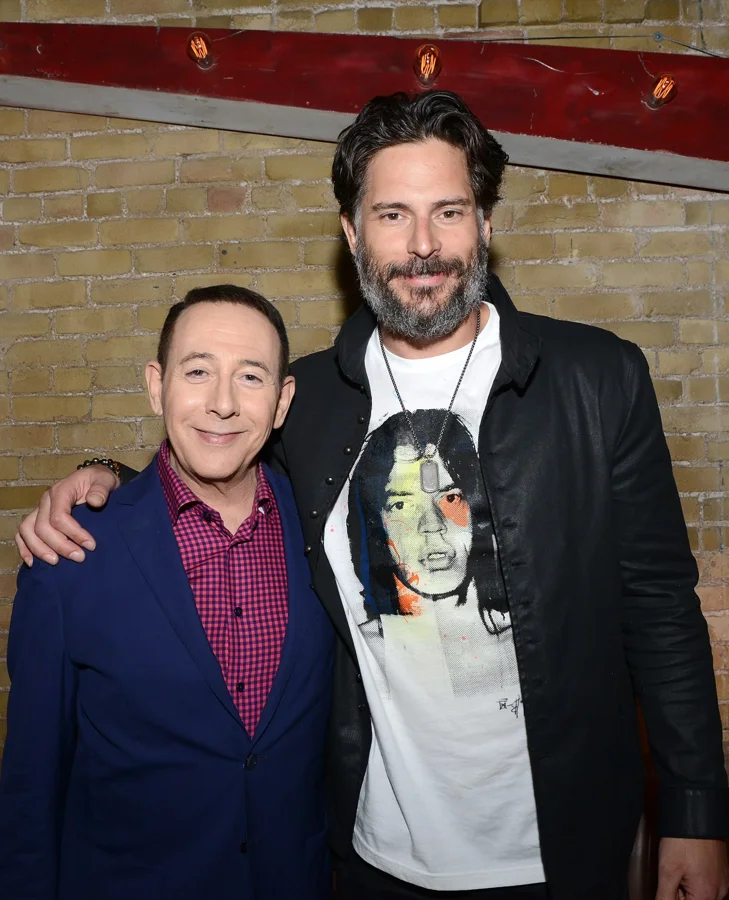
“I had worked in the Amazon with Leo ( DiCaprio) on a movie called ‘Before the Flood’ and I really wanted to do something in the environmental space again.”
However, assembling the film and securing necessary funding proved difficult. Stevens recalled his initial reactions to the footage:
“When I saw the footage, I thought, ‘Okay, this will be good as long as we get the movie together,’ because the movie was a bit of a mess when we started. We also needed money.”
Stevens sought support from streaming platforms like Netflix, known for projects such as Beckham and Tiger King, and connected with former allies at Nat Geo and Discovery, both of which had distributed his earlier documentaries. Yet, the team faced obstacles when Nat Geo acquired a similar documentary, The Territory by Alex Pritz, which also highlighted Indigenous resistance against illegal encroachment in the Amazon. With The Territory showcased at Sundance and picked up by Nat Geo, the industry’s appetite for another Amazon-focused documentary appeared limited.
Producer Maura Anderson contrasted the two films‘ approaches, explaining,
“We think of our film as a lensing up from The Territory,”
aiming to provide a more expansive view of the Amazon’s global interconnectedness. She voiced her frustration,
“I wish that distribution had seen it that way, because I think it could have continued the conversation that The Territory started in such an epic way. But, unfortunately, there is this mindset of like, ‘Well, we can only have one film from Brazil every five years.’”
Overcoming Roadblocks and Expanding Impact
Despite these distribution challenges, the filmmakers and Highly Flammable pressed ahead, raising additional funds and continuing their documentation efforts. Their resilience paid off when We Are Guardians made its international premiere at Hot Docs in Canada in 2023, followed by a festival run and engagement campaign that brought the film to theaters throughout the United States over the subsequent two years.
Executive producer Zak Kilberg outlined the broader resonance of the film‘s message, stating,
“The focus is about localizing the interest and finding local guardians who are dealing with their own environmental issues in these various places.”
He added,
“Whether that’s California or North Carolina, almost every place in the country is being affected by climate change and environmental challenges.”
Kilberg further emphasized the film’s underlying call to action:
“The film is ultimately about activating guardians wherever you are, wherever you live, and showing that we need to come together, stand up, and fight back on these policies that are continuing to harm the environment.”
A major boost came in April when Leonardo DiCaprio’s Appian Way joined as executive producers. Soon after, the distribution company Area23a acquired We Are Guardians, scheduling its theatrical release in Los Angeles on Friday and a subsequent opening in New York on July 11.
The Personal and Professional Balancing Act
Throughout the process, Fisher Stevens acknowledged the financial hardships faced by filmmakers dedicated to social impact stories. He recognized the role that his commercial work, including series like Netflix’s Beckham, played in enabling his ongoing advocacy through film. Stevens openly reflected,
“The way to continue doing these important social issue docs is you have to balance doing other (commercial) docs as a filmmaker,”
further stressing,
“Because we are not going to get paid to do these social impact films, but we have to continue to make them.”
The commitment shown by Stevens, Anderson, Greene, Guajajara, Grobman, Kilberg, and their collaborators ensures that environmental challenges and Indigenous advocacy stories like those in Brazil’s Amazon remain on the public agenda, despite industry barriers and personal sacrifice. We Are Guardians stands as a testament to the perseverance and passion necessary to illuminate crucial global issues through the art of documentary filmmaking.
