
Long before taking charge of Superman and reshaping the DC Universe, James Gunn teamed up with Craig Mazin on a little-known comedic project—James Gunn early superhero satire The Specials, a film that brought together a quirky cast of characters and set the stage for both creators’ future successes. Released in 2000 and directed by Mazin, The Specials delivered a unique, offbeat look at a team of superheroes who exist far from the spotlight, and its impact can still be seen in their later work.
An Unconventional Team: The Premise Behind The Specials
The Specials, conceived as a tongue-in-cheek deconstruction of superhero stories, follows the exploits of a group who call themselves
“the seventh most popular superhero team.”
Unlike the high-stakes battles and cosmic threats seen in contemporary blockbusters, these heroes grapple with mundane challenges and interpersonal squabbles. The group’s anti-corporate ethics and lack of commercial flair mean they’re relegated to less glamorous missions, while fame and toy deals remain out of reach.
Audiences are introduced to the team through Nightbird, the newest recruit, whose entry point serves as a lens for their world. When a new action figure deal goes awry, the underlying tensions come to the surface. The leader, The Strobe—played by Thomas Haden Church—dissolves the team after discovering his wife, Ms. Indestructible (portrayed by Paget Brewster), in an affair with team favorite The Weevil (Rob Lowe). The plot highlights the team’s hilariously low stakes: rather than fighting supervillains for the fate of humanity, they are entangled in trivial disputes and romantic drama.
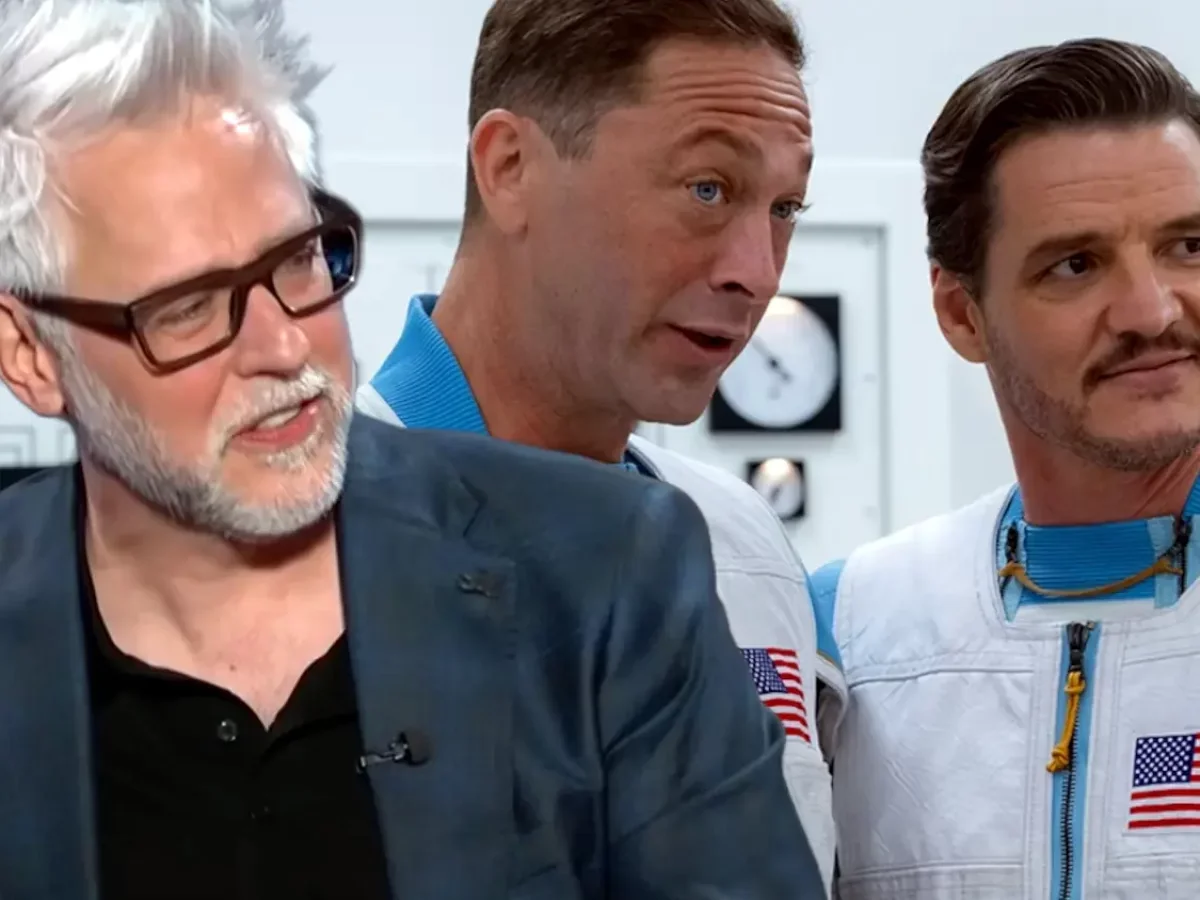
The characters’ idiosyncrasies define much of the film’s humor. Minute Man, played by James Gunn himself, has the power to shrink but is constantly hampered by people mispronouncing his superhero name. Kennedy’s Amok is a former villain trying to fit in with the heroes, yet always feeling mismatched. Nightbird’s peculiar ability to lay weapon-filled eggs only adds to the absurdity, and each team member’s unique insecurity or flaw is used as both comic relief and narrative glue. Themes of forgiveness and belonging are explored not through world-saving heroics, but through everyday struggles and relentless self-doubt, making it both endearing and satirical.
Launching Careers: Mazin and Gunn’s Path From Cult Satire to Blockbusters
The creation of The Specials marked early milestones for both Craig Mazin and James Gunn, setting them on trajectories that would ultimately redefine modern entertainment. For Mazin, the film was a precursor to his later involvement in mainstream comedies such as Scary Movie 3 and Superhero Movie, as well as his transition to hard-hitting drama with acclaimed series like HBO’s Chernobyl and The Last of Us. Even though Mazin became famous for his dramatic storytelling, the heart of his work—complex characters navigating adversity—was already evident in The Specials.
Gunn’s imprint on the superhero genre only grew after The Specials. He moved on to helm smaller films like Super, gradually building a reputation for crafting stories about misfit heroes. His work reached a pinnacle with the Guardians of the Galaxy trilogy, transforming an obscure comic team into global fan favorites. The Guardians films, like The Specials, found strength in group chemistry and off-kilter humor, balancing spectacle with moments of emotional sincerity. Gunn continued this approach with The Suicide Squad and the Peacemaker television series, combining bombastic action with character-driven comedy.
The partnership between Gunn and producer Peter Safran also began with The Specials. Their collaboration ultimately led to their stewardship of DC Studios, where they are set to launch a new vision for superhero stories. With Gunn now working on Superman, the DNA of The Specials—a blend of laughter, heart, and flawed heroes—seems poised to transfer onto an even grander stage.
Cast and Characters: A Star-Studded Ensemble
The Specials assembled a notable cast of comedic and dramatic talents, many of whom have since become household names. Rob Lowe took on the role of The Weevil, while Thomas Haden Church led the group as The Strobe. Paget Brewster appeared as Ms. Indestructible, and Jamie Kennedy portrayed the out-of-place former villain Amok. Judy Greer played the mysterious Deadly Girl, James Gunn himself became Minute Man, and Sean Gunn stepped in as Alien Orphan. Supporting roles included Jordan Ladd as Nightbird and Kelly Coffield as Power Chick.
Even beyond the main team, the film’s small roles featured well-known actors such as Jenna Fischer and Melissa Joan Hart. The diversity and depth of the cast contributed to the film’s unique blend of satire and character study, drawing out the humor arising from their relationships and the bizarre world they inhabit.
Cult Status and Rediscovery Challenges
Despite the later fame enjoyed by its creators, The Specials slid into relative obscurity after release. The film’s initial distribution was limited, with only a sparse DVD release, and finding copies has remained a challenge for most fans. A twentieth anniversary Blu-ray release in 2020 revived interest briefly, but physical editions quickly became rare collectors’ items, with DVDs commanding high prices online.
Unlike James Gunn’s later blockbusters or Mazin’s television masterpieces, The Specials did not receive resounding critical acclaim or broad visibility. However, it is recognized as a curious but genuine early collaboration between two eventual giants in the industry. To this day, the film is not available on major streaming platforms, making it elusive for viewers hoping to explore their earlier work. Its scarcity has not erased its legacy; for dedicated fans, The Specials remains a cult gem, hinting at the creative possibilities soon to be realized by both Gunn and Mazin.
Legacy and Significance of The Specials Today
For enthusiasts of superhero cinema and television—whether they follow Craig Mazin’s darkly emotional journeys in Chernobyl and The Last of Us, or James Gunn’s irreverent but poignant tales in Guardians of the Galaxy, The Suicide Squad, and Peacemaker—The Specials holds up as a fascinating time capsule. The film’s irreverent tone and focus on misfit heroes foreshadow the stylistic signatures that Gunn continues to employ, while the emotional complexity in Mazin’s later projects can be traced back to his comedic roots.
As Gunn’s Superman prepares for its cinematic debut and The Last of Us wraps another acclaimed season, fans may renew interest in this obscure, early satire. Although it may never reclaim mass-market status, The Specials demonstrates how innovation and risk-taking at the margins can eventually transform an entire genre. Its return from obscurity serves as a reminder of the unconventional paths that creative visionaries take—and the unheralded works that lay their foundation.
