
Wes Anderson and Gene Hackman tension on The Royal Tenenbaums set is garnering attention after Anderson spoke candidly about their difficult working relationship in a new interview. The acclaimed director opened up about the strain between himself and the late Hackman during the production of the 2001 film, which was shot in New York and featured a unique cast of characters.
Troubled Beginnings for Anderson and Hackman During Filming
While Wes Anderson is recognized for visually rich films, the experience behind the camera on The Royal Tenenbaums was far from whimsical, especially with Gene Hackman involved. In his recent conversation with The Sunday Times, Anderson highlighted the financial disagreements that set the tone for their collaboration.
“Gene was very annoyed about the money. He was furious. Also, he didn’t want to do the film anyway. I talked him into it — I just didn’t go away. And everybody else said yes to the salary, so Gene just went with it — and that just became our way.”
—Wes Anderson, Director
Hackman, who portrayed the captivating yet flawed Royal Tenenbaum, had initially been hesitant to take on the role. According to Anderson, Hackman’s reluctance and dissatisfaction with salary negotiations cast a shadow over early production days, leading to persistent unease on set. Despite agreeing to the terms shared by the rest of the cast, Hackman’s frustration lingered, shaping the atmosphere for the entire shoot.
Persistent Discomfort and Ongoing Friction
Anderson, who was just 32 at the time and embarking on only his third film, admitted that the tension did not abate as filming progressed. Reminiscing about their interaction after the cameras stopped rolling, Anderson revealed that the relationship remained distant, lacking any warmth or continued contact following the film’s completion.
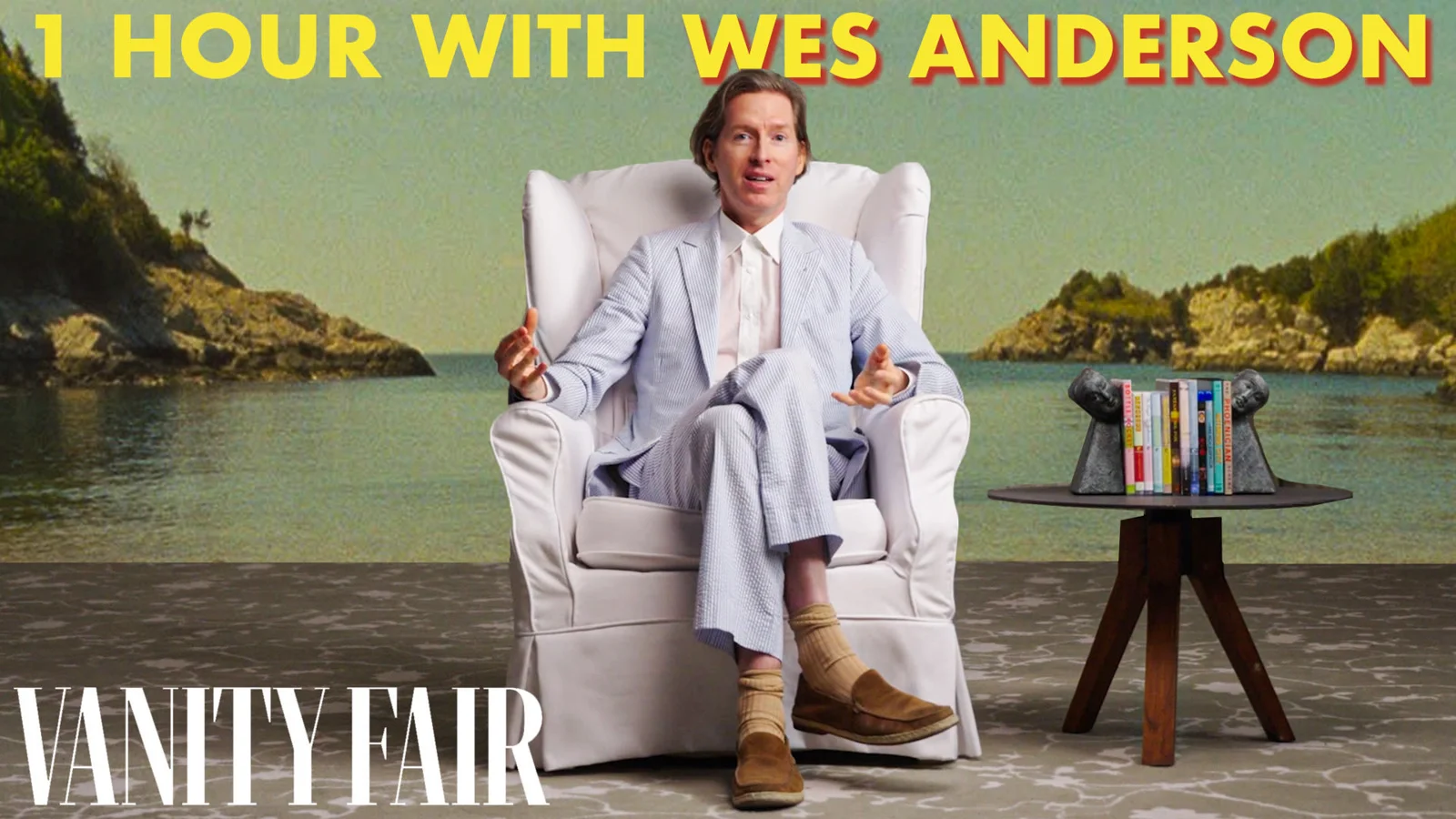
“Not a word. In fact he left without saying goodbye. He was grumpy — we had friction. He didn’t enjoy it. I was probably too young and it was annoying to him.”
—Wes Anderson, Director
Hackman’s disconnect extended beyond Anderson to others in the ensemble, with his discomfort in the collaborative environment evident to both cast and crew. Even after the movie’s highly anticipated release, there was no attempt at reconciliation or reunion between director and actor. Their last exchange occurred right as The Royal Tenenbaums hit theaters, marked by a sense of unresolved tension and lack of closure.
The Last Exchange and Lingering Uncertainty
The final conversation between Anderson and Hackman occurred during the film’s debut. Anderson revealed that, although Hackman appreciated the final product, he admitted to struggling with the material during filming. This suggests that Hackman’s resistance was compounded by artistic uncertainty as well as interpersonal challenges. Anderson reflected that an earlier preview of the film’s direction might have improved their understanding.
“And he liked it, but he told me he didn’t understand it when we were shooting. I wish I’d shown him 10 minutes, early on. Then, maybe, he would have said, ‘OK, I get it.’”
—Wes Anderson, Director
Insights From Cast Members and the Demands of the Role
Gene Hackman, who passed away in April, was known in his later years for taking on only select film roles. Bill Murray, a fellow cast member and frequent Anderson collaborator, shared his own perspective on Hackman’s experience during the making of The Royal Tenenbaums. Murray acknowledged the weight of responsibility Hackman carried, as well as the complex dynamics at play within the diverse cast, which included children, dogs, and comedian Kumar Pallana, who played the role of Pagoda.
“I sympathize with Gene because to him, Wes Anderson was just a punk kid and Gene’s made some of the greatest American movies. So he was a little irritable. But he had to work with children, dogs, Kumar [Pallana, who played valet Pagoda], who was like an absolute mystery to all of us anyway.
“They put him in very challenging positions to work, and so he just felt a lot of responsibility and kept thinking, ‘What am I doing here with these people?’ But the performance he gives is brilliant. And I watched him, and I suffered with him because I saw what he was going through.”
—Bill Murray, Actor
Murray’s account underscores that the environment may have felt unfamiliar and strenuous to Hackman, contributing to his frustration and mood during production. The unique mix of cast members and the demands placed on Hackman left him questioning his place within the creative process, intensifying the feeling of being out of step with Anderson’s vision.
Legacy of Tension and Artistic Excellence
Despite the behind-the-scenes struggles, Hackman’s performance as Royal Tenenbaum is widely regarded as a highlight of the film and a testament to his enduring talent. The role, brought to life despite the clear strain with Anderson and the rest of the cast, stands as one of the most memorable achievements of Hackman’s late career. The film’s legacy, shaped in part by this creative friction, continues to captivate audiences and film enthusiasts alike.
The story of Wes Anderson and Gene Hackman tension on The Royal Tenenbaums set serves as a reminder that creative conflicts sometimes fuel artistry, even when the process is marked by personal distress and discordant relationships among key figures like Hackman, Anderson, Pallana, and Murray. With the film remaining a staple of Anderson’s unique body of work, the memories of these tensions offer insight into the realities of filmmaking, where notable performances are sometimes born out of challenging personal dynamics.
