
Clint Eastwood‘s Heartbreak Ridge controversy with US Marine Corps erupted in 1986 when the military leadership distanced itself from the film shortly after its premiere, objecting to its depiction of Marine life, even though many soldiers appreciated the movie’s authenticity. The controversy unfolded as Eastwood, a war veteran who often celebrated military themes, faced pushback from the same institution that initially cooperated with his production.
Background of Clint Eastwood’s Military Films and Heartbreak Ridge
Clint Eastwood, having once served as a veteran during the Korean War, has directed and starred in films that examine the role of the American military across many conflicts. His movies consistently project patriotism, often portraying soldiers sympathetically and justifying their actions during wartime. Through titles like Dirty Harry and American Sniper, he cemented a pro-military reputation. Eastwood’s politics—characterized by libertarian and some conservative views—also align with the themes found in his work.
Heartbreak Ridge, set against the backdrop of the Grenada invasion, follows Tom Highway, a Gunnery Sergeant assigned to bring discipline to a Recon Platoon that had fallen into disorder. Employing unconventional and sometimes abrasive methods, Highway initially made enemies within his unit, only to win them over after leading them to success during Operation Grenada. Early in production, the US Marine Corps actively supported the project, even allowing real Marines to serve as extras and promising the film recognition in its credits.
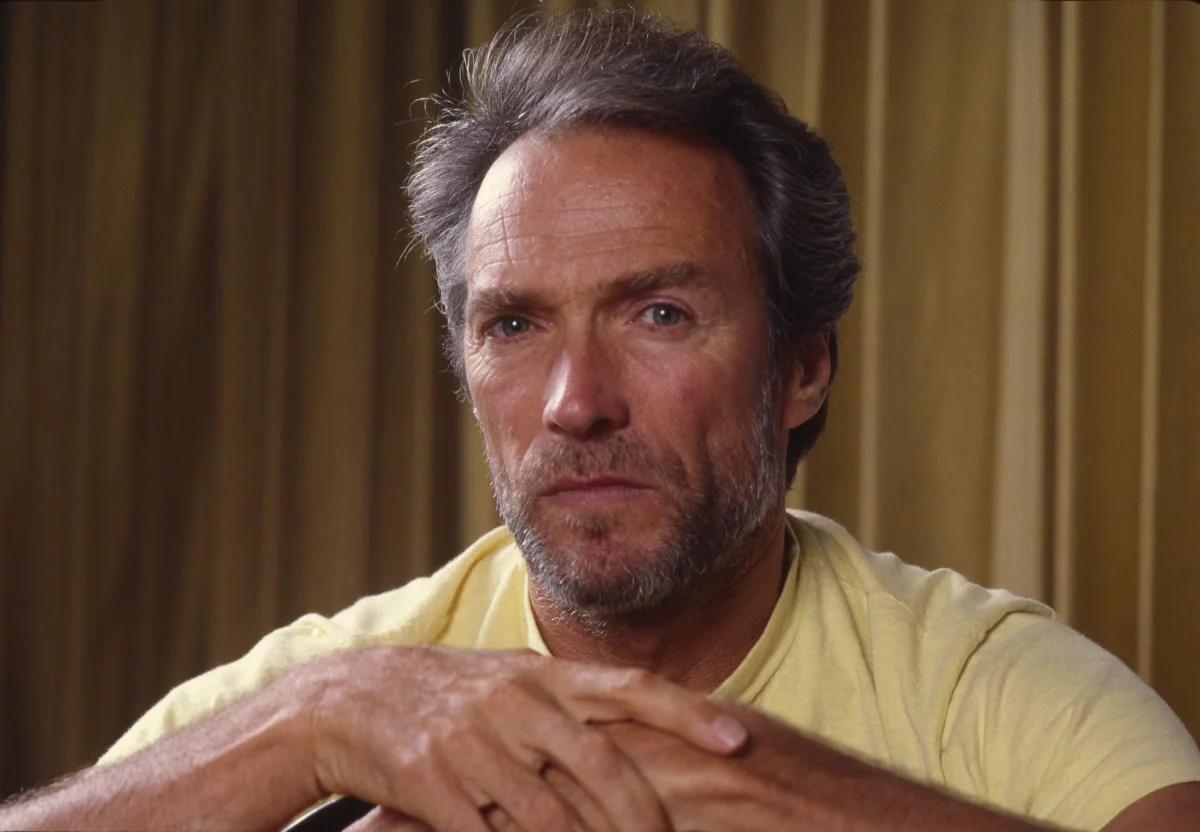
Marine Corps Leadership Versus Rank-and-File Soldiers
Despite initial cooperation, senior figures in the Marine Corps withdrew their endorsement and later disowned Heartbreak Ridge after viewing the finished cut. Their objections centered on the film’s portrayal of abusive, brash sergeants and soldiers, which conflicted with the image the Corps wished to present. Credits and official acknowledgments of the Marine Corps were removed as a result, as reported by the LA Times.
Nevertheless, reports indicated a division within the ranks. Soldiers serving in the Corps found Eastwood’s depiction of military life to be realistic, even praising the film for its accuracy in capturing their experiences. Objections by leadership specifically focused on the behavior and language shown in the film; many Marines, however, felt that the rawness and use of explicit language mirrored the reality of service.
The controversy did not reflect negatively among all viewers. Although Heartbreak Ridge earned a moderate score from critics—holding a 68 percent rating on Rotten Tomatoes—it remains one of Eastwood’s well-regarded films, admired for its intensity and raw portrayal of military culture. Tom Highway’s character, the stressed dichotomy between command and “on the ground” soldiers, and the film’s political undercurrents resonated with both military personnel and broader audiences.
Clint Eastwood’s Response to Official Backlash
Clint Eastwood, having served in the Korean War himself, responded openly to criticism from the Marine Corps leadership after they withdrew support for Heartbreak Ridge. He voiced frustration not only with the objections but also with the consequences that followed, citing the cancellation of numerous charity and military screenings which had been planned during the film’s release.
“It’s a shame that a charity has to lose money because of somebody who’s got a bee under his rear end somewhere…With all these earth-shattering things going on back there [the Iran arms crisis], you wouldn’t think they would spend energy on something like this. It is not something of national security. In the words of Alfred Hitchcock, ‘It’s just a movie.’”
—Clint Eastwood, Actor/Director
Eastwood argued that the resulting controversy over Heartbreak Ridge was misplaced and grew out of proportion with the film’s intent. He noted that, while U.S. military films have historically been used for recruitment, the more candid depiction presented in Heartbreak Ridge may not have suited the official image the Corps sought to maintain. The withdrawal of endorsement not only affected official support but also prevented fundraising opportunities connected with screenings.
Lasting Effects of the Heartbreak Ridge Controversy
Clint Eastwood’s Heartbreak Ridge controversy with US Marine Corps left a distinct mark on how Hollywood interacts with military institutions, exposing the tension between authentic portrayals and institutional image management. The film’s reception demonstrated a divide between military leadership seeking to control media representation and service members who saw their experiences reflected honestly on screen. The dispute also highlighted how public institutions can influence or restrict access to art when it clashes with their preferred narrative.
Even after decades, Heartbreak Ridge remains available for audiences to watch and consider within the broader context of Eastwood’s career and American war films. The incident continues to prompt dialogue about which voices get to define authenticity in cinema and military storytelling, raising questions about creative freedom and institutional power. Regardless of official condemnation, the film’s ongoing relevance underlines its impact both within the armed forces and among the American public.
