
In 2014, Oscar-winning actress Jennifer Lawrence found herself at the center of a digital crisis after explicit personal images were stolen and distributed online in what became known as “the Fappening” scandal. The Jennifer Lawrence response to the Fappening scandal timeline not only highlighted the vulnerability of celebrity privacy in the age of cloud storage but also exposed the widespread inadequacy of digital consent and security protections.
The 2014 Data Breach and Its Immediate Fallout
At the time, Jennifer Lawrence, then 24, was among Hollywood’s most recognized faces, starring in major franchises like X-Men and The Hunger Games. On August 31, 2014, two private photographs of her surfaced in a newly created Reddit forum dedicated to these breaches, prompting swift and widespread online distribution. Unlike others impacted, Lawrence’s high-profile status drew increased media attention, amplifying the scandal’s reach and intensity.
Rumors circulated online questioning the legitimacy or motive for the leaks, but Lawrence’s publicist soon confirmed the images were authentic and intended for private sharing with a former partner. In the following weeks—specifically on September 20 and 26—the situation escalated when more batches of her photos, alongside images of other victims, were released publicly, leading to frenzied media scrutiny and public conversation.
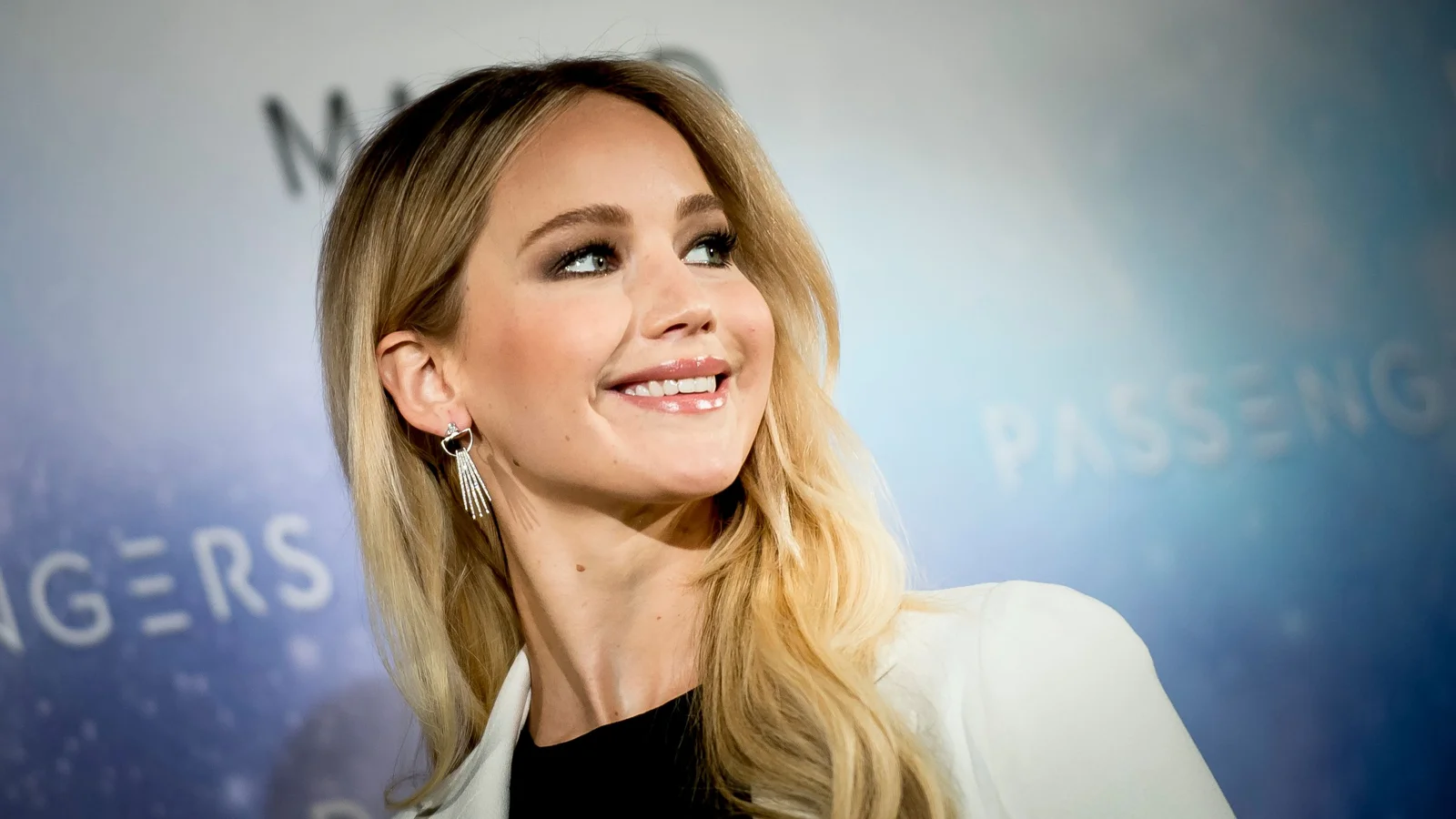
Amid mounting outcry and relentless image redistribution, the FBI commenced an investigation into the sophisticated phishing operation that targeted cloud storage accounts, a case later widely referred to as Celebgate. Criticism arose from those who believed the authorities responded with unusual urgency only because of the celebrities involved, sparking debate on whether ordinary victims would receive similar support.
How Tech Companies Responded and Public Backlash
In the wake of the incident, Apple’s CEO Tim Cook announced a series of iCloud security improvements in response to the public’s concern and the direct targeting of platforms used by the hackers. Proposed changes included more robust verification protocols and real-time login alerts. Google, meanwhile, faced fierce criticism for its slow removal of search results connected to the stolen images; attorneys for multiple actresses accused the tech giant of negligence and threatened legal action. Reddit repeatedly deleted the illicit content, but clones and new forums kept appearing, keeping the controversy alive.
Jennifer Lawrence’s Outspoken Reaction and Push for Change
Jennifer Lawrence, through her representatives, issued strong warnings regarding the criminal implications of sharing or uploading the hacked content. She later described her ordeal as a grave breach of consent during an interview with The Guardian, emphasizing the severity of searching for and viewing the stolen material, which she labeled as participating in the crime itself.
During an October 2014 interview with Vanity Fair, she passionately condemned the exploitation and dehumanization of victims for profit:
“The law needs to be changed, and we need to change. That’s why these websites are responsible. Just the fact that somebody can be s*xually exploited and violated, and the first thought that crosses somebody’s mind is to make a profit from it. It’s so beyond me. I just can’t imagine being that detached from humanity. I can’t imagine being that thoughtless and careless and so empty inside,”
—Jennifer Lawrence, Actress
Her comments, notably calling the scandal “disgusting” and equating searching for the images with complicity in the violation, drew both empathy and criticism. While some supported Lawrence’s call for accountability, others argued she was assigning excessive blame to viewers when, as actress Emily Ratajkowski stated, responsibility should be exclusively placed on the hackers and thieves, not the general audience. The debate highlighted ongoing societal disagreements about digital privacy, ethical culpability, and victim-blaming.
Legal Proceedings and the Broader Aftermath
Thanks in part to pressure from Jennifer Lawrence and other victims, the FBI investigation continued vigorously for several years. Between 2016 and 2018, five people—Ryan Collins, Edward Majerczyk, George Garofano, Emilio Herrera, and Brenden Alper—were convicted for their roles in the hack, receiving prison sentences ranging from eight to 34 months. The case marked one of the most publicized legal crackdowns on digital theft of personal data involving celebrities.
Lawrence’s refusal to let the issue fade into gossip forced authorities, companies, and the public to grapple more seriously with questions of privacy and digital safety. Her advocacy made it harder for media and technology platforms to dismiss celebrity leaks as mere tabloid fodder. As a result of her resilience and public stance, Jennifer Lawrence’s dignity and career prospects did not falter—in fact, she became the highest-paid actress in Hollywood within a year.
The Lasting Influence on Digital Privacy and Celebrity Culture
The Jennifer Lawrence response to the Fappening scandal timeline set new precedents in how society confronts and critiques digital exploitation. It intensified the public’s demand for stronger online protections, encouraged other victims to speak out, and pressured both tech giants and lawmakers to take meaningful steps against similar threats.
Ultimately, her experience underscored the urgent need for evolving legal frameworks, more robust technology safeguards, and a societal commitment to respecting digital privacy for all, regardless of fame. The episode remains a pivotal moment in Hollywood, technology, and the ongoing fight for personal consent online.
