
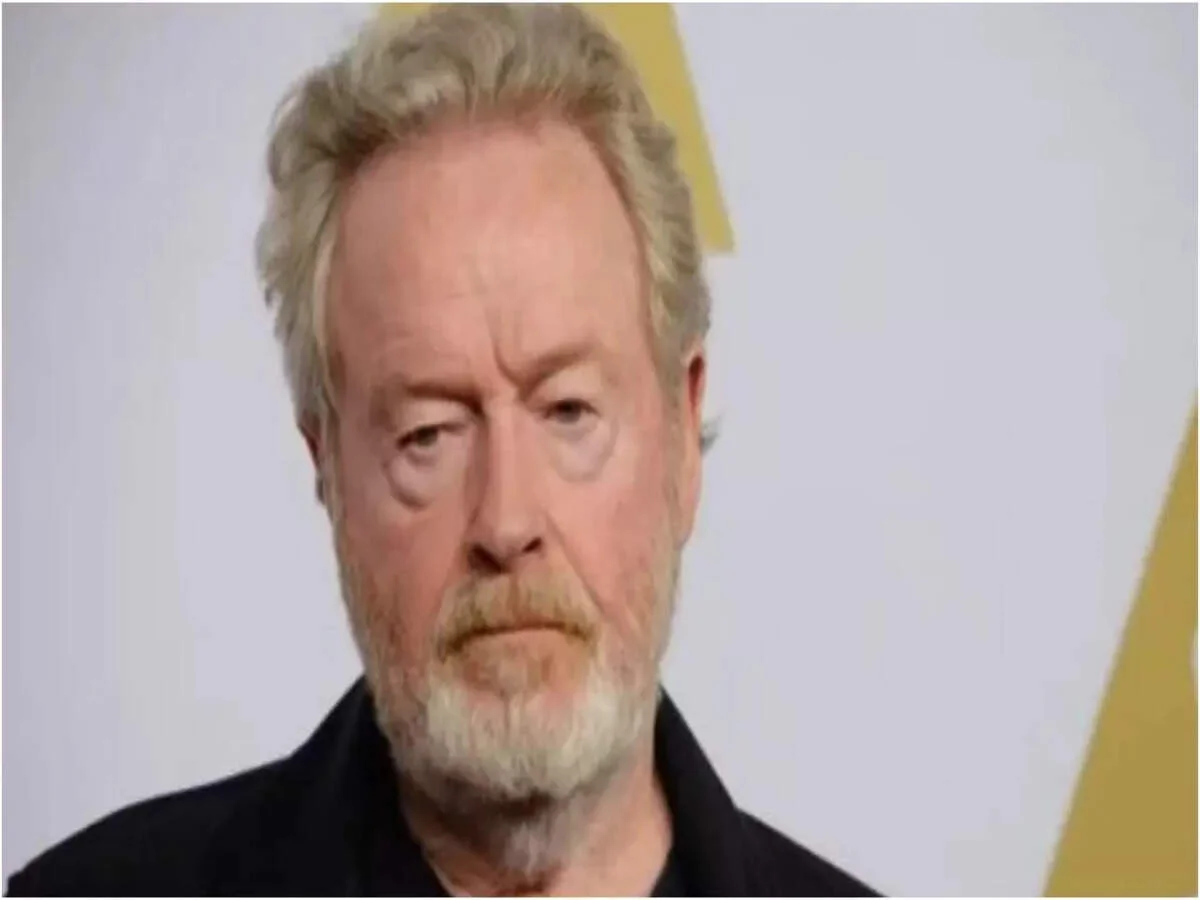
Ridley Scott has officially announced his decision not to direct any more films in the Alien franchise, closing a significant chapter in science fiction and horror history. The renowned director’s departure comes after three contributions to the series, marking the end of an era for both Scott and the acclaimed saga he helped define. The topic of Ridley Scott departure from directing Alien franchise now generates renewed discussions among fans and industry observers about the future direction of Alien.
Ridley Scott’s Enduring Mark on the Alien Franchise
Scott’s original Alien film is often cited as one of the most influential entries in both science fiction and horror. Released to a mixed reception, its meticulous craftsmanship ultimately secured commercial success and a lasting legacy. Scott’s approach, characterized by detailed set design and atmospheric tension, set a new standard for the genre, positioning Alien alongside iconic works like those of George Lucas’s Star Wars and the Star Trek franchise. While the initial film received its share of divided opinions, it managed to leave a profound mark on audiences and critics alike.
Despite the franchise’s enduring popularity, Scott’s direct involvement was mostly limited to his original film and, many years later, to the prequel efforts. For many of the sequels, he distanced himself, expressing limited enthusiasm for the directions taken by other directors. He did, however, acknowledge the quality of James Cameron’s sequel, Aliens, while noting a sense of disappointment regarding subsequent installments. More recently, Scott served as a producer on Alien: Romulus, reinforcing his ongoing, albeit less hands-on, relationship with the series.
Scott’s Perspectives on Sequels and Franchise Development
Scott has been candid about his lukewarm view of the sequels that followed his original vision. During a recent conversation with ScreenRant, he reflected on his long-standing and evolving relationship with the Alien universe. He described his film as a genre-defining accomplishment, matching the cultural impact of works by George Lucas and those behind Star Trek.
Following the release of Alien, the prospect of a sequel surfaced swiftly, but a lack of enthusiasm among key decision-makers at 20th Century Fox led to uncertainty about continuing the story. Many executives doubted whether the box office and fan interest justified producing another film. The situation was complicated further by legal disputes over profit-sharing between Fox and the production company Brandywine, with the studio even labeling the film a financial disappointment despite strong earnings. It was not until Lawrence Gordon assumed leadership at Fox that a sequel gained traction, leading to James Cameron’s involvement.
Cameron’s Aliens faced its own hurdles during production, notably with conflicts between the director and the British crew at Pinewood Studios, yet the film was ultimately met with praise. Later entries, such as David Fincher’s third film and Jean-Pierre Jeunet’s Alien Resurrection, failed to replicate the acclaim of their predecessors.
Scott voiced his surprise at the renewed popularity of the franchise in his interview, noting a previous belief that the series had reached its end after four installments. He was critical of most sequels, expressing regret over what he saw as lost potential, especially given his view that Alien could have held a place equal to the likes of Star Trek or Star Wars. He stated:
It is spreading like wildfire, and not really. I think I felt it was deadened after 4. I think mine was pretty damn good, and I think Jim’s was good, and I have to say the rest were not very good. And I thought, ‘F***, that’s the end of a franchise which should be as important as bloody Star Trek or Star Wars,’ which I think is phenomenal.
Scott’s disappointment is long-standing. He previously remarked to THR about the business side of Hollywood, citing missed opportunities for ownership stakes. Regarding the sequels, he admitted:
I watched Alien 2, 3, and 4 and realized, ‘Oh, you just ran that firmly into the ground.’
The dynamic between Scott and Cameron was also highlighted, with Cameron acknowledging the unique impact Scott’s original film had made. Scott recalled:
Jim said to me, ‘I’ve watched f**king Alien 19 times. I can never be as frightening. The cat’s out of the bag, we’ve seen the shark. So I’m going to go more military.’
In reflecting on Cameron’s approach, Scott added:
And that’s what he did. But it was sweet that he said that.
Inspiration behind the Original Alien and Scott’s Role in Reviving the Series
In his discussions with ScreenRant, Scott credited two main influences behind his work on Alien. One was his experience watching George Lucas’s Star Wars a year prior, which he called a pivotal moment in cinema for both style and narrative possibilities. He commented:
I think the first one by George is seminal… To me, it was that important in terms of film language and where you go next.
Another inspiration was Jean Giraud (Moebius), the renowned French comic artist whose work inspired the film’s unique visual style. Scott eventually enlisted Moebius to help craft the movie’s storyboard. Nevertheless, Scott admitted to feeling slightly slighted upon learning he was not the initial pick for directing Alien. He elaborated:
Why you offered Robert Altman Alien, God only knows. Altman said, ‘Are you kidding? I’m not going to do this,’ and I went, ‘Are you kidding? I have to do this,’ because it borders and verges on heavy metal. So that’s where I went, and then it died.
After Alien: Resurrection, the franchise languished for over ten years. Scott eventually chose to return, collaborating with Damon Lindelof on what would become Prometheus, a prequel to the original narratives. Prometheus achieved commercial success, resulting in Scott also directing Alien: Covenant later on, though Covenant’s reception did not match its predecessor.
While Scott was shaping Prometheus, filmmaker Neill Blomkamp proposed his own take on the franchise, planning a direct continuation of Cameron’s Aliens that would bypass the stories of David Fincher’s film and Alien Resurrection. Despite the parallel development of these visions, the franchise ultimately followed Scott’s direction for its revival.
Reasons Behind Ridley Scott’s Final Decision to Step Away
The critical and commercial response to Alien: Covenant proved pivotal for Scott. He explained to THR that, even after bringing renewed attention to the franchise with two new prequels, he missed securing a firm stake in the property. Expressing his frustration, Scott said some individuals in the business world had tried to take advantage of him, leading to a professional separation from them.
During his latest interview with ScreenRant, Scott summarized his perspective, stating that he had contributed all he could to the Alien universe. He expressed a hope that the series would thrive in his absence. He explained:
Where it’s going now, I think I’ve done enough, and I just hope it goes further.
Although Scott’s directorial involvement has ended, his connection to Alien continues. He played an executive producing role on Fede Álvarez’s Alien: Romulus, with his company, Scott Free Productions, being a key participant. As Álvarez plans a sequel to Romulus, Scott’s role as a producer is expected to persist.
Additionally, Scott serves as executive producer for Alien: Earth, a TV show by Noah Hawley set two years before the original Alien, featuring actors such as Sydney Chandler, Timothy Olyphant, Alex Lawther, Essie Davis, and Samuel Blenkin. Beyond these engagements, there have been no indications that Scott will return to directing future installments.
The Future of Alien After Scott’s Departure
With Scott’s exit from the director’s chair, questions linger about how the franchise will reinvent itself in an evolving media landscape. The torch now passes to a new generation of storytellers, who are tasked with not only honoring the series’ rich legacy but also exploring fresh perspectives. Much of Scott’s creative influence will remain evident through his ongoing production roles and in the visual signatures established in his early work.
All films in the Alien series are currently available to watch on Hulu. Fans and critics alike will be monitoring future projects— including the upcoming sequel to Alien: Romulus and the Alien: Earth series— to see if the franchise can sustain its momentum without Scott at the helm. The mark left by Ridley Scott departure from directing Alien franchise is certain to influence future creators, as the world of Alien continues to expand in bold new directions.
