
Ridley Scott raised by wolves cancellation streaming trend emerged in full force when HBO Max abruptly ended the visually stunning and philosophically rich sci-fi series Raised by Wolves in June 2022. Despite critical acclaim and a dedicated audience, the show was not only canceled after two seasons but later removed from the streaming platform, underscoring a troubling shift in how ambitious science fiction is handled by major streamers.
A Groundbreaking Sci-Fi Show Ends Before Its Time
Debuting in 2020, Raised by Wolves quickly distinguished itself as a standout entry in modern science fiction television by combining Ridley Scott’s masterful world-building with creator Aaron Guzikowski’s thought-provoking narrative. Audiences were drawn into the strange and often unsettling aftermath of Earth’s destruction, joining androids Mother (Amanda Collin) and Father (Abubakar Salim) as they attempted to nurture human children on the harsh landscape of Kepler-22b. The show explored deep themes around religion, evolution, and artificial life, areas Scott has often examined, notably in Alien and Blade Runner.
Its imaginative production design and eerie tone offered a rare, refreshing take on sci-fi, where bleak alien terrains and complex characters set it apart from standard fare. Performances by Amanda Collin as the simultaneously nurturing and formidable Mother, and Abubakar Salim as the steadfast Father, added emotional intensity, while Travis Fimmel’s portrayal of Marcus fueled clashes between atheists and religious zealots, giving the story additional layers of ideological conflict. Raised by Wolves’ unique vision built a world that felt both familiar and utterly foreign, deepening viewers’ investment in humanity’s fate and the mystery of sentient machines.
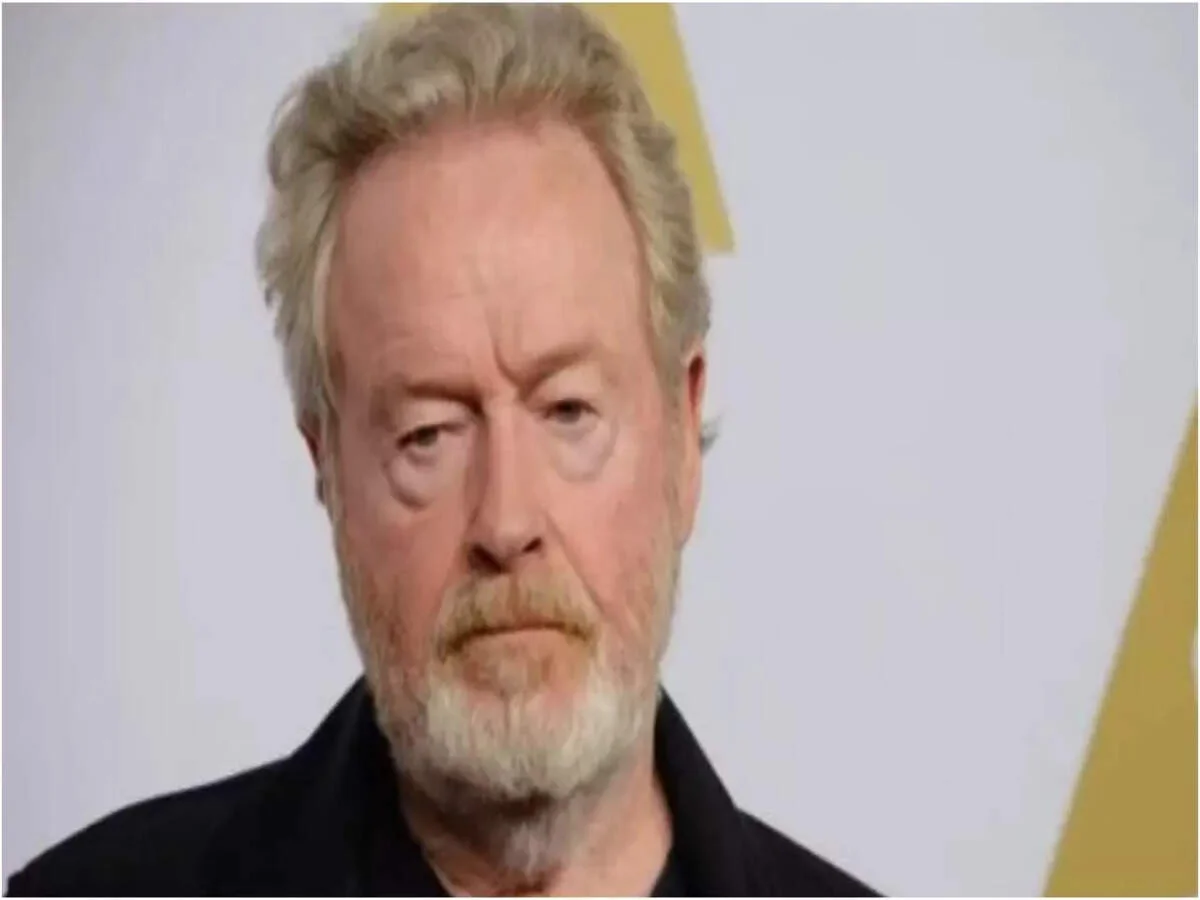
After just two seasons, fans were left reeling when HBO Max cut the show short, ending abruptly with a major cliffhanger in the episode titled Happiness. The cancellation halted the exploration of core mysteries—including revelations about Kepler-22b and the evolving nature of the androids—right as the series appeared poised to dig deeper. The sense of loss was amplified by how clearly the narrative had been designed for a longer, more expansive arc, leaving key questions unresolved and viewers without closure.
The Pattern Behind the Cancellation: Streaming’s Harsh Reality for Sci-Fi
The end of Raised by Wolves was not merely an isolated decision but part of a growing trend affecting sci-fi and fantasy programming across multiple platforms. Ambitious shows with niche yet intensely loyal followings—such as The OA, 1899, Snowpiercer, and Night Sky—have repeatedly found themselves canceled after a season or two, falling victim to the expensive requirements of world-building and serialized storytelling.
Ridley Scott’s series was especially heartbreaking for its audience because it was intrinsically suited to slow-burn storytelling. Building complex mythology and establishing a believable, unique culture on Kepler-22b required time and patience—qualities increasingly at odds with the streaming industry’s hunger for immediate returns. With executives and investors often prioritizing fast surges in viewership metrics over long-term audience cultivation, original shows without quick, broad appeal face the chopping block, regardless of their creative merit.
When Raised by Wolves was canceled just as it started expanding the show’s mythos—introducing larger mysteries and threats, hinting at vast ancient civilizations, and revealing competing visions for humanity’s survival—the creative potential left untapped was apparent. Many viewers, critics, and creators have observed how this short-sighted approach by platforms undermines science fiction’s greatest strengths: world-building, philosophical exploration, and gradual narrative payoff. HBO Max’s decision to discontinue the Ridley Scott series thus joined a chorus of discontent surrounding how unique genre storytelling is increasingly sacrificed for immediate gains.
Removal From HBO Max: Erasing a Sci-Fi Vision
The disappointment deepened in late 2022 when Warner Bros. Discovery removed Raised by Wolves entirely from HBO Max (now branded as Max) during a larger cost-cutting content purge following the corporate merger. This decision affected not just the Ridley Scott series but dozens of shows and movies, making them unavailable to both established viewers and potential new fans. For many, eliminating one of the platform’s most distinguished originals felt especially harsh, stripping away even the slight hope for continued word-of-mouth and a possible future revival.
Streaming platforms were once heralded for increasing accessibility to content, yet this type of removal produced an opposite effect. Original series, even those with cult appeal like Raised by Wolves, vanished, frustrating subscribers who had supported them from the beginning. The absence of a physical release or widely available digital alternative at the time of the removal ensured that the show became almost impossible to watch legally, regardless of fan demand or critical appreciation.
Although the series later found a limited home on free ad-supported services such as Roku and Tubi, the initial damage was already done. The removal highlighted how unpredictable content availability can be in the streaming world. Science fiction fans who had invested in the journey of Mother, Father, Marcus, and the children of Kepler-22b were left with an unfinished story and no conventional way to engage further. This situation left a sense of frustration among loyal viewers and underscored the vulnerability of digital-only entertainment.
The Broader Impact and an Uncertain Future for Ambitious Sci-Fi
The cancellation and disappearance of Raised by Wolves is more than just a lost opportunity for Ridley Scott and Aaron Guzikowski; it is emblematic of the precarious state of high-concept genre storytelling in the age of streaming. As more original science fiction and fantasy series are prematurely dropped, the very audiences that streaming platforms once sought to attract now feel alienated by pulled support for non-mainstream narratives.
Actors like Amanda Collin, Abubakar Salim, and Travis Fimmel, as well as countless fans and critics, have highlighted the sense of abrupt loss, reminding studios and platforms of the importance of nurturing creative risks and rewarding dedicated niche audiences. The Ridley Scott raised by wolves cancellation streaming trend reveals a rift between innovative storytelling and the business realities of contemporary entertainment, signaling a need for change if future ambitious projects are to survive—and thrive.
