
Samuel L. Jackson’s 0 percent rating proves anime adaptations fail when they do not respect the spirit of their source, as demonstrated by the live-action film Kite. In 2014, this movie’s complete rejection by critics and audiences underscored that a famous cast cannot rescue a poorly executed adaptation.
Kite Proves That Star Power Alone Isn’t Enough
Kite’s attempt to capitalize on Samuel L. Jackson’s popularity backfired when the film debuted to a 0% score on Rotten Tomatoes, a rare and embarrassing outcome. Despite the pedigree of its lead actor, Kite faltered both with fans of the original Yasuomi Umetsu anime and with newcomers seeking compelling drama.
The movie tried to bring to life a dark, emotionally charged story, but the transition from animated cult classic to live-action watered down the essential grit and complex intensity that defined the original. By diluting these aspects, Kite lost its unique impact, morphing into a generic revenge plot that had little to set it apart from others in the genre.
The film follows Sawa, a teenage assassin determined to avenge the deaths of her parents—a promising setup for drama and action. Samuel L. Jackson took on the role of Karl Aker, a former police officer who aids Sawa on her vengeful quest. Although the performances themselves were not entirely panned, they ultimately could not compensate for a script that failed to capture the magnetic force of the original anime’s narrative.
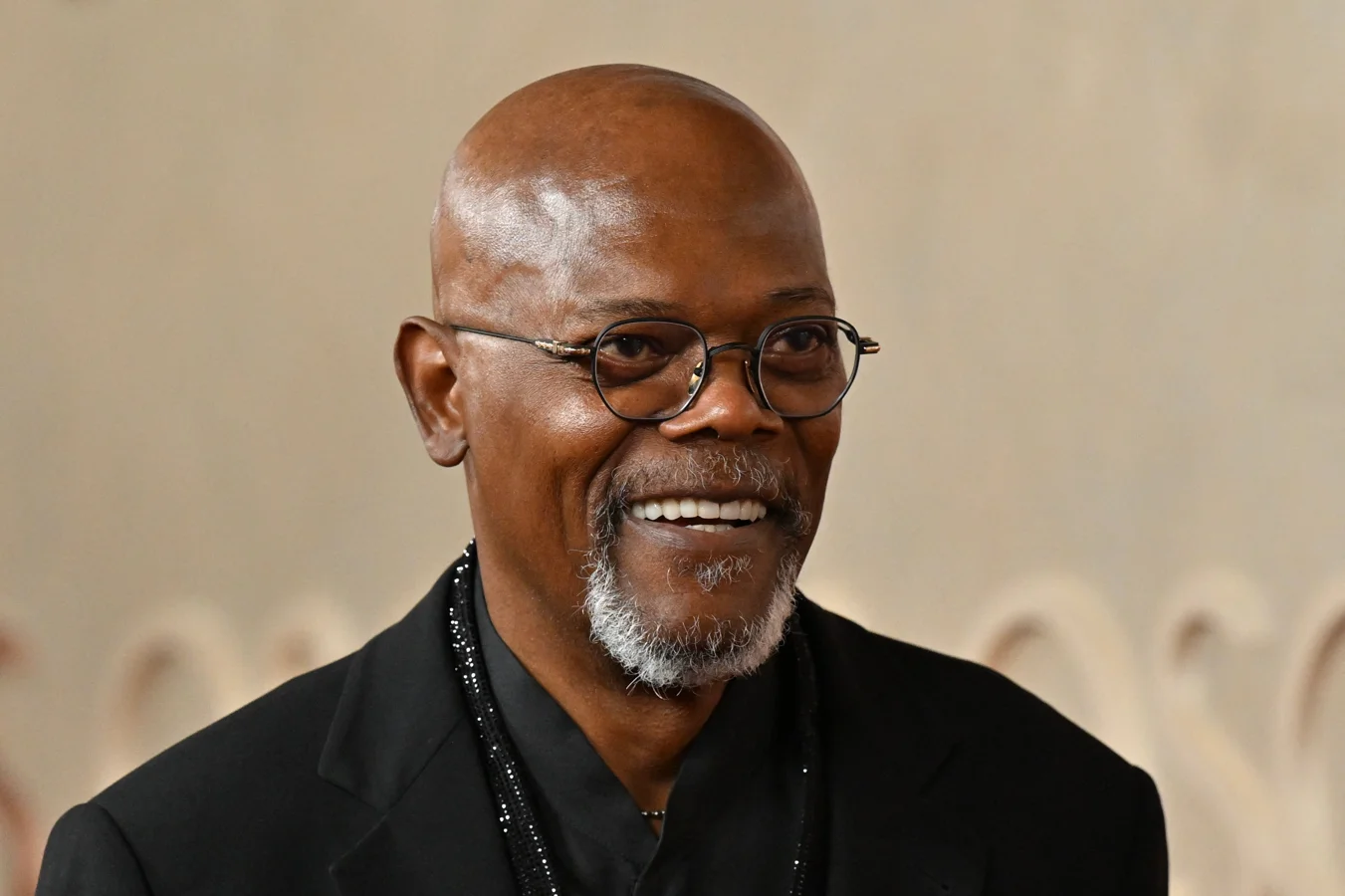
Kite serves as a warning that the practice of remaking beloved anime into live-action blockbusters is risky, especially when studios treat star casting as a stand-in for authentic storytelling. The movie’s failure demonstrates that understanding and honoring the source material is critical. When studios attempt to “fix” or sanitize what made an anime resonate with its fanbase, the resulting project can be rejected by both critics and audiences.
While Kite underperformed spectacularly, 2014 was not a losing year for Samuel L. Jackson himself. That same year, he portrayed Nick Fury in Captain America: The Winter Soldier, a film which became the third highest-grossing movie worldwide and earned over $714 million, according to The Numbers. This contrast illustrates that even major stars like Jackson are not immune to a film’s overall quality or its reception when the story falls short.
Persistent Problems With Anime-to-Live-Action Adaptations
Kite’s collapse was not unique—many live-action anime adaptations have struggled. Among the most notorious of these failures is Dragonball: Evolution, which released in 2009. This adaptation attempted to reinterpret the legendary anime series for wider audiences but was met with harsh criticism and fan disappointment.
Dragonball: Evolution struggled at the box office, earning only $9.4 million in the US against a $30 million budget, according to The Numbers. Its global total reached a little over $56 million, a figure that fell short of recovering production and marketing expenses. The adaptation was widely panned for weak performances and its substantial departures from Akira Toriyama’s original vision, earning only a 14% rating on Rotten Tomatoes.
The backlash among fans was so strong that it reportedly prompted Akira Toriyama to return from retirement to revive his creation, resulting in new animated movies and the Dragon Ball Super series. Even the screenwriter publicly apologized for the film’s shortcomings, further highlighting how reverence for the source material often means more to fans than big names or special effects.
Samuel L. Jackson’s 0% outing with Kite thus sits alongside Dragonball: Evolution as an example of the pitfalls facing anime adaptations that misjudge what audiences want. For many, these films prove that celebrated actors and nostalgic branding cannot disguise weak scripts or a lack of understanding of the original work’s core appeal.
The Broader Impact on Studios and Audiences
The repeated failures of films like Kite and Dragonball: Evolution have made both studios and audiences more skeptical of anime adaptations. Studios often pursue these projects with the lure of an existing fanbase but can fall into the trap of altering the narrative or style in ways that alienate the very audiences they hope to attract.
The failures have also encouraged fans to voice their expectations loudly, as seen by Akira Toriyama’s intervention after Evolution’s poor reception. As a result, studios now face pressure to either closely adhere to the original anime’s vision or reconsider the merit of pursuing such adaptations altogether.
While both Kite and Dragonball: Evolution are now available for rent on platforms like Apple TV and Amazon Video in the USA, their legacy remains a cautionary tale for producers. Samuel L. Jackson’s 0 percent rating proves anime adaptations fail when they stray too far from the roots that made the original works beloved in the first place—a lesson Hollywood continues to grapple with as it eyes future projects in this challenging genre.
