
Film director Quentin Tarantino, long admired for his bold cinematic style, is also well known for his passionate opinions about a wide range of movies—including those rejected by critics and audiences alike. His affection for
“bad movies loved by Quentin Tarantino”
is no secret, having shared praise for more than 200 films, including many that have earned notoriety for negative reviews and Razzie nominations.
Tarantino’s journey from five years behind the counter at a Manhattan Beach video store to the director’s chair in Hollywood forged his deep appreciation for all kinds of cinema. Even the most panned productions earned his respect if they offered something unique, and his willingness to champion these titles continues to surprise both fans and industry insiders. Here are 10 films, critically lambasted but beloved by Tarantino, and why his perspectives stand apart.
Battlefield Earth: A Futuristic Flop That Won Over Tarantino
Set in the year 3000, “Battlefield Earth” depicts a devastated planet dominated by Psychios, an oppressive alien race. The film follows Jonnie Goodboy Tyler, played by Barry Pepper, who seeks to end humanity’s enslavement. Starring John Travolta as the villainous Terl, the film boasted an ambitious sci-fi premise but fared disastrously with critics, holding just a 3% Rotten Tomatoes score and racking up eight Razzie nominations, including Worst Picture of the Decade in 2010.
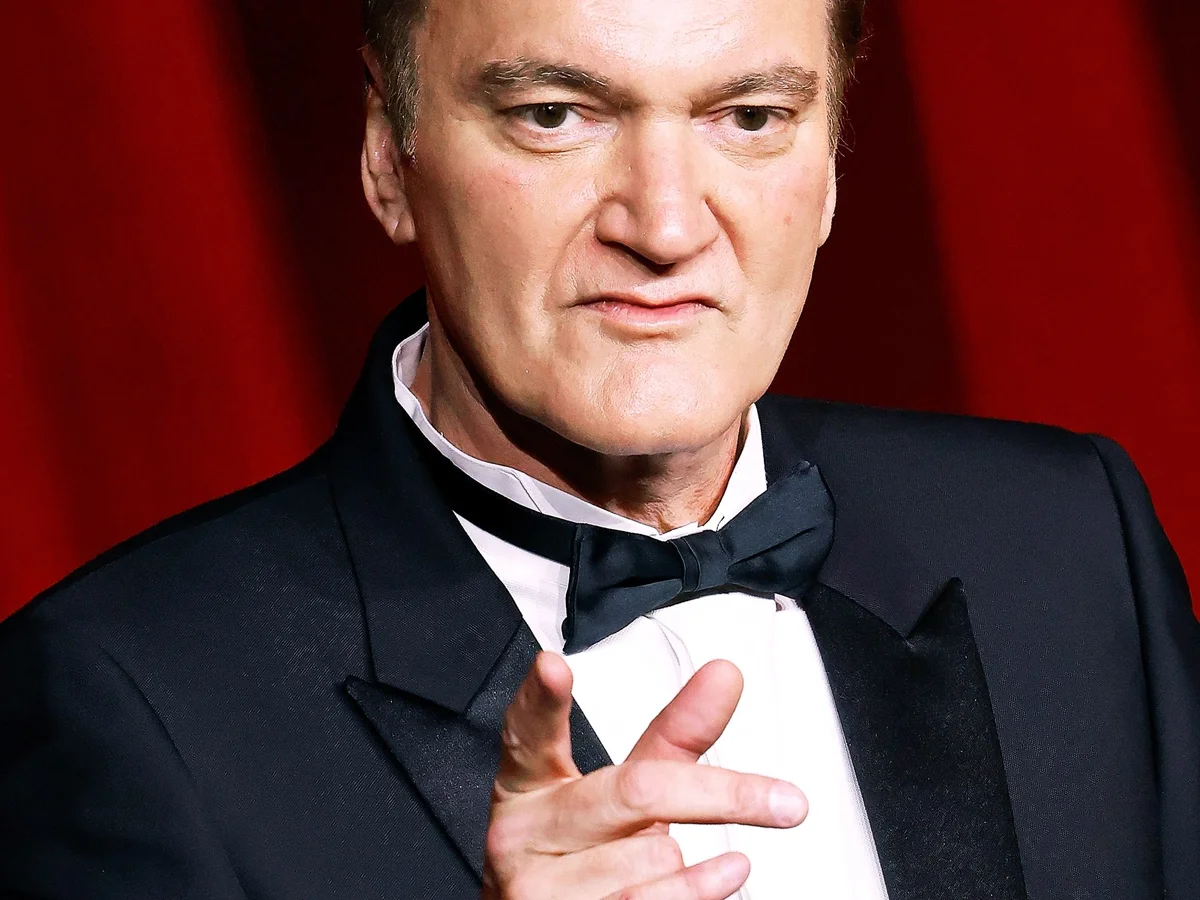
Tarantino, undeterred by the public backlash, voiced his enthusiasm for the film after attending a screening. He confronted director Roger Christian with a candid outlook:
You’re gonna be killed, all of you. But I just loved this film. Wait ten, twelve years, it’ll all come ’round… Forget it now. You’re gonna go through hell.
—Quentin Tarantino, Director
Despite Tarantino’s hope that “Battlefield Earth” would find later appreciation, critical opinion remains unchanged. His support stands as an example of how his lens differs from mainstream attitudes.
Joker: Folie à Deux—A Risky Musical That Divided Audiences
With “Joker: Folie à Deux,” director Todd Phillips delivered an unexpected musical follow-up, charting Arthur Fleck’s (Joaquin Phoenix) emotional descent while confined at Arkham State Hospital. Lady Gaga’s portrayal of Lee Quinzel added to the drama, but the surprising choice of genre and lack of anticipated chaos left fans and critics cold. Seven Razzie nominations further underscored its negative reception.
Yet, Tarantino saw something fascinating within the chaos, as he explained on Bret Easton Ellis’ podcast:
I’m just nihilistic enough to enjoy a movie that doesn’t quite work as a movie or that’s like a big, giant mess to some degree.
—Quentin Tarantino, Director
For Tarantino, the film’s willingness to fall apart artistically became the very reason for celebration.
Jason X: Sci-Fi Slasher Out of Time
The “Friday the 13th” franchise took an unorthodox turn with “Jason X,” moving its infamous masked killer, portrayed by Kane Hodder, into a distant future on a repopulated Earth II. Long after failed government attempts to stop him, Jason is accidentally thawed by students and a professor, launching a new wave of murders in space.
While critics dismissed the film for repeating old formulas and shoehorning in tech jargon, Tarantino found merit in its inventive death scenes. He notably included “Jason X” on his list of the best cinematic death sequences, admiring a particular moment:
solidifies a woman’s face by forcing it into liquid nitrogen, then slams it against a counter so it shatters like glass.
—Quentin Tarantino, Director
Tarantino’s appreciation for creative violence shines through, elevating a film that others quickly forgot.
The Lone Ranger: Western Adventure Against the Odds
“The Lone Ranger” recast Armie Hammer as John Reid, a lawyer transformed into a masked vigilante, with Johnny Depp portraying Tonto. The film dazzled with visual spectacle, earning Oscar nominations for Visual Effects and Makeup, but failed to find an audience and was criticized for lengthy, over-the-top action and a sluggish pace, registering a 31% rating on Rotten Tomatoes.
Tarantino questioned the backlash, particularly after witnessing the film’s energetic train scene:
When I saw the train scene, I kept thinking, ‘What, that’s the film that everybody says is crap? Seriously?
—Quentin Tarantino, Director
He called it one of his favorite movies of 2013, finding entertainment value where many saw excess.
Psycho (1998): A Shot-for-Shot Remake Worth Revisiting
Gus Van Sant’s 1998 remake of Alfred Hitchcock’s “Psycho” faithfully recreated the original, this time with Vince Vaughn as Norman Bates and Anne Heche as Marion Crane. However, critics lambasted the remake for its lack of originality, arguing it brought nothing new to Hitchcock’s chilling masterpiece. It fared poorly at the box office and won the Razzie for Worst Remake.
Unexpectedly, Tarantino not only defended the remake but even preferred it over Hitchcock’s version, a viewpoint echoed by director Steven Soderbergh. The argument, as Soderbergh framed it, was that criticism stemmed from the film being a near-identical copy; otherwise, it matched the original’s quality.
Green Lantern: DC’s Maligned Hero Finds an Unlikely Supporter
Starring Ryan Reynolds as Hal Jordan and Blake Lively in a supporting role, “Green Lantern” told the story of a reckless pilot enlisted into an intergalactic peacekeeping corps. The film’s reception was poor, with comic fans and critics unimpressed by the plot and visual effects, though it did earn minor accolades and a 25% audience rating on Rotten Tomatoes.
Tarantino was initially offered the chance to write for “Green Lantern,” but declined the job. Despite this, he later named it among his favorites of 2011, citing standout performances from Reynolds and Angela Bassett. His affinity contrasted with fans eagerly awaiting an upcoming television reboot by James Gunn and his team.
Switchblade Sisters: Female Gang Dynamics Ahead of Its Time
“Switchblade Sisters” follows teenager Mercy, played by Joanne Nail, as she’s drawn into a high school gang ruled by girls. Her story is one of upheaval and survival following a traumatic arrest and abduction by an abusive warden, prompting her transformation from outsider to gang member.
Tarantino, whose own films often feature strong female leads such as Jackie Brown and the heroines of “Kill Bill” and “Death Proof,” loved this gangster drama so deeply that he re-released it in the 1990s under his company Rolling Thunder Pictures. Despite the original flop and a famously harsh two-thumbs-down from Roger Ebert and Gene Siskel, Tarantino’s admiration helped give the cult film a second life.
Kick-Ass 2: Heroics and Mayhem That Missed the Mark
“Kick-Ass 2” returns to its vigilante world, following Dave Lizewski (Aaron Taylor-Johnson) and Mindy Macready (Chloë Grace Moretz) after their attempt to step away from fighting crime. When a new criminal group, led by The Motherf***er, arises, the peace is broken, plunging the heroes into chaos once again.
Although the film delivered on action and intense fight sequences, critics felt the crude humor fell flat. Audiences dismissed it as a disappointing sequel. Tarantino, bucking the consensus, counted it among his best of 2013, possibly drawn to the relentless violence and subversive tone that critics saw as excessive.
The Hangover Part II: Another Wild Night That Tarantino Endorsed
Moving the outrageous antics from Las Vegas to Thailand, “The Hangover Part II” centers on Stu’s (Ed Helms) ill-fated journey to marry his Thai fiancée. Bradley Cooper, Zach Galifianakis, and Ken Jeong add to the ensemble as yet another night of drunken disaster unfolds. Critics derided the sequel for repeating the formula of its predecessor without innovation, giving it a lackluster 34% Rotten Tomatoes score.
Despite universal panning, Tarantino included “The Hangover Part II” among his top favorites of 2011—though he never specified a reason for his fondness, leaving fans to speculate on his taste for farcical unpredictability.
Knight & Day: Spy Romp with Tom Cruise and Cameron Diaz
“Knight & Day” features Cameron Diaz as June Havens, whose world turns upside down after a flight encounter with Roy Miller—Tom Cruise’s rogue spy claiming to be framed. Paul Dano and Peter Sarsgaard round out a cast caught in a web of action and deception. The film offered high-paced chases and stunts, but reviewers panned its convoluted plot, claiming it failed to live up to its star power.
Unfazed by the criticism, Tarantino included the movie in his 2010 favorites, fueling speculation, especially among fans who would later hope to see him direct a pure spy thriller. His endorsement reflected enduring admiration for films often dismissed by most.
Through all these picks—spanning flop sci-fi, divisive superhero tales, and controversial remakes—Quentin Tarantino’s love of unexpected, even chaotic films remains unwavering. From “Battlefield Earth” and “Jason X” to “Green Lantern” and “The Lone Ranger,” his support highlights a recurring theme: even cinema’s most maligned works can find a devoted champion in the eyes of a true movie fan. While critics and audiences may not agree, Tarantino’s unconventional favorites invite moviegoers to look past reviews and find personal connections of their own. Whether he influences future reassessments or stands alone, Tarantino’s passion for
“bad movies loved by Quentin Tarantino”
remains as intense and unpredictable as his films.
