
The topic of Denzel Washington on preserving movie star mystique has gained prominence as Hollywood faces new challenges in keeping audiences interested in big names, with industry voices debating the impact of overexposure on star power. Recently, insights from established actors and the observable effects on box office trends have renewed calls for A-listers to carefully manage their public image to safeguard their allure and commercial success.
Michael B. Jordan and the Success of Maintaining a Selective Public Image
Michael B. Jordan’s impressive run in 2025, highlighted by his acclaimed roles in Sinners and a notable public moment with Tom Cruise at the Mission: Impossible—The Final Reckoning premiere, demonstrates the ongoing relevance of star charisma. The strong performance of Sinners underlined the lasting draw of movies centered on captivating leads, sending a message to studios that original stories anchored by charismatic actors can still achieve significant box office results in an era dominated by sequels and reboots.
Despite his success, Jordan is mindful of the risks associated with constant public exposure. In a discussion with Vulture, the Creed actor explained his deliberate avoidance of oversharing on social media or frequent appearances in the press, firmly believing that limiting access to his personal life helps generate appeal and demand for his projects. He attributes part of his approach to advice from Denzel Washington, who once asked him,
Why would they pay to see you on a weekend if they see you all week for free?
—Denzel Washington, Actor
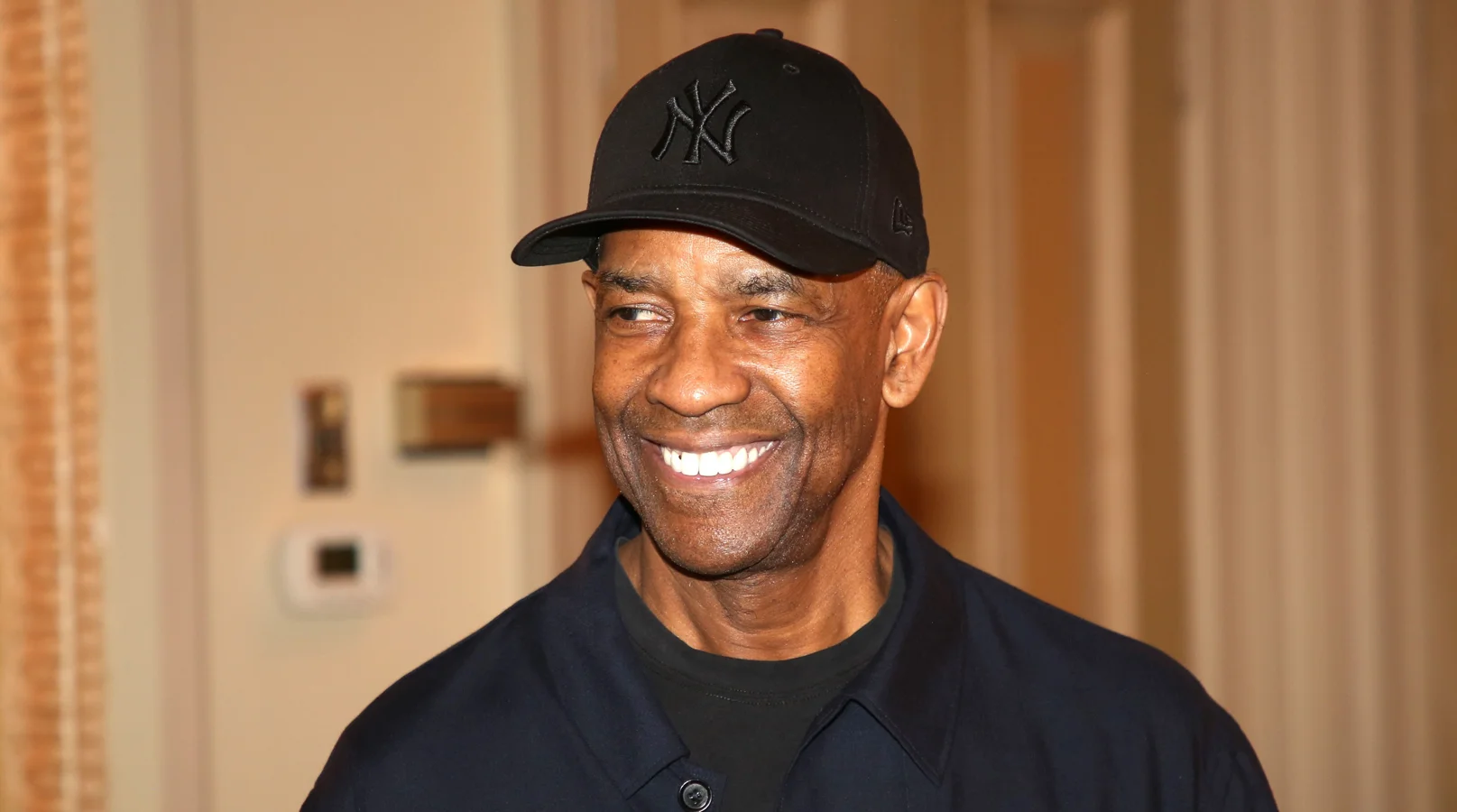
Washington’s question resonates with A-list actors today, especially as the entertainment industry contends with an environment where an abundance of celebrity access threatens the mystique once vital for drawing crowds to theaters.
The Impact of Ubiquitous Celebrity Access on Movie Stardom
Although society’s fascination with celebrities is at an all-time high due to constant online connectivity, this widespread access may unintentionally weaken the influence and significance that movie stars once held. Platforms like social media—fueled by around-the-clock entertainment updates—have fundamentally shifted how fans interact with their favorite stars. Where previous generations, such as kids in the 1990s who idolized Leonardo DiCaprio, would pay repeatedly to experience films like Titanic due to limited off-screen access, today’s fans have near-instant access to any star’s personal and professional life.
The nature of celebrity has evolved as young people now spend endless hours engaging with online content about their preferred actors, including streaming films or marathoning interview compilations curated by dedicated fan accounts. The ease of finding these materials lessens the urge to see stars on the big screen when so much of their presence is freely available online. The tradition of the movie star as a captivating, somewhat distant figure is increasingly threatened by this accessibility, making it difficult for actors to sustain their ability to lead box office successes on the strength of their persona alone.
As fans become more accustomed to the constant presence of their favorite celebrities through social feeds and streaming, the role of a movie star who can single-handedly draw crowds to cinemas becomes more precarious. Industry insiders increasingly question whether the qualities that defined iconic figures in past decades can survive in an age shaped by transparency and immediacy.
The Value of Reclaiming Mystery in a Hyper-Connected Era
Contemporary celebrity culture is built on values of transparency and accessibility, with internet personalities and influencers drawing large audiences by sharing their daily lives openly. Long-form interviews and podcasts featuring high-profile guests offer fans an inside look at both the work and private thoughts of artists, athletes, and actors. While this openness can humanize celebrities and broaden their appeal, it undermines the sense of allure and mystery essential to traditional movie stardom.
In this high-volume media environment, studios frequently adopt strong promotion strategies to capture audience attention. Yet, some industry voices argue there is strategic advantage in celebrities holding back—curating a presence that is carefully limited rather than omnipresent. This restraint helps ensure the public continues to view them as artists foremost, protecting the integrity of their on-screen performances and preserving a sense of curiosity around their next projects.
Moreover, when a public figure’s personal life overshadows their artistic work, the ability to suspend disbelief as they take on a new role is often compromised. Complete removal from the digital world may be impossible for any modern star, but choosing to participate minimally on social media and limiting invasive press engagement can help strike the crucial balance between accessibility and enigmatic appeal.
Examining Modern Examples: The History of Sound
Current film projects like The History of Sound illustrate how traditional elements of star power and narrative can thrive in today’s landscape. This film, set during World War I, follows two young men—played by Paul Mescal as Lionel and Josh O’Connor as David—as they set out to document the lives, voices, and music of Americans during that period. The story provides a unique perspective on an important era while leveraging the chemistry and charisma of its leads to foster a connection with audiences.
The film’s approach—centering on emotionally charged performances and historical intrigue—demonstrates how actors and studios can still captivate viewers, even as broader access to celebrities challenges the traditions of stardom.
The Future of Movie Stardom: Selective Exposure as a Strategy
As the film industry navigates a world where audiences have continuous, often intimate, digital access to celebrities, major stars may need to borrow strategies from respected figures like Denzel Washington to protect their impact. By intentionally limiting public exposure, actors can amplify intrigue, maintain credibility in their craft, and drive anticipation for upcoming projects. The ability to preserve mystique could prove vital for the next generation of Hollywood A-listers seeking both commercial success and lasting legacy.
