
Guillermo del Toro’s Frankenstein adaptation details and cast have captured attention as the acclaimed director finally delivers his interpretation of Mary Shelley’s iconic story, making waves across both fandom and literary circles. The film, expected to debut in November with a limited cinema run and Netflix streaming, has been positioned as a powerful, emotional exploration of the monster and his creator, woven with Gothic intensity and an ensemble of celebrated actors.
Guillermo del Toro’s Unique Vision for Frankenstein
Del Toro, a three-time Oscar winner best known for films such as Pan’s Labyrinth and The Shape of Water, is recognized for his passionate connection to monsters and classic horror. After years of voicing his admiration for Mary Shelley’s Frankenstein and embedding its themes in his earlier movies, del Toro now brings his long-anticipated project to life. His adaptation is not just a retelling but a Gothic tragedy centered on identity, obsession, and the pain of rejection.
Ever since the project’s official unveiling, anticipation has run high, both among fans of del Toro and lovers of classic literature. The film is regarded as one of the year’s most ambitious bets in horror, with every scrap of news drawing widespread attention. Rather than following familiar paths, del Toro insists on honoring the spirit of Shelley’s novel, diving further into its psychological core than previous screen versions.
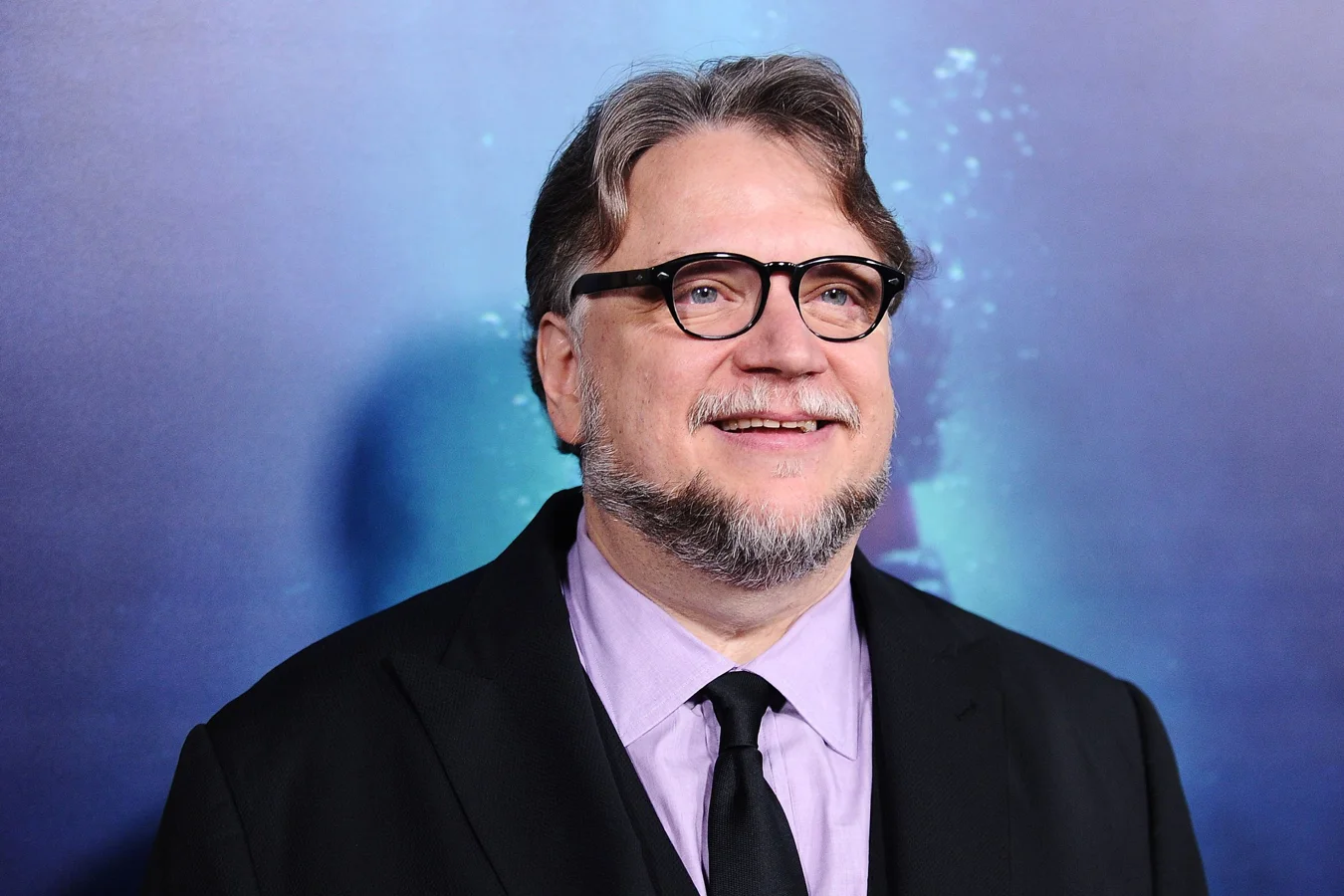
Speaking publicly about his journey, del Toro shared,
“This is, for me, the culmination of a journey that has occupied most of my life. I first read Mary Shelley’s Frankenstein as a kid and saw Boris Karloff in what became for me an almost religious state. Monsters have become my personal belief system,”
—Guillermo del Toro, Director. He continued,
“There are strands of Frankenstein throughout my films … Exploring the relationship between humanity and monsters, creator and creation, father and son, has consumed my stories again and again. I wanted to make this film before even I had a camera and I have been actively pursuing it now for 25 years. It has grown so close to me that now it’s biography,”
—Guillermo del Toro, Director.
A Distinct Approach: Emotional Depth and Literary Fidelity
Guillermo del Toro has clarified that his Frankenstein will avoid conventional horror tropes like jump scares or gratuitous violence. Instead, he describes the project as a “Miltonian tragedy,” referencing the philosophical gravity of John Milton’s Paradise Lost. The film’s emotional focus will fall on both Dr. Victor Frankenstein and the Creature, drawing heavily on themes from Mary Shelley’s text rather than just its surface horror.
Del Toro’s commitment to authenticity extends beyond character arcs and emotions to the visual experience. The movie, filmed amid the stark landscapes of Scotland, is visually steeped in shadow, cold tones, and Gothic grandeur, drawing visual cues from 19th-century book illustrations. Dan Laustsen, an acclaimed director of photography, shapes the film’s immersive look, while Alexandre Desplat’s score promises to add further depth to the atmosphere.
Faithfulness to the original narrative remains front and center. Unlike many adaptations, this version intends to keep the book’s intricate structure intact, with significant settings such as the Arctic preserved to maintain the story’s core drama. The monster’s portrayal is expected to be more empathetic and complex, focusing on the agony of awareness and the relentless pursuit of acceptance—an interpretation closely aligned with del Toro’s lifelong fascination with misunderstood beings. As the story unfolds, the monster is not positioned as a villain but rather as a mirror reflecting humanity’s fears and contradictions.
What Sets This Adaptation Apart
This Frankenstein pledges intimacy, placing emotional truths above shock value. The narrative intends to explore the inner lives of both Victor Frankenstein and the Creature, engaging with questions of paternal ties, rejection, and existential anguish. Del Toro’s perspective holds that monsters are vessels for human complexity, and his newest work is set to stretch this philosophy further than ever before.
The trailer’s release at Netflix’s Tudum event offered the first glimpse of this careful world-building, yet the Creature’s full appearance was deliberately left out of promotional material. This approach, reminiscent of Robert Eggers’ strategy for Nosferatu, builds tension for viewers, promising that the monster’s reveal will be a crucial, unforgettable moment rather than a fleeting shock.
An All-Star Ensemble Cast
The cast assembled for del Toro’s Frankenstein brings together recognized figures from film and television, resulting in a lineup that raises the expectations even higher. Leading the project is Oscar Isaac (Dune), who assumes the role of Dr. Victor Frankenstein. Jacob Elordi (Saltburn) embodies the enigmatic Creature, while Mia Goth (MaXXXine) takes on the vital role of Elizabeth Lavenza.
Cast members include:
1. Oscar Isaac as Dr. Victor Frankenstein
2. Jacob Elordi as The Creature
3. Mia Goth as Elizabeth Lavenza
4. Felix Kammerer (All Quiet on the Western Front) as Williams
5. Lars Mikkelsen (The Witcher) as Captain Anderson
6. David Bradley (Harry Potter) as Blind Man
7. Christoph Waltz (Inglourious Basterds) as Harlander
8. Christian Convery (Sweet Tooth) as Young Victor Frankenstein
9. Ralph Ineson (The Witch) as Professor Kempe
Also joining the production are Burn Gorman (Pacific Rim), Joachim Fjelstrup (A Copenhagen Love Story), and Charles Dance (Game of Thrones). This expansive cast of characters supports del Toro’s ambition to faithfully represent the complexity of Mary Shelley’s text.
The film’s ensemble members have expressed their awe for the project and gratitude for the opportunity to work under del Toro’s direction. Oscar Isaac reflected,
“the experience of a lifetime. The passion, the love, and dedication we’ve all put into this movie is reflected in every frame.”
—Oscar Isaac, Actor. Mia Goth has spoken about her eagerness to join as soon as she learned about the project, and Jacob Elordi has offered praise for del Toro’s creative vision and commitment to detail.
Anticipation Builds Toward Release
One aspect gaining particular attention is the strategy to keep the Creature’s design hidden until the film’s premiere. Like the approach taken by Robert Eggers and Bill Skarsgård in Nosferatu, this calculated secrecy is designed to maximize suspense and audience impact when the Creature finally emerges onscreen. For viewers and critics alike, this careful handling underlines del Toro’s disciplined storytelling and understanding of classic horror’s dramatic possibilities.
Del Toro’s Frankenstein is scheduled to premiere on Netflix in November, accompanied by a limited theatrical rollout. The film is anticipated not only as a milestone for fans of horror and Gothic cinema, but also for readers and scholars passionate about Shelley’s original work. With its emotionally charged performances, lush visuals, and close fidelity to its literary roots, Guillermo del Toro’s Frankenstein adaptation details and cast have set the stage for a cinematic event that could redefine the monster movie genre and deepen our understanding of humanity through the eyes of the outcast.
The world of film and literature now awaits what may become one of Guillermo del Toro’s most personal and transformative works—one where longstanding ideas about monsters, creators, and identity are examined in new, profoundly moving ways.
