
Steve Carell’s unique approach to playing Michael Scott on The Office set the American sitcom apart, as Carell avoided watching the UK original to prevent mimicking Ricky Gervais, ultimately creating a distinct and unforgettable character. His calculated decision, made during his audition process, transformed Michael Scott into an iconic boss for viewers in Scranton and beyond.
How Steve Carell Chose a Different Path for Michael Scott
While the American adaptation of The Office drew direct inspiration from the British series featuring Ricky Gervais as David Brent, the two lead characters evolved into remarkably different figures. Steve Carell, who played Michael Scott, deliberately refused to immerse himself in the UK original before taking on the role. Instead, Carell wanted to ensure his portrayal diverged from Gervais’s version—avoiding any risk of mere imitation.
Carell’s strategy avoided simply copying what made David Brent unique. Where Gervais played David as awkward and arrogant, Carell set out to add shades of cluelessness mixed with an unexpected warmth—a boss who frustrates, yet endears. This foresight was crucial in shaping the American Office and its appeal to US audiences.
Carell’s Decision to Steer Clear of The Office UK
When preparing for his audition, Steve Carell decided not to follow the expected route. He watched only a small segment of The Office UK—about five minutes—enough to get a sense of its tone but not enough to let it influence his acting style.
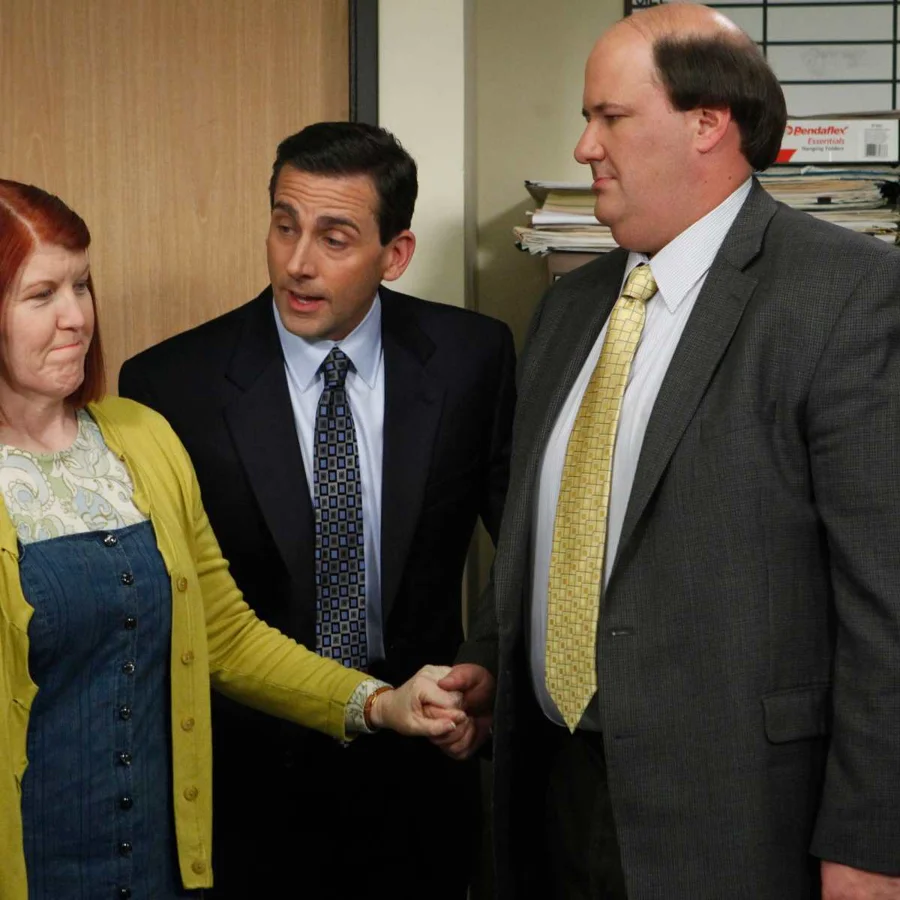
“You know, before I auditioned for The Office, I watched about five minutes of the British version just to get a sense of tone but when I saw what Ricky was doing and how specific and great his character was…”
—Steve Carell
Carell was fully aware of the risks of venturing further and quickly recognized the strength of Gervais’s performance. He believed more exposure would unconsciously pull him toward mimicry.
“People love him, people think he’s hilarious. I knew that if I watched any more I would just be prone to doing an impersonation, I would just try to steal more and I thought that wouldn’t serve me in an audition.”
—Steve Carell
This guiding principle informed his entire characterization of Michael Scott. Carell sought to avoid turning his performance into an American echo of David Brent, instead opting to bring something uniquely his own. This dedication laid the groundwork for Michael Scott’s identity as more than just a source of awkward humor but as a surprisingly lovable figure—even in his less impressive moments.
Defining a New Kind of Office Boss
Steve Carell recognized that for the American Office to thrive, it couldn’t just clone the British formula. He realized that audiences in the United States wanted more than a cringeworthy boss; they needed a character with heart—and even some competence beneath the showy bumbling. This understanding influenced everything about his performance, from his comic delivery to moments of surprising sincerity.
Michael Scott’s exploits, like the infamous George Foreman grill incident, became classic sitcom material. Yet what made Michael different was his ability to spark real emotion—his departure from Scranton, for example, left fans genuinely moved. Steve Carell’s unique approach to playing Michael Scott on The Office ensured the character transcended stereotype, instead emerging as one of the genre’s most beloved personalities.
Ricky Gervais’s Advice That Shaped Michael Scott
After successfully landing the part—prevailing over strong contenders like Seth Rogen and Bob Odenkirk—Steve Carell didn’t simply forge ahead unaided. Ricky Gervais, despite having been intentionally avoided during Carell’s preparation, offered a critical insight after the casting decision was made.
Jenna Fischer, who portrayed Pam Beesly and discussed the show’s history on her Office Ladies podcast, recounted how Gervais presented Carell with a key nugget of advice. Gervais highlighted a central difference between UK and US audiences, suggesting that Michael Scott couldn’t be all flaws and no skill.
“He said, ‘In England, you can be really, really bad at your job for a long time, and you never get fired. In America, that’s gonna frustrate people. So my one piece of advice is that Michael can be a buffoon, he can be silly, he can be irritating, but you should show glimpses of him actually being a good salesperson.’”
—Ricky Gervais (as recalled by Jenna Fischer)
This suggestion resonated with the Office’s writers, as well as Carell himself. Michael’s most successful moments in sales, occasionally glimpsed amidst chaos and comedy, brought a relatability to the character that prevented him from becoming a cartoon. It allowed viewers to root for Michael, even if he embarrassed his employees or delivered cringeworthy PowerPoint presentations.
Turning Michael Scott into a Television Icon
Influenced by Gervais’s advice, the team behind The Office struck a careful balance: Michael could be foolish, but he also demonstrated real professional talent at times. This complexity deepened his relationships around Dunder Mifflin, complicating his status as a “disaster” while reinforcing his underlying value as both a boss and a human being.
From hosting chaotic Dundie Awards to dramatically declaring bankruptcy, Michael Scott regularly teetered between comedic disaster and genuine pathos. Yet through moments of care for his Scranton team, fierce loyalty, and real business acumen, he won over fans. Steve Carell’s unique approach to playing Michael Scott on The Office gave the show an emotional core, making every misstep—or victory—feel resonant and true.
The enduring impact of Steve Carell’s performance is clear. By refusing to imitate Ricky Gervais, and by integrating advice about authenticity and competence, Carell crafted a character that audiences both laughed at and loved. Today, The Office continues to stream on Peacock, with Michael Scott firmly established as one of television’s most iconic sitcom characters.
