
In a recent discussion, Taylor Sheridan reveals his first TV script before Yellowstone was actually the pilot for Mayor of Kingstown, surprising many fans who associate him primarily with the Dutton family saga. The acclaimed creator, known for his intense storytelling, shared that Mayor of Kingstown—a hit series starring Jeremy Renner on Paramount+—was penned before his more widely recognized work on Yellowstone.
Sheridan’s Unexpected First Script and Inspiration
Although Yellowstone has become a cultural touchstone in television drama, Sheridan clarified that his initial foray into TV writing began with a different series. Reflecting on that moment, he described how the idea for Mayor of Kingstown struck him with sudden inspiration, thanks to a collaborator who not only contributed creatively, but also plays a role and serves as executive producer on the show. He pushed himself to complete the script in a single stretch, resulting in the finished pilot by the following morning.
“The first thing I ever wrote was the pilot episode of Mayor of Kingstown,”
—Taylor Sheridan, Showrunner
Sheridan detailed his approach during a conversation with director Peter Berg. He recounted how his creative process drew from the advice and experiences of colleagues, yet was also informed by years enduring frustrating scripts as an actor. This background led him to avoid typical exposition and uninspired dialogue in his own writing: he sought to inject authenticity and realism, focusing on dialogue that felt natural rather than forced.
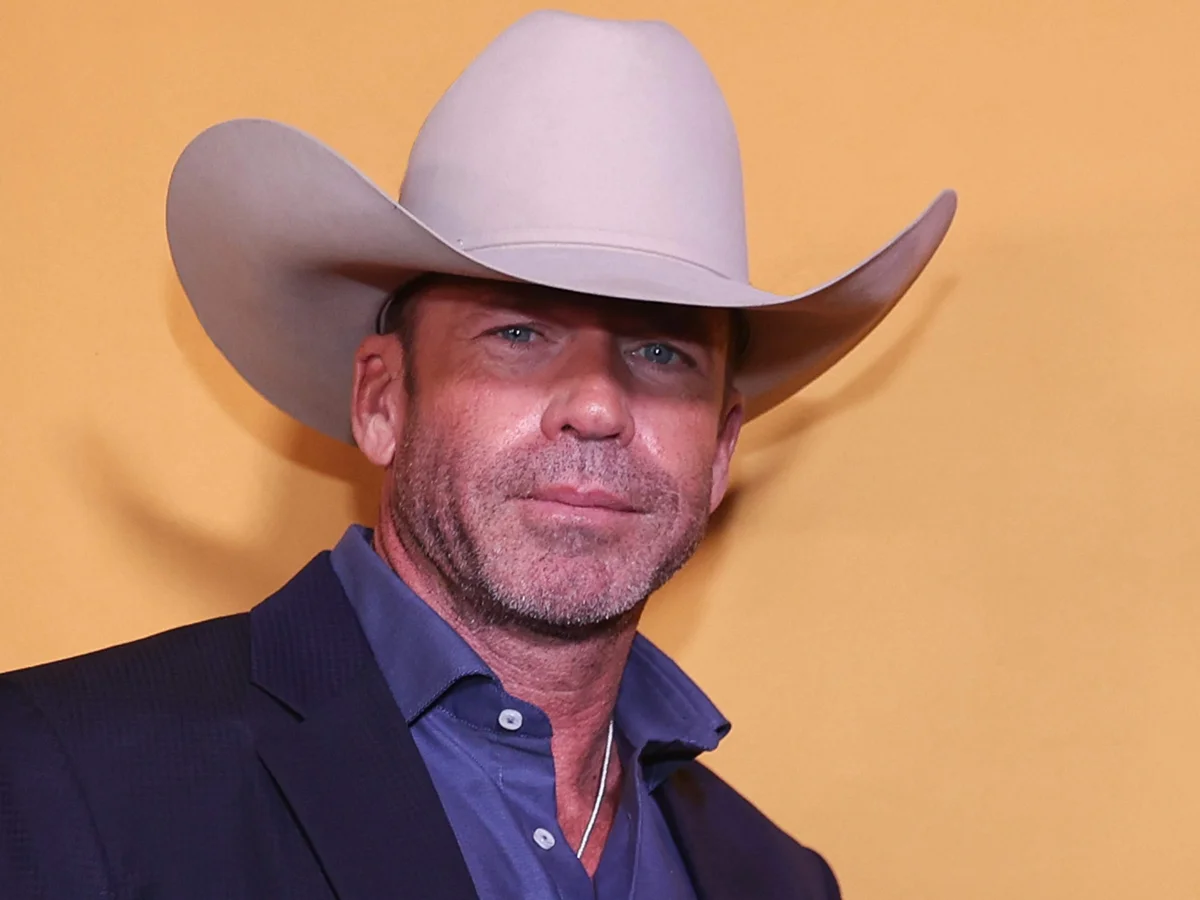
“The idea came to me from a friend of mine who’s on the show and executive producer of the show, and a lightning bolt clicked in my head. I told myself, I have no idea how to do this, but I have a 20-year education on how not to do it. From all the shit I’ve read, the shit I’ve had to speak that is lazy writing exposition in the dialogue, telling me backstory in third person…”
—Taylor Sheridan, Showrunner
As Sheridan explained, his philosophy for screenwriting is all about visual storytelling and an unwavering commitment to honesty. He doesn’t shy away from breaking convention, as long as it serves a purposeful creative vision. Dialogue remains his strength, a skill sharpened by decades spent acting and grappling with underwhelming scripts.
“I think my gift is dialogue above everything else,”
—Taylor Sheridan, Showrunner
“And I think that comes from 20 years of acting and trying to make shitty dialogue sound good.”
—Taylor Sheridan, Showrunner
The Relentless Drive Behind Sheridan’s Writing
Peter Berg, known for directing American Primeval, dug deeper into Sheridan’s process, asking how he manages such a demanding workload. Sheridan responded with candor, tracing his relentless productivity back to frustration and necessity. After the success of Wind River, Yellowstone was suddenly fast-tracked, and the network suggested assembling a writers’ room for future episodes. Sheridan, however, was dissatisfied with the submissions he received and the time constraints involved, which pushed him to write entire seasons himself on short notice.
“Originally it came from just what you said, a sense of 20 years I’ve been held back. What ultimately happened after Wind River, Yellowstone got bought out of turnaround, and they wanted to go into production in four months, and they were trying to introduce me to [writers’] rooms. I’m reading samples, and I just think everyone’s a terrible writer. I found myself in a situation where I was writing scripts on the weekend to shoot the next week. We tried to put a room together, and there was no time to put a room together. So then I wrote all of Season 2. They did try to hire a room for Season 3, and the scripts were so bad that they called me back while I was directing this movie in New Mexico with Angie [Jolie], and they said, ‘You’ve got to help us out. The actors won’t go to work. They’re mutinying.’ And so I wrote an episode of Yellowstone every Saturday.”
—Taylor Sheridan, Showrunner
This cycle of urgent deadlines and solo scripting forged the intense, conflicted tone that now distinguishes his shows. Sheridan’s ability to create vivid, real characters comes in part from the pressure-cooker environment he’s operated in—writing scripts each weekend that would go straight into production, with little room for error or revision. This commitment set him apart as one of television’s most hard-working showrunners.
Rooted in Experience and Honest Self-Reflection
Sheridan has been open about his unconventional path. From nearly failing high school to becoming a sought-after creator in Hollywood, his journey is defined by resilience and relentless self-improvement. He credits his success to a combination of repeated setbacks, frustration with formulaic writing, and a particularly tenacious streak shaped by his Texan upbringing. Despite his talents, Sheridan remains humble about his appeal and creative instincts.
“I just don’t think I’m that unique. If something’s interesting to me, it’s probably going to be interesting to a lot of other people. I’m just not that f—king special.”
—Taylor Sheridan, Showrunner
His shows, from Yellowstone starring an ensemble cast including Jeremy Renner and others, to Mayor of Kingstown, have resonated with viewers by prioritizing sincerity, tension, and compelling dialogue. The authenticity of Sheridan’s scripts, often written in the face of intense deadlines, directly contributes to their impact and popularity.
Impact on Television Drama and What Comes Next
Sheridan’s account challenges conventional wisdom about how successful TV is made, highlighting personal drive over traditional writers’ rooms, and lending insight into the grit behind prestige dramas like Yellowstone. His work ethic and distinct voice set a new standard for narrative and dialogue on screen. The continued popularity of Sheridan’s shows on streaming platforms like Peacock and Paramount+ suggests that honest, character-driven storytelling continues to find eager audiences.
As Taylor Sheridan reveals his first TV script before Yellowstone and shares the relentless process that shaped his career, viewers and industry professionals alike are reminded that passion, authenticity, and a willingness to break established rules can yield some of the most memorable work in television’s current era.
