
Comparisons between Zack Snyder and Taylor Sheridan have recently shone a spotlight on the challenges Sheridan has faced managing his cinematic universe, especially after Yellowstone’s dramatic developments. The discussion unfolded after viewers voiced frustrations over creative missteps in both creators’ larger franchises, underscoring the focus keyword: Zack Snyder comparison with Taylor Sheridan’s cinematic universe challenges.
Creative Leaders Under Scrutiny After Yellowstone’s Tumultuous Turn
Taylor Sheridan, best known for his work on Yellowstone and Wind River, has often operated with autonomy, crafting stories rich in modern Western drama. Despite earning accolades and high viewership for Yellowstone, controversy has dogged the show following Sheridan’s disputed creative decisions, particularly the abrupt departure of lead actor Kevin Costner, who portrayed John Dutton for five seasons. As a result of internal disagreements, Costner exited the series, prompting Sheridan to remove John Dutton from the narrative off-screen—a decision that drew fierce criticism from both fans and critics, as many felt this did not provide adequate closure for a central character they had followed for years.
Yellowstone’s prequel, 1923, also faced scrutiny. Audiences and critics alike have pointed out its excessively dark tone and heavy atmosphere, with some expressing fatigue over what they perceive as relentless bleakness. The reaction on social platforms illustrated a wider frustration with Sheridan’s approach to world-building and storytelling in these interconnected projects.
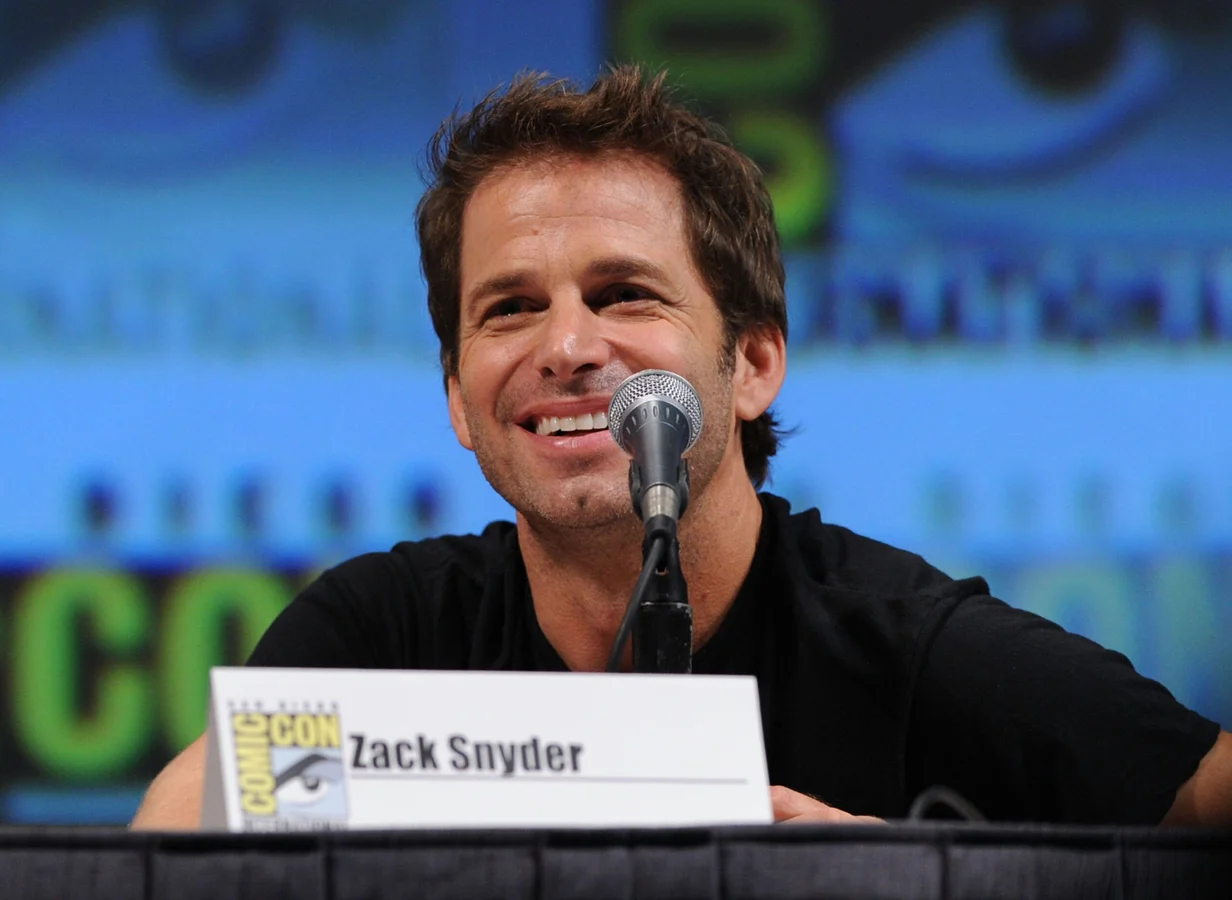
Fans Draw Parallels Between Sheridan and Snyder’s Franchise Hurdles
As discontent grew, online discussions, especially on Reddit, began drawing explicit parallels between Taylor Sheridan’s handling of the Yellowstone franchise and Zack Snyder’s tenure with the DCEU. Sheridan, praised for original works such as Wind River, Sicario, Hell or High Water, and Tulsa King, has consistently impressed as a standalone storyteller. However, his attempts to expand a larger shared universe have proven contentious. The ongoing criticism echoes that directed at Snyder, whose initial success with films like 300, Watchmen, and Army of the Dead eventually gave way to disappointment within the DCEU. Projects like Man of Steel and Batman v Superman: Dawn of Justice struggled with unfavorable reviews and divisive audience reactions, leading many to characterize Snyder’s stewardship of DC’s interconnected universe as one of the franchise’s lowest points.
Online commentators pointed out that both creators excel when given individual projects outside of massive fictional universes, but tension mounts when they attempt to maintain larger narrative worlds. The debate extended to critiques over each director’s thematic choices and storytelling decisions, with some calling their universe-building efforts illogical or lacking cohesion.
Persistent Industry Presence Despite Mixed Receptions
Despite public and critical backlash, both Taylor Sheridan and Zack Snyder maintain influential positions in Hollywood. Sheridan continues to develop new projects even as Yellowstone and its related series draw skepticism from parts of the audience. Likewise, Zack Snyder has remained an active filmmaker with various works in development, undeterred by the fraught legacy of his comic book adaptations.
For all the controversy, Yellowstone remains a pop culture force. As of now, the series boasts an 8.6 out of 10 rating on IMDb and an 83% approval rate on Rotten Tomatoes—a testament to its broad appeal, even amid ongoing debates over its creative direction. The show’s availability on Peacock in the United States further cements its place in the streaming landscape.
The Lasting Impact of High-Profile Missteps
The comparisons between Taylor Sheridan and Zack Snyder highlight the difficulties even acclaimed creators face when overseeing expansive universes. Both have encountered challenges turning individual successes into cohesive, multi-project franchises. While their standalone endeavors continually collect praise—Sheridan for gritty modern Westerns, Snyder for stylized action epics—each has struggled under the weight of managing characters, storylines, and fan expectations across multiple interconnected stories.
As viewers, critics, and industry insiders keep a close watch, the experiences of Sheridan and Snyder may serve as cautionary tales for other writers and directors seeking to build sprawling fictional worlds. How each creator adapts to audience feedback and industry pressures will likely help shape the future of franchise storytelling in Hollywood.
