
Before Jackie Chan became widely recognized in the United States, the creation of the Jackie Chan Adventures animated series marked a pivotal moment in his international career. The show‘s remarkable reception defied expectations and showcased the potential for success, even as American audiences were just beginning to discover Chan’s signature style, making the Jackie Chan Adventures animated series success in America a unique phenomenon.
The Unexpected Origins of an Animated Cult Favorite
Jackie Chan was still making his mark in Hollywood when Sony took a significant leap of faith by developing an animated series featuring him as the lead character. Although Chan had made an impressive debut among Western viewers with the energetic film Rumble in the Bronx and solidified his reputation with the popular Rush Hour franchise, he was far from a household name when Sony began plotting Jackie Chan Adventures. The idea came at a time when the company’s executives recognized a gap and an opportunity: adults knew of Chan, but younger viewers, especially children, had limited exposure to his work.
Andy Kaplan, then a vice president at Sony Television, recognized Chan’s widening appeal after his Rush Hour performance and believed there was room for a new adventure series. She communicated her vision to the media, stating,
Jackie’s audience is far and wide. So I thought if we could create a fun show that highlighted Jackie’s multi-layered talents, maybe we’d have something special.
—Andy Kaplan, Vice President, Sony Television.
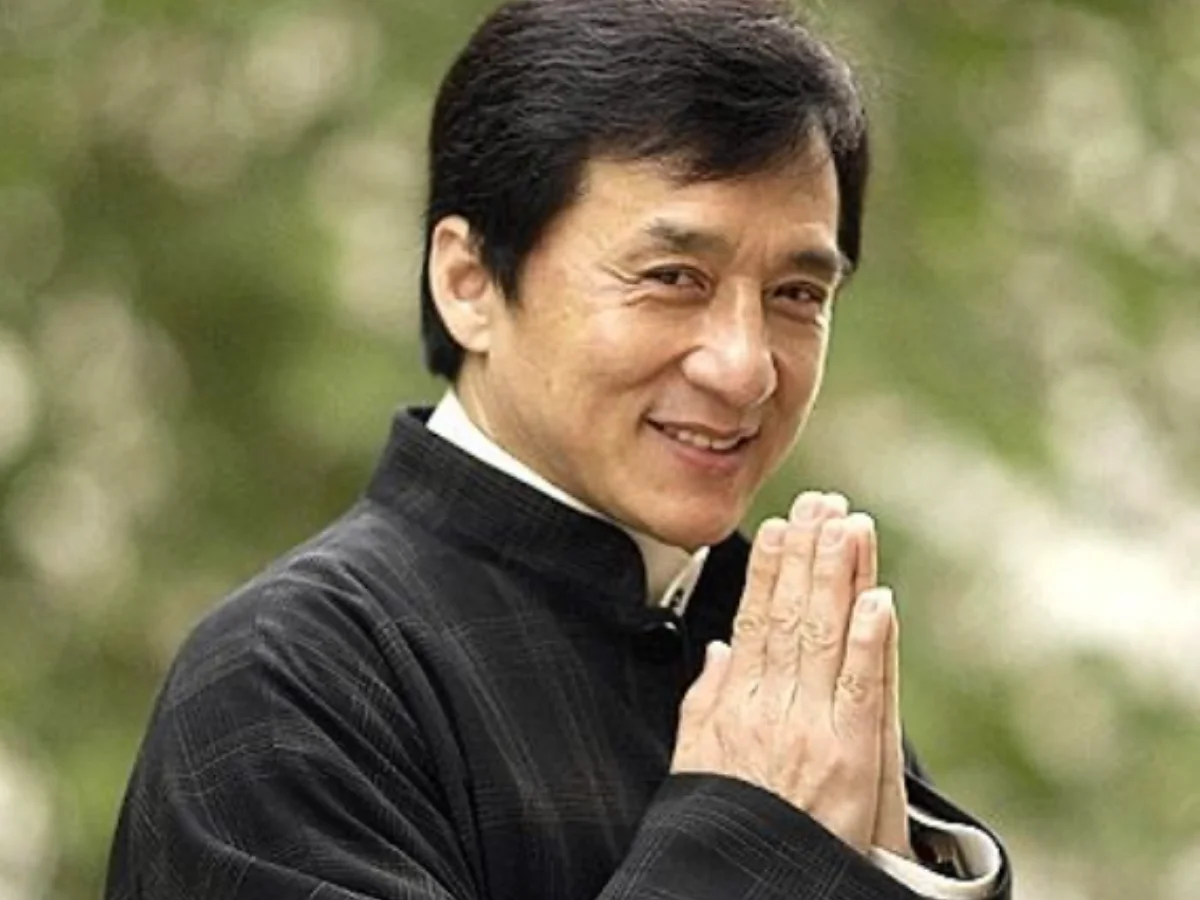
Despite enthusiasm, there were hesitations, especially from Sony’s family entertainment head, Sander Schwartz, who was unsure if Chan had captured enough interest from younger demographics. Adding to the risk, most of Chan’s fame at the time came from a film with Chris Tucker, whose audience skewed older. Nevertheless, Sony went forward, recruiting John Rogers, a fan of Hong Kong action films, to develop the concept and tone of the series, drawing inspiration from Chan’s 1986 movie Armour of God. Describing the creative process, Rogers shared,
He goes on adventures, chasing artifacts; all we had to do was figure out a way to make it kid-friendly.
—John Rogers, Screenwriter.
When Sony approved the pitch, Jeff Kline and Duane Capizzi joined as writer-producers, with Capizzi bringing a distinctive twist influenced by the supernatural storytelling of A Chinese Ghost Story, blending mystical Hong Kong cinema with Chan’s charismatic action-comedy.
From Development to Primetime Favorite
Sony presented the new concept to Kids’ WB, the prominent network for children’s content at the time, which was experiencing massive success largely due to shows like Pokémon. Former president Donna Friedman Meir recounted the positive reception from the network’s perspective, noting the value that the new series brought:
That basically, I had been handed the equivalent of Friends at 8 o’clock on Thursday night.
—Donna Friedman Meir, Former President, Kids’ WB.
Jackie Chan Adventures premiered to strong interest, eventually running for five seasons and totaling 93 episodes, a substantial achievement for any animated series. The storylines, which followed a fictionalized, Indiana Jones-inspired version of Jackie Chan, featured adventures with his Uncle and niece Jade as they worked for Section 13, an elite fictional organization. The show’s global success was evident; it aired in over 60 countries and captivated both young viewers and their families with imaginative plots, martial arts action, and cultural references.
Adding to the unique format, each episode ended with a Q&A section where Jackie Chan and the show‘s creators directly addressed questions from children, reinforcing a sense of personal engagement and offering fans behind-the-scenes insights, which strengthened the connection between the actor and his audience.
Jackie Chan’s Real-Life Daring Inspired His Animated Persona
The authenticity and high stakes that made Jackie Chan a star in film carried over to his animated counterpart. Known for executing daring stunts, Chan suffered numerous injuries throughout his career, including a life-threatening fall during the filming of Armour of God in 1986. In this incident, a jump from a cliff to a tree went awry on a second take, sending Chan crashing nearly 40 feet to the ground and resulting in a fractured skull. The aftermath required urgent surgery, and he sustained permanent injuries, including hearing loss in his right ear.
Other films also contributed to Chan’s legend: in the 1983 movie Project A, a dangerous clock tower fall led to significant neck injuries, leaving him unable to speak clearly for almost two years. Such mishaps continued in other movies, like Dragon Lord, where a chin injury impaired his speech, and Rumble in the Bronx, which saw him breaking his ankle during a risky hovercraft stunt. Despite the toll, these displays of commitment and resilience played a vital role in Chan’s enduring popularity.
The legacy of these real-world sacrifices enhanced the credibility of Jackie Chan Adventures, as viewers recognized the authenticity brought to his animated persona through the inclusion of martial arts sequences, inventive problem-solving, and playful humor reminiscent of Chan’s live-action roles.
The Enduring Impact and Continued Accessibility
Jackie Chan Adventures stands as a testament to creative risk-taking and cross-cultural collaboration, having paved the way for more diverse representations in children’s entertainment. Its success illustrated the willingness of networks like Kids’ WB and companies such as Sony to introduce new icons to Western audiences before their global careers fully blossomed. The animated series continues to be celebrated as a memorable part of early 2000s animation, influencing both pop culture and perceptions of Asian-led action storytelling.
Fans who wish to revisit the series or discover it for the first time can now purchase Jackie Chan Adventures on AppleTV, ensuring that the show‘s unique blend of action, humor, and cultural homage remains accessible to new generations.
