
Kevin Costner‘s idea for Yellowstone ending has stirred controversy among devoted fans and industry insiders alike, as it offered a sharply different conclusion to the acclaimed neo-Western TV series, ultimately rejected by creator Taylor Sheridan. The decision to forgo Costner’s vision and end the story without its iconic lead has continued to fuel debate as Yellowstone concluded its final season in 2024, with new twists marking the end of an era for the Dutton family.
The Fallout Between Kevin Costner and Taylor Sheridan
Kevin Costner, long celebrated for his roles in the Western genre, became a household name for a new generation when he took on the part of John Dutton in Yellowstone, the flagship series created by Taylor Sheridan. Despite being the central figure for much of the show‘s run, a rift between Costner and Sheridan developed over production schedules and creative direction, prompting Costner’s abrupt departure before the fifth season‘s second part.
While Costner was grappling with significant financial hurdles tied to his ambitious Western film project Horizon, Yellowstone proceeded without its lead character. The abrupt loss of John Dutton left a noticeable gap for fans who had invested in his role as family patriarch and ranch owner, highlighting just how pivotal Costner had become to the show‘s identity.
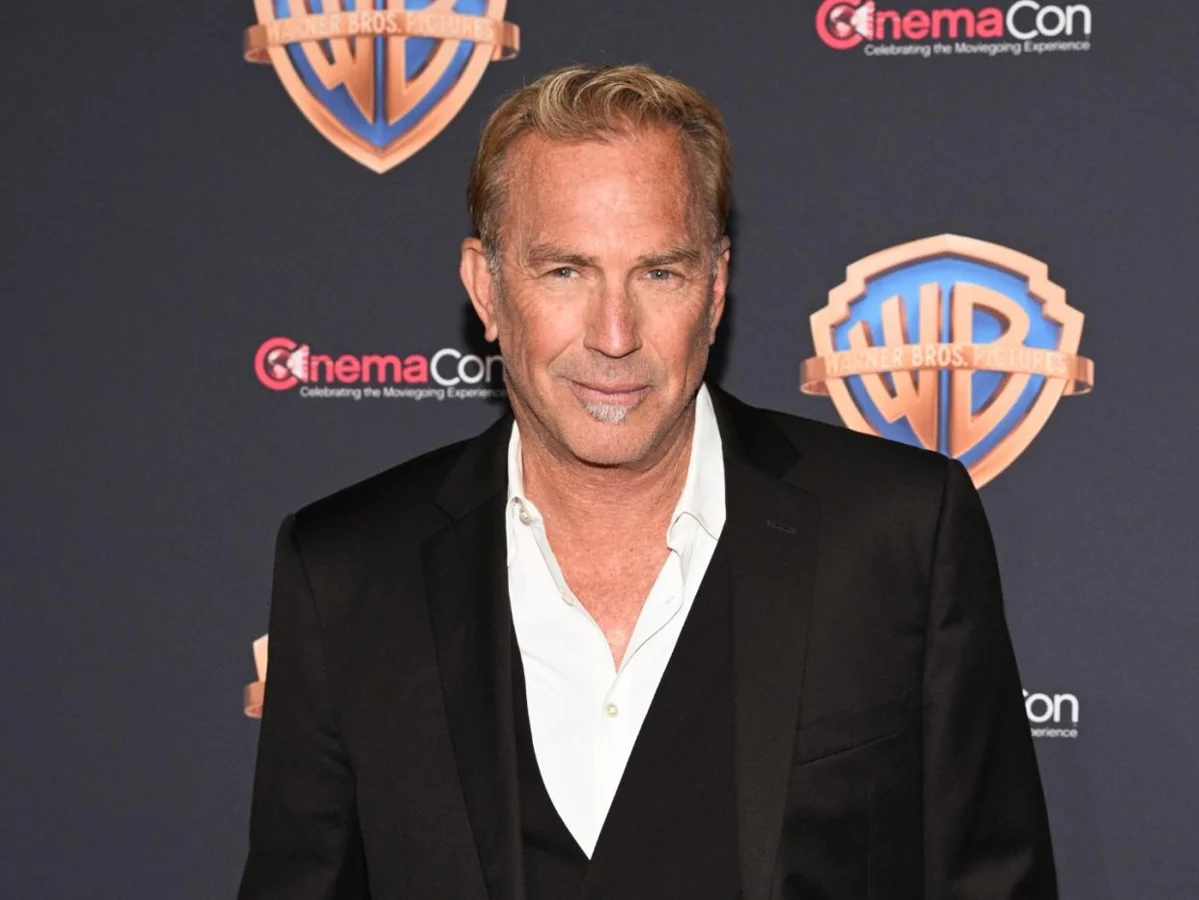
The Ending Kevin Costner Wanted for the Duttons
Costner, whose history with Westerns includes award-winning films like Dances with Wolves and mainstream hits like Wyatt Earp and Open Range, believed the ending for Yellowstone should have reflected the drama’s underlying morality. Throughout four and a half seasons, his portrayal of John Dutton emphasized the ongoing battle between wealthy landowners, local lawyers, and the Reservation situated on contested land—an ongoing clash filled with ethical gray areas.
Rather than the relatively neat resolution given in the series, Costner envisioned a starker finale where the Dutton family would be held accountable for their numerous questionable actions, drawing the soap opera‘s underlying realism into sharp relief. He made his perspective clear in his own words:
It’s modern-day ranching. Yellowstone was able to capture that so beautifully. I mean, it’s a bit of a soap opera. We should all be in prison.
—Kevin Costner, actor-director
This suggested ending would have dramatically shifted the Dutton family’s fate, having them face real consequences, and potentially landing key characters in prison for their misdeeds. Costner’s approach highlighted the series’ ongoing tension between personal loyalty and the rule of law, a dynamic that defined many of Yellowstone’s most harrowing plotlines.
Ultimately, however, Taylor Sheridan did not accept Costner’s version. The show maintained its soap opera feel, opting to conclude the ranch saga with the family surviving mostly intact—apart from John Dutton and Jamie, played by Wes Bentley, who did not survive the finale. For fans, the result was both controversial and unsatisfying, sparking debate about what could have been had Costner’s vision come to life.
Sheridan’s Reason For Rejecting Costner’s Proposal
Behind the scenes, the power struggle between Costner and Sheridan became as captivating as the fictional drama playing out on screen. After unresolved production disputes and scheduling clashes, Sheridan responded by writing John Dutton out in dramatic fashion in season 5B. Costner shifted his focus to directing and producing his own project, while Sheridan crafted an exit for Dutton that shocked audiences.
John Dutton’s death was depicted as a staged suicide, later unmasked as a cold-blooded murder disguised to look self-inflicted. This turn, seen by many as abrupt and lacking the gravitas befitting the show’s hero, was Sheridan’s deliberate narrative choice. He outlined his thinking:
There is something terrifying about people breaking into your home and putting you in a chokehold, and then murdering you and framing it as suicide. There’s no way that could resonate unless you saw it…to have created this character who is so bold and brave and noble and strong, that the violation of that person being taken off guard when they thought they were safe and experiencing this horrible death, it’s supposed to be infuriating.
—Taylor Sheridan, creator
Sheridan’s vision sought to provoke a visceral response from the audience, leaving viewers unsettled by the suddenness and injustice of John Dutton’s end. By doing so, he denied the character—and, by extension, Costner—the expected triumphant sendoff often granted to television icons, choosing instead a finale rooted in chaos and emotional turmoil.
The Enduring Legacy and Future of Yellowstone
While the final episodes of Yellowstone proved divisive, with many citing the lack of closure for longtime viewers, the show remains a cultural force. The franchise is set to expand through a series of spinoff projects, promising fresh takes on the legacy of the Dutton family and the sprawling Western landscape they inhabit.
Yellowstone’s impact on television is already clear. The series combined the spectacle of Western epics with the intrigue of a modern soap opera, and its characters have cemented their place in the contemporary pop culture lexicon. Fans can revisit the saga via streaming on Paramount+ in the USA, while waiting to see how new stories and characters might further shape the mythos crafted by Taylor Sheridan and originally brought to life by stars like Kevin Costner, Wes Bentley, and others.
As debate continues over Kevin Costner’s idea for Yellowstone ending and Taylor Sheridan’s choices, the story’s legacy will likely be defined by its willingness to provoke strong emotions and foster ongoing discussion about the fate of both its characters and its creative minds.
