
Clint Eastwood turned down Sergio Leone Westerns for lack of challenge, ending what many considered one of the most dynamic director-actor collaborations in film history. Eastwood’s decision not to reunite with Leone following the Dollars trilogy altered the course of both their careers and the Western genre itself.
Eastwood Chooses Not to Reunite with Leone After Dollars Trilogy
After his breakthrough television work on the series Rawhide, Clint Eastwood traveled to Italy in 1964 to star in a modestly budgeted Western that would become A Fistful of Dollars. Under Sergio Leone’s direction and featuring Eastwood’s rugged charm, the film upended many classic Hollywood Western conventions. Its unexpected success led to Eastwood starring in two sequels, For a Few Dollars More and The Good, the Bad and the Ugly, making up the iconic Dollars trilogy. Eastwood’s “Man with No Name” persona revitalized the Western genre, which was seen as fading before these films arrived.
Despite their cinematic impact, Eastwood opted not to work with Sergio Leone again after the trilogy. He often credited Leone with shaping his career, even dedicating his later film Unforgiven to his “former mentor.” However, when Leone offered roles in his subsequent Western masterpieces—including the widely acclaimed Once Upon a Time in the West—Eastwood declined, signaling the end of this era in the genre.
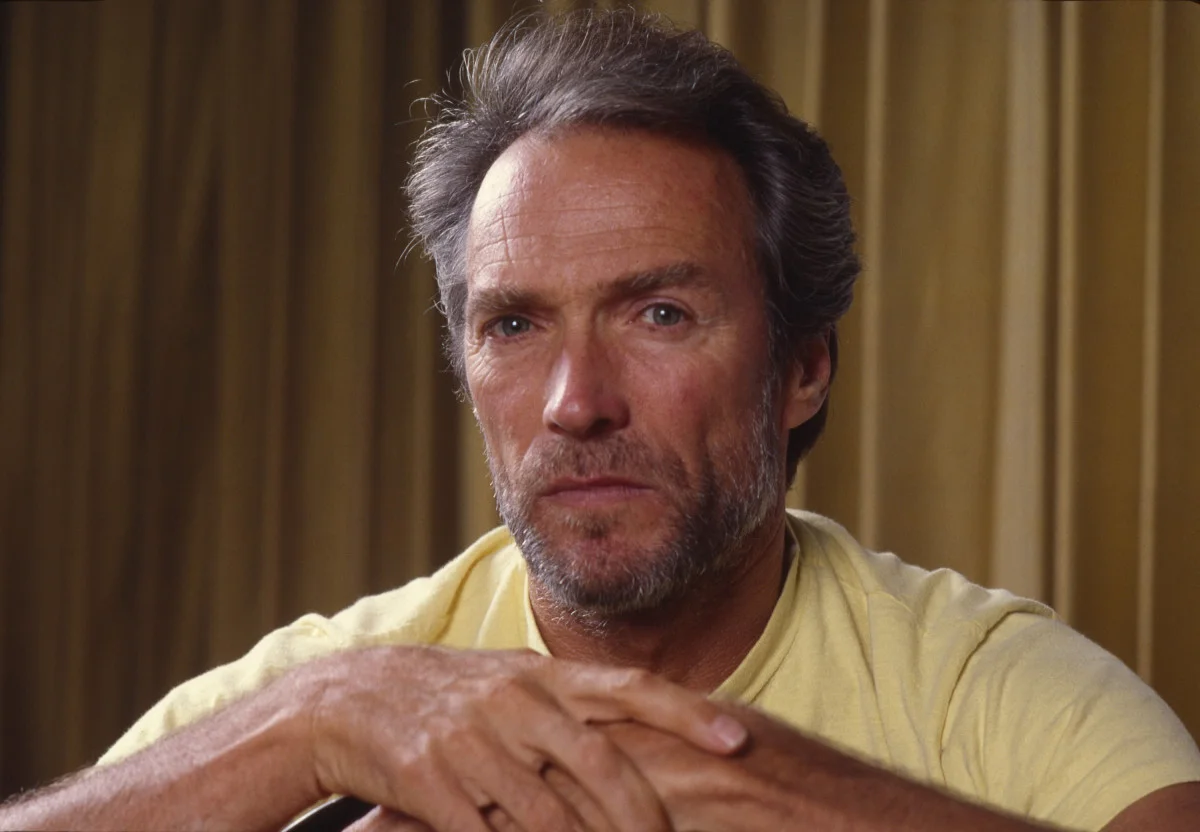
Why Eastwood Declined to Work on Leone’s Later Westerns
The reasons behind Clint Eastwood’s decision to leave Sergio Leone’s Spaghetti Westerns behind are explored in detail in the book Conversations with Clint: Paul Nelson’s Lost Interviews with Clint Eastwood, 1979–1983. Leone personally asked Eastwood to lead his next two Westerns, Once Upon a Time in the West and Duck, You Sucker! Despite the director’s reputation and the critical acclaim for these films, Eastwood was not interested in taking those parts.
“… I felt at the time, after The Good, the Bad and the Ugly, that [Leone] was going in a different direction than I wanted. He wanted to go more into a kind of spectacle thing. I think Leone more envisioned himself as a David Lean à la Italiano, and that’s understandable. He just wanted to make bigger, more elaborate projects.”
—Clint Eastwood, actor/director
Eastwood felt that each successive film under Leone’s direction became less focused on character and more about grandeur and visual spectacle. He acknowledged that he had little regret about stepping away, even though Once Upon a Time in the West is now seen as Leone’s magnum opus. Eastwood recognized that Leone’s ambitions had grown, favoring epic scope reminiscent of directors like David Lean.
Throughout the interview, Eastwood emphasized the decreasing complexity of his roles within the trilogy. He indicated that his acting responsibilities had diminished over the series, resulting in a lack of fulfillment as a performer.
“There was no challenge for me anymore. In The Good, the Bad and the Ugly there certainly wasn’t as much of a challenge as a performer as there was in A Fistful of Dollars or For a Few Dollars More. In each one progressively the impetus became on the production values rather than the story.”
—Clint Eastwood, actor/director
The trend toward spectacle left Eastwood feeling that his craft as an actor was no longer being sufficiently tested. He had found the earliest movies offered more for him to do, and the movement toward larger-scale productions gave less space for nuanced performances.
After declining Leone’s projects, Eastwood also noted that despite newfound fame and recognition in the United States, he was not inundated with promising film offers. Rather than join Once Upon a Time in the West, he accepted the lead in Hang ’Em High—a dark Western about a wrongly accused man who survives a lynching and seeks justice as a Marshal. This became Eastwood’s first lead role in an American film production and cemented his place as a Hollywood leading man.
Plans for Collaboration Were Briefly Revived With Leone’s Unfinished Miniseries
Though Eastwood declined Leone’s classic Westerns, discussions about potential future collaborations did arise. According to The Independent, Sergio Leone was reportedly furious after Eastwood rejected the role in Once Upon a Time in the West, though he remained outwardly composed. Leone ultimately cast Charles Bronson as the enigmatic Harmonica, a part he had envisioned for Eastwood, while the central role in Duck, You Sucker! went to James Coburn after Eastwood’s refusal.
At one point, Leone considered bringing Eastwood back for a Western television miniseries titled Colt. The concept would follow a legendary revolver as it passed between various hands, shaping the destinies of all who possessed it. Eastwood was intended to appear in the opening, portraying a mysterious gunslinger who commissions the revolver’s creation and is quickly killed, setting the series in motion. This cameo would have allowed the two to work together once more, even if only briefly.
Ultimately, creative and personal differences led to estrangement between the two men. Leone reportedly compared Eastwood’s acting ability unfavorably to Robert De Niro, quipping that the difference in Eastwood’s performances was simply “with or without a hat.” Despite the tension, Eastwood and Leone reconciled during a dinner in Rome in 1988, two decades after their last collaboration. By that time, Leone was developing the Colt project, drawing on the talents of Dario Argento and Sergio Donati, among others, but he passed away in 1989 before it could become a reality. Whether Eastwood ever seriously considered the cameo remains uncertain.
Legacy of the Collaboration and Unfulfilled Projects
While the original Colt series did not come to life, there was interest in resurrecting the premise after Leone’s death. Leone’s heirs discussed reviving the project, with Stefano Sollima, director of Sicario: Day of the Soldado, expected to helm at least two episodes. However, reports of progress have been scarce since 2019. Even if such a series is produced in the future, it is unlikely Clint Eastwood would join the cast, thus closing the chapter on any further partnership with the late Italian director.
Clint Eastwood’s decision to turn down Sergio Leone Westerns for lack of challenge shifted his career toward American productions and helped define his legacy as both actor and director. Meanwhile, Leone’s vision of cinematic spectacle reached its peak with Once Upon a Time in the West and was further explored in Duck, You Sucker! The films became important works in film history, despite the absence of their original muse.
The separation between Eastwood and Leone marked a pivotal moment in both their careers. Eastwood’s search for more complex roles led him to pursue riskier and more diverse projects, ultimately winning acclaim for films like Dirty Harry and Unforgiven. Leone, meanwhile, left an indelible mark on Westerns, influencing generations of filmmakers with his unique style and storytelling approach.
Clint Eastwood’s legacy as the “Man with No Name” will always be tied to the Dollars trilogy, while his later choices show how an actor’s need for artistic challenge can change the course of film history. Sergio Leone, through his bold vision and collaborative works, helped transform not just the Western, but the path of one of Hollywood’s greatest icons.
