
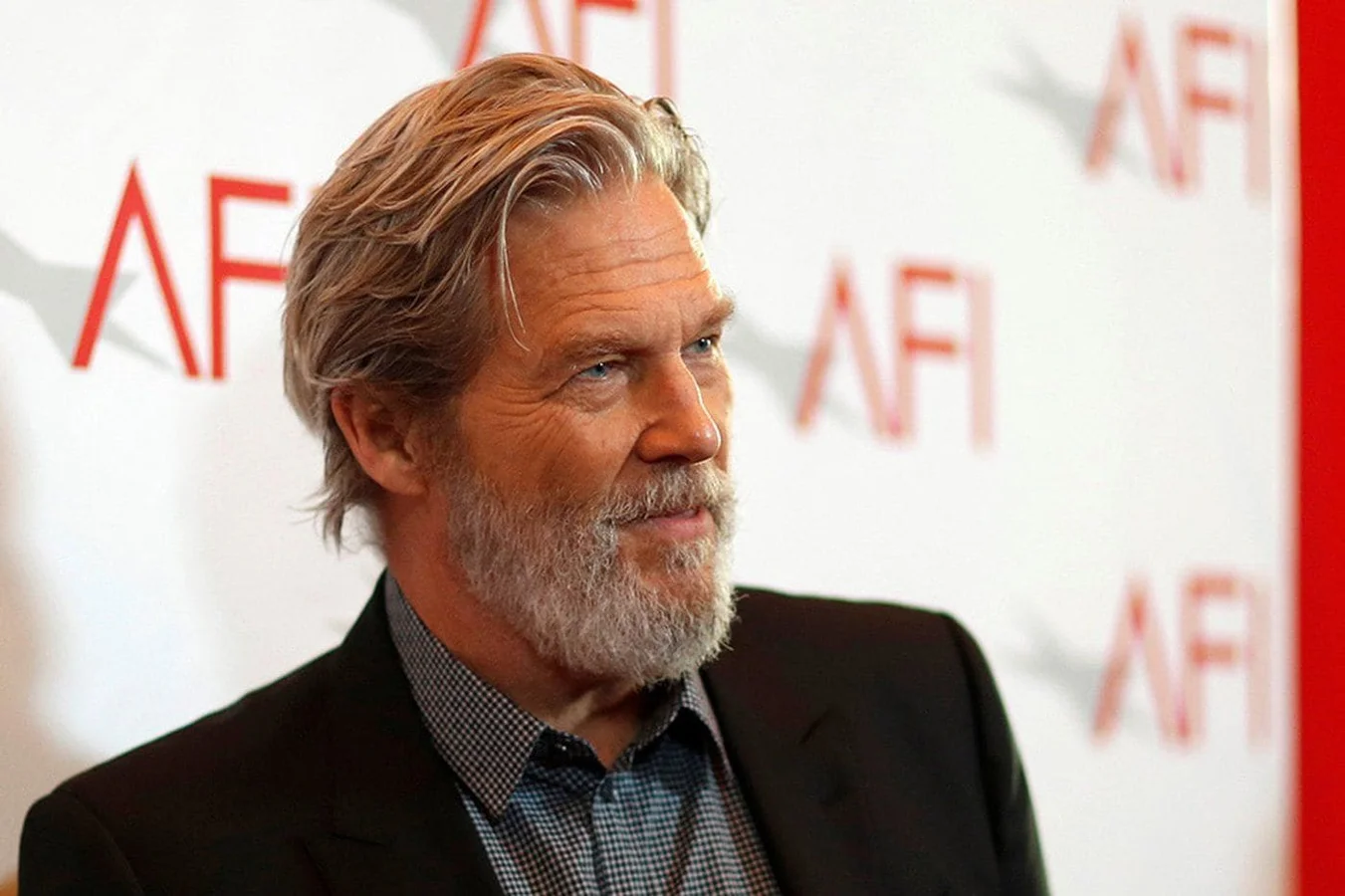
Jeff Bridges in modern Western Hell or High Water continues to define the genre even after a decade, proving that the right cast and story can revitalize classic cinema traditions. Released in the midst of dwindling Westerns, this film offered intense emotion, compelling characters, and a deep exploration of American struggles, marking a significant moment for fans and filmmakers alike.
The Enduring Allure of Westerns in Film
For much of cinematic history, the Western stood out as a reliable and beloved genre, dominating movie theaters and television screens from the late 1930s through the 1960s—a period celebrated as the genre’s Golden Age. Films like John Ford’s The Searchers and Stagecoach, along with Fred Zinnemann’s High Noon and William Wyler’s The Big Country, shaped the essence of the Western. Even after the heyday ended, notable movies still emerged in later decades, such as The Good, the Bad and the Ugly, Butch Cassidy and the Sundance Kid, Little Big Man, The Outlaw Josey Wales, Pale Rider, and Young Guns.
Despite shifts in audience tastes and the explosion of new genres, the Western never completely vanished. Studios became less likely to rely on Westerns as big-budget summer hits, but every now and then, a film would reignite audience excitement for this enduring American mythology. One of the most memorable examples in recent years has been Taylor Sheridan’s Hell or High Water, a film that quickly found its place among the modern classics.
Plot and Character Dynamics in Hell or High Water
Hell or High Water tells the gripping story of two brothers from West Texas—Toby, played by Chris Pine, and Tanner Howard, portrayed by Ben Foster—who embark on a desperate mission to rob several banks to save their family’s ranch. Forced by circumstance and family responsibility, the brothers have already robbed two branches but soon realize that more heists are necessary to secure their future.
Tensions are high and personal differences create friction. Tanner’s impulsive and dangerous demeanor clashes with Toby’s careful and quiet approach—especially since Toby, as a father of two sons, recognizes the risks and the stakes involved. Their pursuits place them squarely in the sights of the determined Texas Rangers, Marcus Hamilton (Jeff Bridges) and Alberto Parker (Gil Birmingham), who are tasked with catching the outlaws before things spiral further.
The tension erupts when the brothers rob a more crowded bank, pressed for time and luck. Their plan unravels as a gunfight ensues; Tanner kills a security guard and an armed civilian, while Toby is wounded by a vigilante posse, not by law enforcement. As the drama escalates, both lawmen and outlaws endure losses in a harrowing final showdown in the desert mountains, culminating in a tense confrontation where words finally replace gunfire, leaving lasting emotional impacts on those who survive.
Why Hell or High Water Redefined the Modern Western
Upon release, Hell or High Water drew widespread acclaim and was nominated for four Academy Awards—including Best Picture, Best Supporting Actor for Jeff Bridges, and Best Original Screenplay for Taylor Sheridan. Sheridan, known for his sharp, character-driven scripts, was celebrated for crafting one of his finest works, placing the film among his most revered creations alongside Sicario and Wind River, which together form his American Frontier Trilogy.
Before building a roster of hit television shows like Yellowstone, Mayor of Kingstown, Tulsa King, Lioness, and Landman, Sheridan’s screenwriting helped propel neo-Westerns to new heights. His focus on authentic characters and contemporary issues reenergized a timeworn genre without losing its edge or emotional resonance. Both Sicario and Wind River, like Hell or High Water, address modern frontiers—whether lawlessness along the border or the struggles on Native American land—showing that Sheridan’s touch brought gravitas and relevance to every story he tackled.
Another key ingredient to the movie’s lasting success was David Mackenzie’s directorial vision. Building on his indie roots after the critically acclaimed Starred Up, Mackenzie blended gritty realism with the grandeur of Western storytelling. He later sought to recapture this format with Chris Pine in Outlaw King on Netflix, but critics widely agree that the magic of their initial collaboration remained unmatched with Hell or High Water.
The Impact of the Cast and Jeff Bridges’ Enduring Legacy
While much of the spotlight deservedly falls on Taylor Sheridan’s screenplay, Hell or High Water owes its depth and humanity to the powerful performances of its lead cast. Chris Pine brought a thoughtful intensity to Toby, emphasizing the burden carried by a father fighting for his children’s future. Ben Foster, often underappreciated, delivered a sharp and unpredictable portrayal of Tanner, creating a dynamic contrast between the two siblings.
At the center of the film is Jeff Bridges as Marcus Hamilton, whose presence alone elevated every scene. The chemistry between Bridges, Pine, and Foster was palpable, particularly in moments where the tension and mutual respect between lawmen and robbers surfaced. In the supporting cast, Gil Birmingham complements Bridges as Alberto Parker, providing additional heart and humor while highlighting the impact of the Texas Rangers’ partnership.
Jeff Bridges’ role stands out as a defining performance in the modern Western canon, earning him another Oscar nomination and cementing his ability to both honor the genre’s traditions and bring them into the present. The genuine rivalry, empathy, and philosophical reflection displayed in the movie’s climactic moments remain some of the best examples of what Westerns can still achieve.
The Lasting Relevance of Hell or High Water in Cinema
Hell or High Water’s critical success is not just rooted in its storytelling, but also in its cultural insight. The film addresses economic hardship, the erosion of rural communities, and the lingering presence of violence in the American landscape—all through the lens of a Western. Sheridan’s writing, alongside Mackenzie’s direction and the cast’s nuanced performances, reminded audiences that the Western is far from obsolete; it has simply evolved to meet the changing realities of the 21st century.
As modern viewers reflect on where the genre stands today, Hell or High Water offers both a tribute to its Golden Age predecessors and a template for future filmmakers who wish to explore complex characters in settings marked by struggle and hope. With Jeff Bridges leading the way, the film continues to captivate audiences, demonstrating that the Western’s spirit endures, adapting to new eras while never losing its emotional force or cultural significance.
