
Martin Scorsese prefers watching movies at home, a shift he attributes to frustration with the current movie theater environment. Legendary filmmaker Scorsese, known for his deep love of cinema, now consciously avoids theaters due to the constant distractions and disruptions he experiences during public screenings.
Disruptions in Theaters Drive Scorsese’s Decision
For many cinema fans, the theater is often described as a sacred place, revered for its communal magic and immersive experience. However, recent years have exposed growing discomfort for moviegoers like Martin Scorsese, who values the integrity of the viewing experience above all. According to film critic Peter Travers, Scorsese has strong words about the deteriorating etiquette in theaters, particularly audiences talking on their phones, taking lengthy snack breaks, and maintaining noise levels that overwhelm the soundtrack and actors’ voices.
“I asked the maestro why he doesn’t see movies in theatres anymore and he went all raging bull about audiences who babble on phones during the movie, leave to order snacks and vats of soda, and keep up a noise level loud enough to drown out the actors.”
—Peter Travers, Film Critic
This candid response reveals Scorsese’s intense disappointment in what he sees as increasing carelessness among theater audiences. Even when Travers challenged him by suggesting that everyone, including themselves, may have behaved similarly in their youth, the director stood firm, highlighting a fundamental difference in how past audiences communicated in theaters.
“‘Come on, Marty,’ I said, ‘we couldn’t keep our mouths shut when we were kids.’”
—Peter Travers, Film Critic
“His [Scorsese’s] eyes darkened. ‘Yeah, maybe,’ he conceded, ‘but when we talked it was always about the movie and the fun we had chewing over the details.’”
—Peter Travers, recounting Martin Scorsese’s response
Changing Public Behavior and the Decline of Theaters
Frustration with disrespectful audience conduct, from late arrivals to phone calls and incessant discussion during films, is now a common theme among both creators and viewers. For Scorsese, these disruptions overshadow any communal benefits of public screenings. The director no longer sees the allure in spending money for an experience so easily derailed by what he and others have described as “shithead public.”
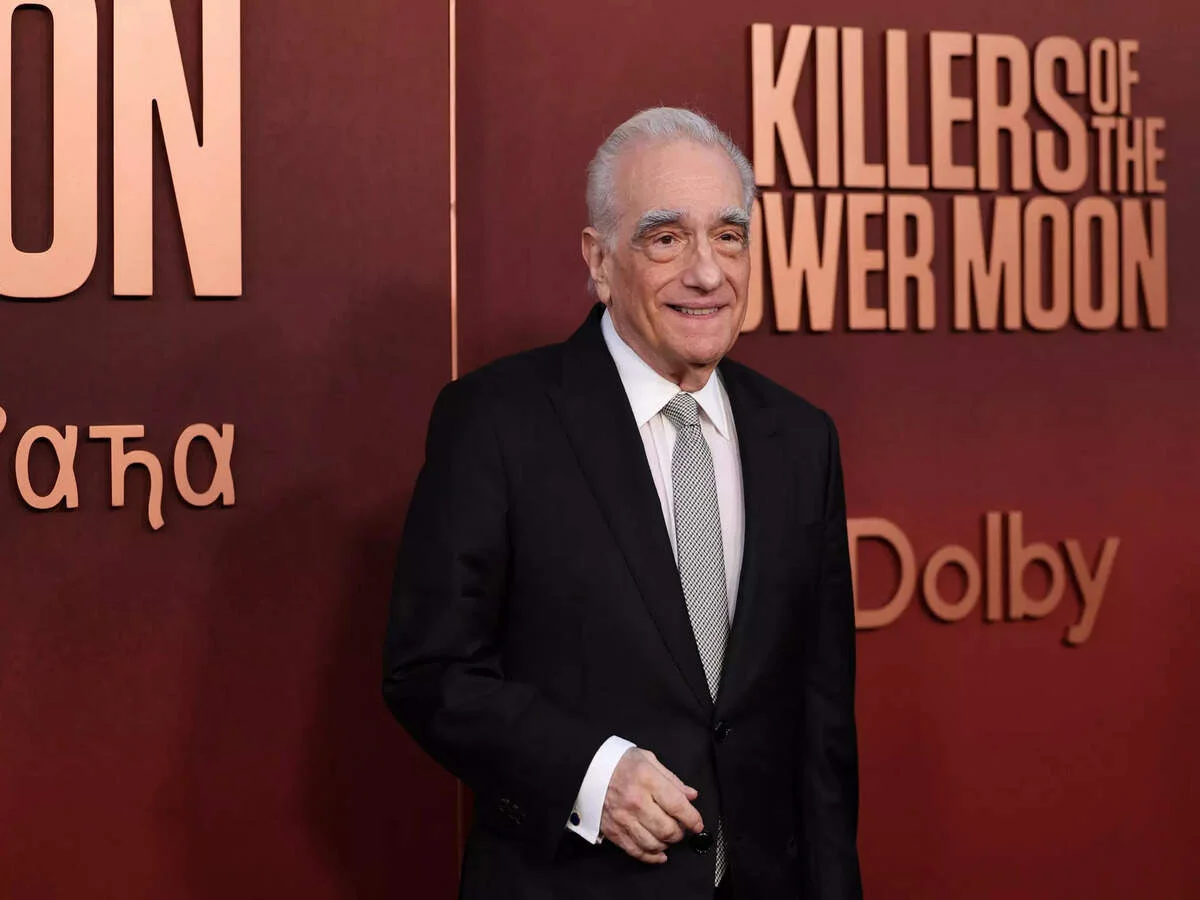
New habits, such as talking back to the screen, have only intensified in recent times, compounding the distractions that trouble even dedicated fans. Some believe usher intervention could offer a solution, but others, echoing Scorsese’s sentiment, argue that this only causes further interruption and lacks the immediate relief of a home pause button.
“Well, ushers should do their jobs.”
—Everyone (received as a catchall retort by the audience)
The Comfort of Home Viewing Wins Out
Given the repeated disappointments, Scorsese and others have found solace in the privacy and control that home viewing provides. Watching films on a personal screen means no interruptions, no noisy crowds, and the luxury of pausing at will—a stark contrast to crowded theaters filled with distractions. Fans can enjoy their favorite snacks, catch every line of dialogue, and truly reflect on the details, an experience Martin Scorsese admits he now fully embraces.
Marty’s journey mirrors a greater shift among movie buffs. The reverence for theaters as “holy places” has eroded, not due to blockbuster franchises or studio competition from Marvel or Disney, but because of unruly audiences and unmanageable disruptions. This trend, now voiced by prominent figures like Scorsese and Peter Travers, is reshaping how both filmmakers and fans engage with cinema.
What This Signals for the Future of Moviegoing
Martin Scorsese’s move away from theaters and his preference for watching movies at home showcases a pivotal change in attitudes toward film consumption. As even the staunchest advocates for traditional theatrical experiences retreat from public screens, the lasting impact of shifting social norms and evolving technology becomes unmistakable. The focus keyword—Martin Scorsese prefers watching movies at home—now reflects a broader industry reckoning, as creators and audiences alike seek sanctuary from distractions, pursuing the pure enjoyment and thoughtful reflection that only personal viewing can provide.
