
Ryan Gosling’s transformation as romantic lead in Crazy Stupid Love marked a significant turning point in his career, stepping into the role of charismatic Jacob Palmer for the 2011 film and embracing a new dimension as a Hollywood romantic icon. Released in 2011 and directed by Glenn Ficarra and John Requa, this movie showcased how Gosling moved from his earlier, more eccentric parts to a standout performance that redefined his on-screen persona and cemented his place among the most memorable leading men in romantic comedies.
A Shift From Dramatic Roles to Leading Man Charm
Prior to Crazy, Stupid, Love, Ryan Gosling was best known for taking on unconventional and emotionally challenging characters, such as in “Lars and the Real Girl” and the poignant drama “Blue Valentine.” While Gosling possessed classic movie star looks, he seemed determined to downplay those qualities, focusing instead on complex, offbeat characters rather than embracing romantic comedy tropes. As a result, audiences often saw his depth and talent overshadow his inherent charm, and Gosling’s appeal was rooted more in his commitment to acting than in traditional leading man aesthetics.
The romantic comedy, written by Dan Fogelman, revolves around Cal Weaver—played by Steve Carell—who is stunned by both his wife Emily’s (Julianne Moore) announcement of her affair with David (Kevin Bacon) and her request for a divorce. As Cal’s life unravels, he even loses touch with his friend Bernie, portrayed by John Carroll Lynch, as relationships shift in the aftermath of his separation from Emily. These changes lead him to the world-weary Jacob Palmer (Gosling), a suave bar regular who reluctantly takes Cal under his wing, determined to help him navigate the dating world after years of marriage.
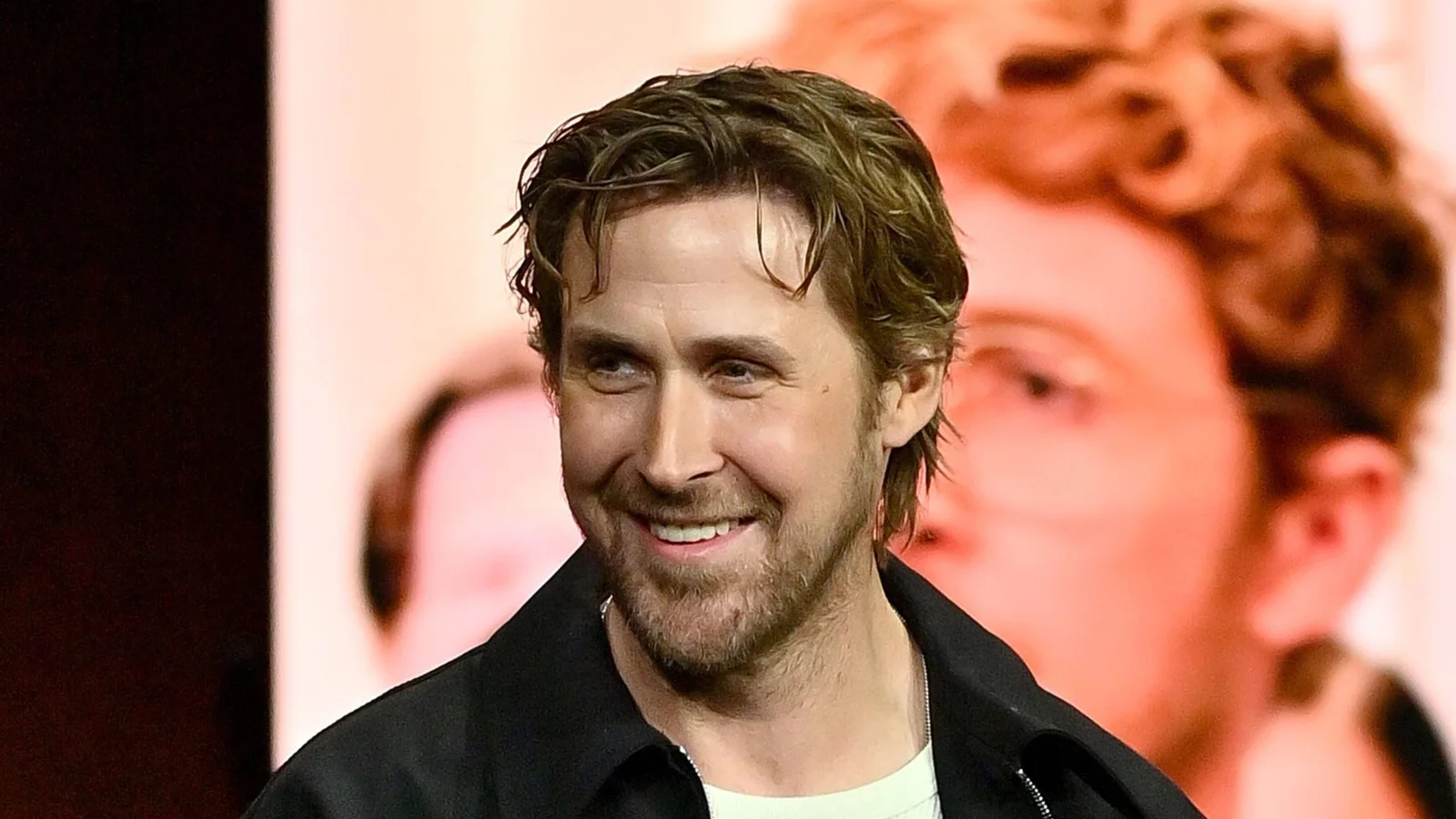
Embodying Confidence and Quirk: Gosling’s Approach to Jacob Palmer
For Gosling, the role of Jacob Palmer was unfamiliar territory. Unlike the sensitive or withdrawn characters he previously portrayed, Jacob is unabashedly confident and knows exactly how to use his good looks and smooth talk to his advantage. Gosling expertly brings out a humorous and almost performative side to Jacob’s character, embracing a surface-level confidence that was absent from his previous roles. While the character leans into the superficiality of his allure, Gosling maintains an undercurrent of self-awareness, delivering a performance that is as nuanced as it is charismatic. As Cal becomes fascinated by Jacob’s bravado, it becomes clear that Jacob represents an ideal that many aspire to, but few can honestly claim.
Jacob’s style and approach are central to his lessons for Cal. Navigating social situations with ease, he displays a savvy understanding of both fashion and flirtation, dramatically transforming Cal’s appearance and confidence. For those familiar with Gosling’s public persona—often humble and somewhat private—his total investment in the slick, outgoing Jacob demonstrates remarkable range and a willingness to subvert personal image for a compelling performance.
This shift in image highlighted Gosling’s versatility, establishing that he was not only capable of heartfelt drama but also of portraying playful, magnetic screen presences. Jacob’s persona is the epitome of Hollywood’s romantic lead, yet it is delivered with a sense of irony and depth that invites the audience to look beyond the surface.
A Complex Romance With Emma Stone’s Hannah Weaver
A pivotal element of the film’s success is the dynamic between Jacob and Hannah Weaver, portrayed by Emma Stone. Hannah is introduced as intelligent and unphased by Jacob’s typical advances. Her grounded personality immediately sets her apart in Jacob’s world. When a particularly rough night leads her to make a spontaneous connection with Jacob, both characters discover unexpected layers in one another. Their chemistry is palpable, and their interactions are filled with moments of honesty, wit, and heart.
As the relationship between Jacob and Hannah develops, Gosling reveals a side to Jacob that is tender, slightly awkward, and genuinely vulnerable. Their evocative “meet-cute” moment hinges on open sharing and raw authenticity, rather than typical romantic comedy posturing. Gosling manages to showcase not only old-school Hollywood glamour but an emotional range that draws viewers into the sincerity of the budding romance.
This connection between Jacob and Hannah enables the film to offer a portrayal of romance that is both heartfelt and layered. Gosling infuses his portrayal with the authenticity needed to convince audiences that Jacob, despite his exterior, is capable of deep love and earnest growth.
Giving Nuanced Depth to a Traditionally Shallow Archetype
One of the standout aspects of Gosling’s transformation is his ability to add complexity to a character that, at first glance, could easily have been dismissed as one-dimensional. Jacob’s earlier womanizer persona is explained through references to his upbringing, specifically his relationship with his parents. His mother’s critical view of his father’s kindness as a weakness has left Jacob hesitant to display vulnerability, especially in romantic contexts. This emotional armor is what makes it easier for Jacob to teach Cal the art of seduction than to openly discuss insecurities.
In taking Cal under his wing, Gosling’s Jacob reveals a protective side, identifying with Cal’s kindhearted nature and desire for connection after being hurt. Though Jacob initially tries to mold Cal into an image of a carefree bachelor, it soon becomes clear that the lessons being given are rooted in Jacob’s own emotional struggles. Through subtle gestures and emotive performances, Gosling draws audiences into the complexities of a man at odds with both his public persona and inner turmoil.
As the film progresses, there is a visible transformation—not just in Cal, who gradually grows more confident, but also in Jacob, who softens under the influence of Hannah’s sincerity. The evolving relationships lead to unexpected complications, including the surprise discovery that Hannah is actually Cal’s daughter, thrusting Jacob into an awkward, yet touching, new reality. Despite these twists, Gosling maintains a sense of authenticity in his performance, navigating comedic chaos with conviction while deepening the bonds between the characters.
Impact on Gosling’s Career and Romantic Comedy Legacy
Crazy, Stupid, Love stands out, not just for its witty script and sharp ensemble (including Steve Carell, Julianne Moore, Emma Stone, Kevin Bacon, John Carroll Lynch, and Gosling himself), but for the way it allowed Ryan Gosling to forge a new identity on screen. The partnership with Emma Stone would later be revisited and built upon in “La La Land,” where their chemistry dazzled audiences once again.
Gosling’s role in this film bridged the gap between his earlier dramatic pursuits and a newfound confidence in lighter, emotionally accessible parts. He proved capable of elevating a romantic comedy archetype with both playful abandon and believable emotional depth, which has left a lasting impression on Hollywood and his own career trajectory. Audiences came away from Crazy, Stupid, Love seeing Gosling not just as a gifted dramatic actor, but as a romantic lead with true range and enduring appeal.
The film’s place in the pantheon of beloved romantic comedies is firmly secured, thanks in large part to Gosling’s memorable and transformative performance. Crazy, Stupid, Love can currently be viewed on Netflix, ensuring that new viewers continue to discover—with each fresh watch—how Gosling’s turn as Jacob Palmer redefined what it means to be a romantic leading man in modern cinema.
