
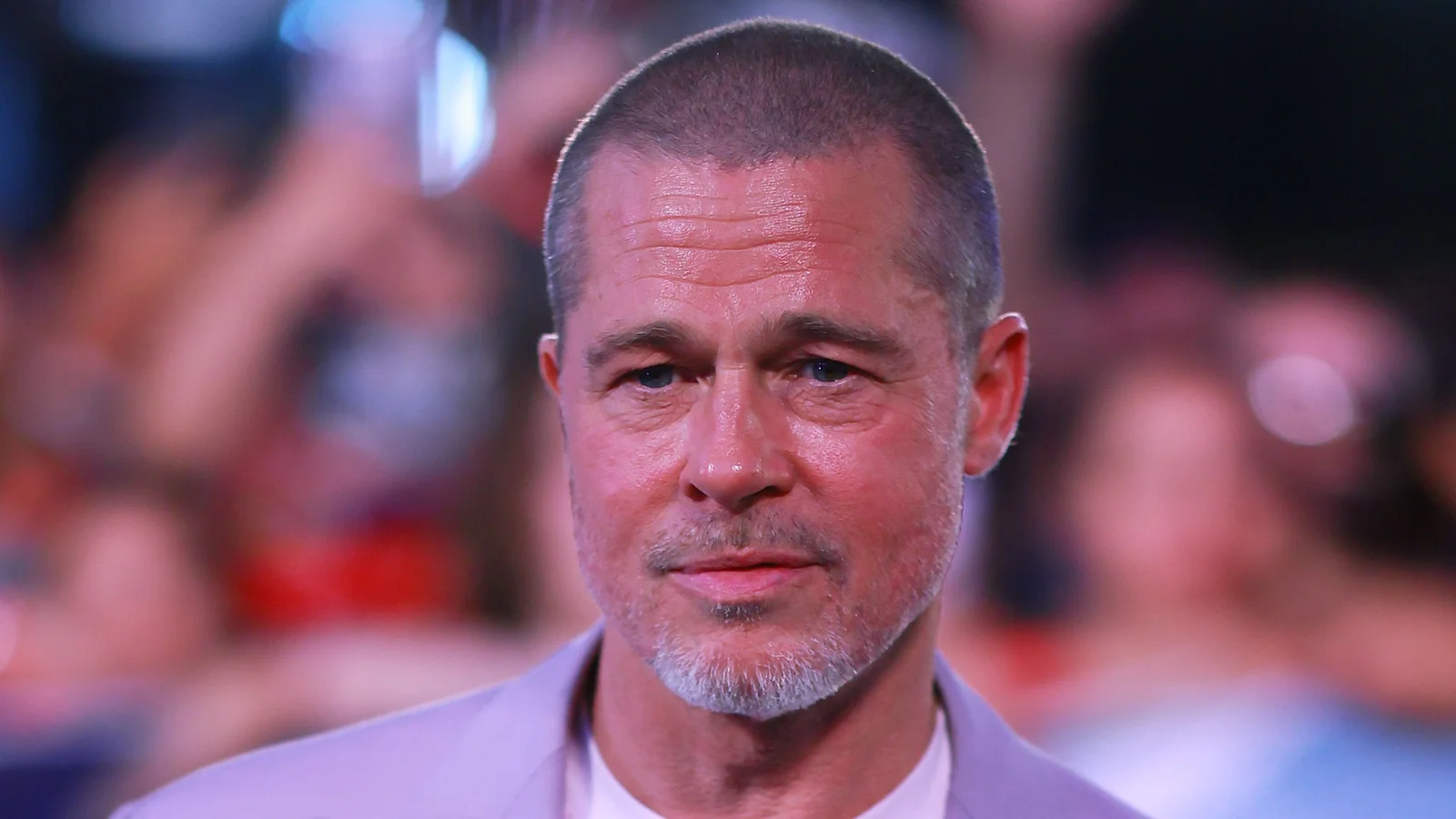
A 2012 Cannes premiere for Brad Pitt’s film has unexpectedly become linked to a pivotal moment in P Diddy’s ongoing federal trial, as testimony from a former assistant suggests an alleged assault involving P Diddy and Cassie Ventura occurred during the event. Although Pitt himself played no part in the controversy, the venue and timing have placed his name within the larger narrative, amplifying public curiosity and intense scrutiny as the trial unfolds in Manhattan.
Testimony Exposes Disturbing Allegations in Court
The recent testimonies in Manhattan federal court have shifted attention to grim details of alleged abuse involving Sean Combs, best known as P Diddy. On June 2, Mia, who worked as Combs’ assistant from 2009 to 2017, testified about her experiences, alleging prolonged threats and multiple assaults by Combs, whom she described as manipulative and controlling.
As the courtroom listened intently, Mia recounted her ongoing struggle during her employment, including her efforts to win Combs’ approval while suffering trauma. Defense attorneys sought to undermine her claims by citing previous favorable texts and social media posts, but Mia held her ground, emphasizing the psychological influence Combs held over her. During questioning, she shared why she concealed her experiences for so long:
I was still deeply ashamed and wanted to die. I didn’t want to tell anybody.
—Mia, Former Assistant
This powerful statement struck a chord, illustrating the deep emotional impact these alleged events had on her, while also highlighting the often-overlooked burden carried by survivors of abuse.
The defense, represented by Brian Steel, pressed Mia to explain the delay in coming forward with her allegations, probing the credibility of her testimony:
Why did it take seven to eight months for you to tell the U.S. Attorney’s Office about Sean Combs supposedly s**ually assaulting you?
—Brian Steel, Defense Attorney
Despite intense questioning, Mia maintained her stance, describing the shame and fear that accompanied her decision to speak publicly. These exchanges highlighted both the challenges facing those who come forward with allegations against powerful figures and the strenuous tactics employed in their cross-examination.
Cannes Film Screening Provides Unintended Backdrop for Altercation
The events that brought Brad Pitt and his Cannes premiere into the discussion surfaced during Mia’s courtroom account. She recalled that during the 2012 premiere of Pitt’s film Killing Them Softly, she witnessed an alarming confrontation between Combs and Cassie Ventura. According to her, Combs became visibly agitated, allegedly digging his nails into Ventura’s arm before instructing her to leave the event, leaving a mark on those who witnessed it.
This testimony underscored the coincidental nature of Brad Pitt’s involvement, clarifying that his only connection stemmed from his film providing the setting and presence for the alleged incident. Pitt’s role remained purely situational, as both the prosecution and defense focused on Combs and Ventura’s private interactions rather than the Hollywood personalities in attendance.
Celebrity Names Entwined, Focus Remains on the Trial
Media fascination grew as Leonardo DiCaprio’s name also appeared in related courtroom texts, described in the context of a high-stakes poker game with Combs. Mia relayed a boastful comment from Combs regarding the outcome:
That ‘Titanic’ [guy] doesn’t know [anything]. He won $10,000, I won $650,000.
—Sean Combs, as relayed by Mia
Despite these Hollywood connections, prosecutors and commentators continue to emphasize that Brad Pitt and Leonardo DiCaprio are not accused of any wrongdoing. Their mentions in testimony illustrate the far-reaching circles of celebrity life, but the courtroom scrutiny remains squarely focused on the allegations against Combs and the experiences of Cassie Ventura and Mia. As the trial proceeds, Combs maintains his plea of not guilty to all charges, including those of sex trafficking, racketeering, and abuse.
Wider Implications as the Trial Advances
While the ongoing case centers on shocking claims of decades-long abuse, the circumstances around the 2012 Cannes premiere have swept prominent figures such as Brad Pitt into public discourse, if only peripherally. The emergence of these stories underscores a broader reckoning for celebrity culture and accountability. With further testimony expected, scrutiny continues to mount, not only on the courtroom’s central figures but also on how power, silence, and notoriety interplay in shaping narratives and justice in the world of entertainment.
