
Clint Eastwood influence on Gorillaz debut single is an intriguing story: although the legendary filmmaker and actor has no direct connection to Gorillaz’s breakout song, the track nonetheless bears his name and became a pivotal moment for the band. The 2001 hit redefined expectations for both the virtual band and music fans, raising questions about how pop culture icons impact artistic choices in unexpected ways.
How Gorillaz Challenged Music Norms with Their Song Title
Traditionally, song names often reflect a track’s chorus or central theme, serving as memorable hooks repeated throughout. Classic examples include Taylor Swift’s “Love Story” and Queen’s “We Will Rock You,” where the song’s title features prominently within the lyrics and forms a recognizable touchpoint for listeners. Even artists known for their experimental approaches usually weave the title somewhere into the music, unless reaching the occasional outlier.
Gorillaz bucked this convention entirely with their debut single, “Clint Eastwood.” The concept of a virtual band was itself radical at the time, conceived by Damon Albarn—also frontman for Blur—and visual artist Jamie Hewlett. Their approach defied mainstream expectations: listeners quickly noticed that “Clint Eastwood” contains no reference to the actor in its lyrics or sound. This choice was unusual, especially for a new group introducing themselves to a broad audience.
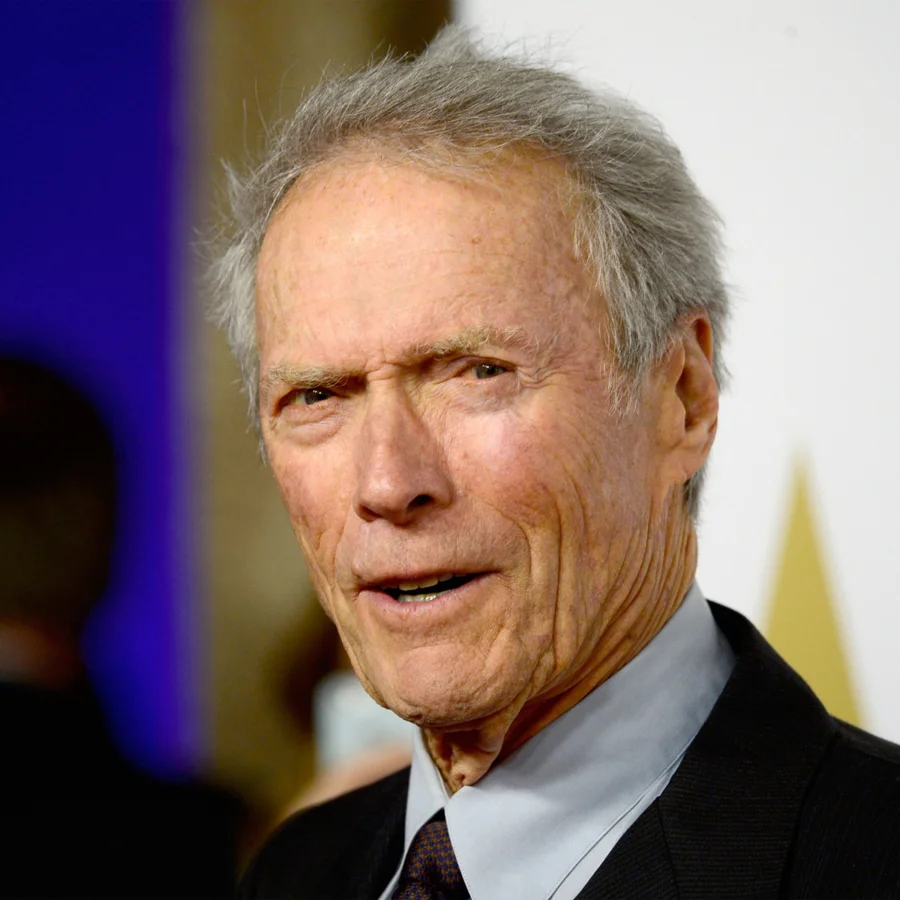
The only faint connection appears to be a subtle musical nod to Ennio Morricone’s themes from
“The Good, the Bad, and the Ugly,”
which feature heavily in Westerns starring Eastwood. Beyond this, the song stands apart: its blend of rap, dub, and alternative rock established Gorillaz’s distinct style. The band later repeated this curious naming practice with tracks such as “Dirty Harry” and “Bill Murray,” crafting song titles that referenced cultural icons without connecting to their personas or work. This irreverent play with expectations became a hallmark of Gorillaz’s creative identity, and highlighted the band’s willingness to subvert boundaries between popular culture and music.
Damon Albarn’s Real Inspiration for the Song’s Name
The origins of the song title “Clint Eastwood” trace back to the eclectic influences that Damon Albarn, the brain behind the Gorillaz, embraced during the recording process. Eastwood, a revered figure in cinema and a double Oscar-winning filmmaker, holds an esteemed place in Hollywood’s history, particularly through his Western films and collaborations with director Sergio Leone and composer Ennio Morricone. While these figures have inspired broad artistic admiration, Albarn’s rationale for the song’s title stemmed from a more personal and situational context.
During a Reddit ‘Ask Me Anything’ session, Albarn clarified his motives:
“We were recording in Jamaica and listening to a lot of dancehall music, and we imagined a cool moniker to have would be Clint Eastwood. Also, I’m a great fan of the actor and of Sergio Leone and Ennio Morricone.”
—Damon Albarn, Creator of Gorillaz
This candid explanation reveals that the title was, above all, the product of an impulse inspired by the environment in which the music was created. Despite Eastwood’s long-lasting influence as a movie star and filmmaker, as well as his connection to iconic Western scores, the song’s actual content and themes are largely unrelated. Albarn’s admiration for Eastwood, combined with a desire to adopt a catchy and memorable name, fueled the song’s unusual moniker.
The Lasting Effect of a Distinctive Choice
The track “Clint Eastwood” reached number four on the British music charts and is widely considered one of the strongest debut singles by any band. Gorillaz’s combination of animated personas, genre-blending production, and unexpected choices, such as naming their song after an actor without direct lyrical relevance, helped them stand out in the crowded music landscape of the early 2000s.
Interestingly, Clint Eastwood himself reportedly remains unaware of the track’s popularity and its abstract connection to his image. For music fans and cultural observers, the story serves as a testament to the unpredictable ways in which inspiration, fandom, and artistic environment can intersect. Gorillaz’s decision to draw inspiration from Eastwood—even if only by name—showcases how modern bands have the freedom to redefine boundaries, turning simple monikers into lasting cultural touchstones that invite both curiosity and conversation.
